2026 liver fluke forecast released
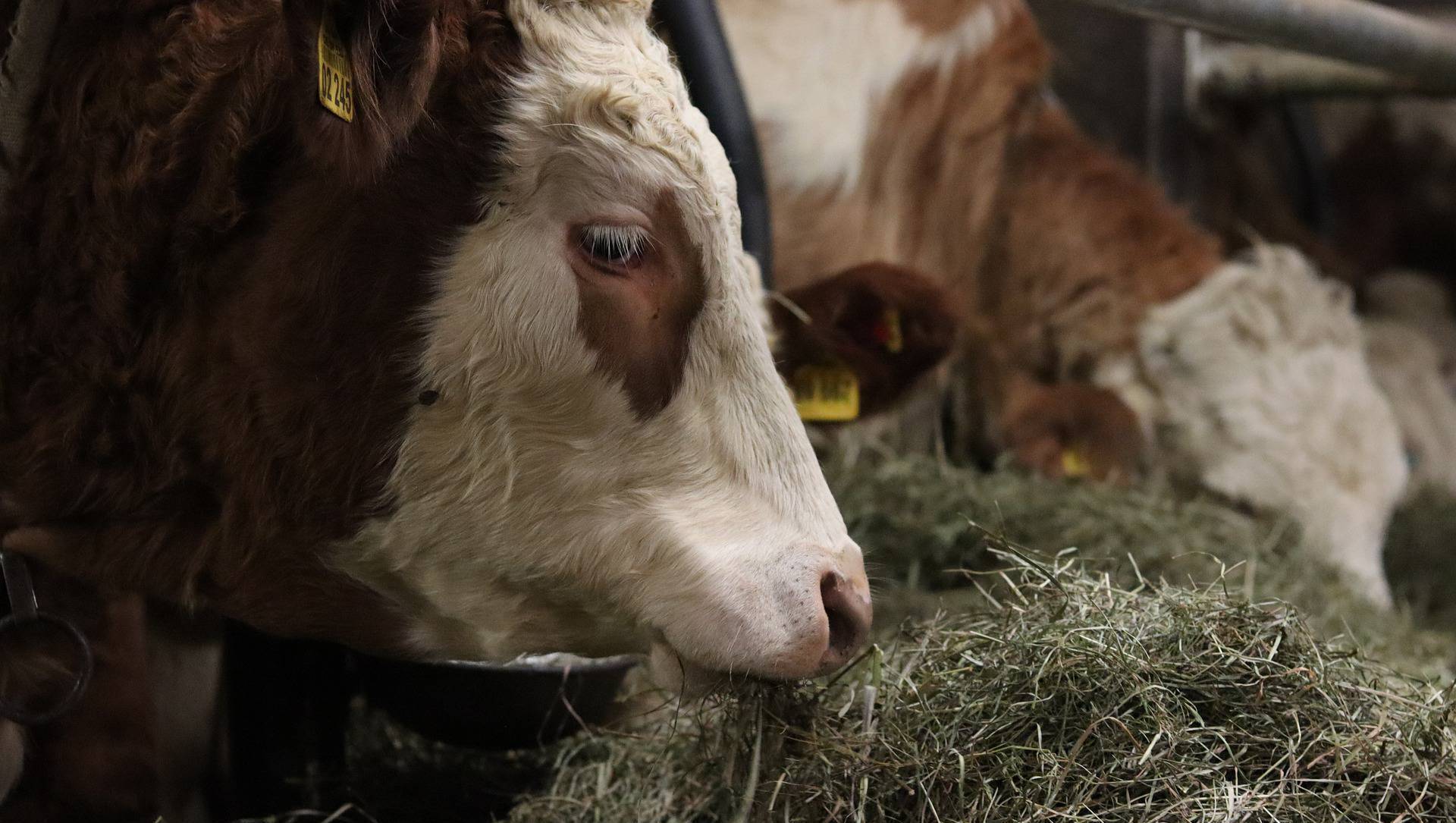
Housing is an ideal time to treat animals for liver fluke.
Based on meteorological data gathered this year, the predicted risk of disease caused by liver fluke infection in livestock for the winter has been released.
The forecast is issued by the Department of Agriculture in collaboration with Met Éireann, UCD, Teagasc, and Animal Health Ireland to advise farmers on the predicted risks of liver fluke.
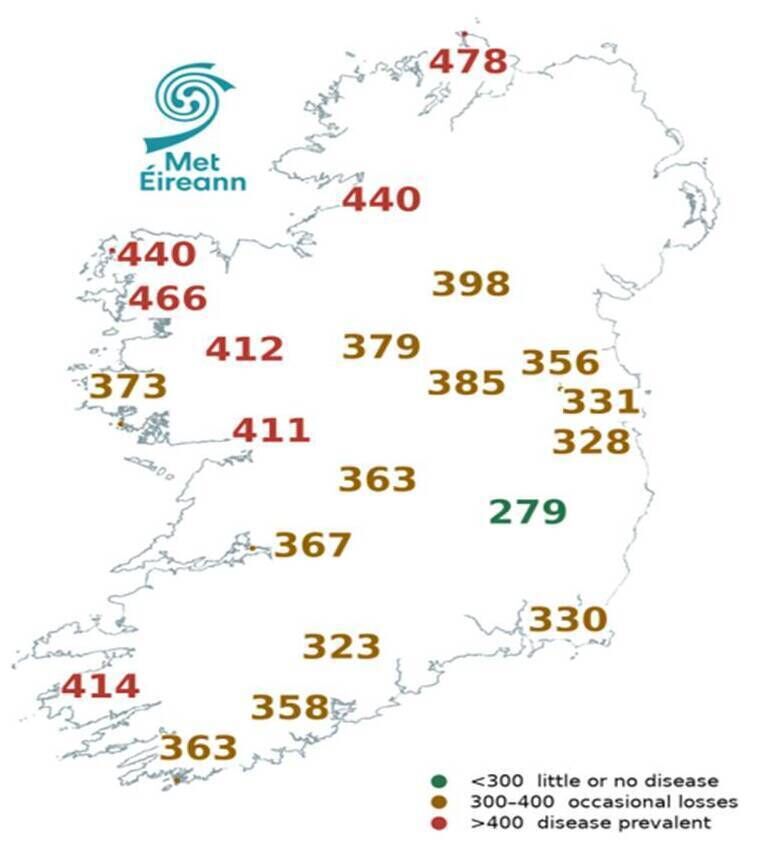
The Ollerenshaw Summer Index 2026 predicts only occasional losses across the country, except along Atlantic coastal counties where the disease is expected to be more prevalent.
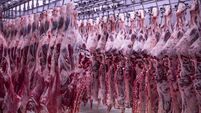
The Beef HealthCheck programme, in partnership with Meat Industry Ireland and meat factories countrywide, collects and reports liver fluke information in cattle at slaughter from participating abattoirs.
Due to this year's abnormally dry weather, liver fluke levels seen in the factories have been lower than previous years.
Read More
To date this year, abattoir examinations reported an average of 33% of herds with at least one animal with liver fluke damage. Active infection in one or more animals was seen in 10% of herds, compared to 13% last year.
Counties in the North-West were more heavily affected, with 60-80% of herds in Sligo, Donegal, Mayo and Roscommon reported to have signs of liver fluke at slaughter. The prevalence within herds is typically low, depending on the farm, with 5% of animals presented to slaughter showing signs of liver fluke damage and 0.9% of animals showing live liver fluke parasites.
It is important for farmers to know whether liver fluke is present on their farm and to treat accordingly to avoid production losses.
The Beef HealthCheck reports can be a useful tool for farmers and are available to farmers on the ICBF website for those who have slaughtered animals at a participating factory since 2016. This online tool has recently been updated to include more information and benchmarking at the national and county levels.
Liver fluke depends on various environmental factors: climate, landform and soil type must be taken into account. This is because the intermediate host of the parasite, which is a mud snail (Galba truncatula), occurs in soil that is slightly acidic and muddy.
Areas with rushes or wet patches are particularly important concerning liver fluke risk as they can help to maintain a population of the infective stage of the parasite. Livestock owners should factor in prior liver fluke history on the farm as this is an important indicator of future disease risks.
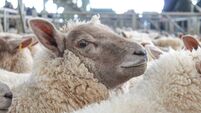
Liver fluke infection tends to be chronic in cattle, resulting in poor growth and poor performance. Though chronic disease can also occur in sheep, infections may also result in more acute clinical signs and sudden death in cases of heavy challenge.
Livestock owners are advised to be vigilant for any signs of illness or ill-thrift in their animals and consult with their vet if they are concerned. In cases where the cause of death is not obvious, it is recommended carcasses be referred by a vet for post-mortem examination.
In areas of high risk and on farms where liver fluke infection has been diagnosed or where there is a prior history, livestock owners should consult with their vet to devise an appropriate control programme.
When using flukicides to control and treat liver fluke infection, cattle should be treated at the time of housing or shortly thereafter, and sheep in autumn or earlier in the year, where indicated by faecal examination results or prior disease history.
For sheep, a treatment against immature and mature flukes should be used to protect against acute disease. In addition, sheep should be moved from affected pasture to prevent re-infection.
Any cattle or sheep that are out-wintered are at risk of further infection post-treatment, and follow-up flukicide treatments may be necessary. This is especially the case if they remain on high-risk pastures.
Veterinary advice should be sought on treatment protocols and on the appropriate interval at which such treatments should be given.
Faecal testing for the presence of liver fluke eggs can help determine both the need for, and success of flukicide treatments. This is especially important given resistance to flukicides is becoming increasingly widespread. Bulk milk testing for liver fluke antibodies is also an option for dairy herds to monitor variation in exposure.