GAA's new licensing process will regulate non-ash hurleys
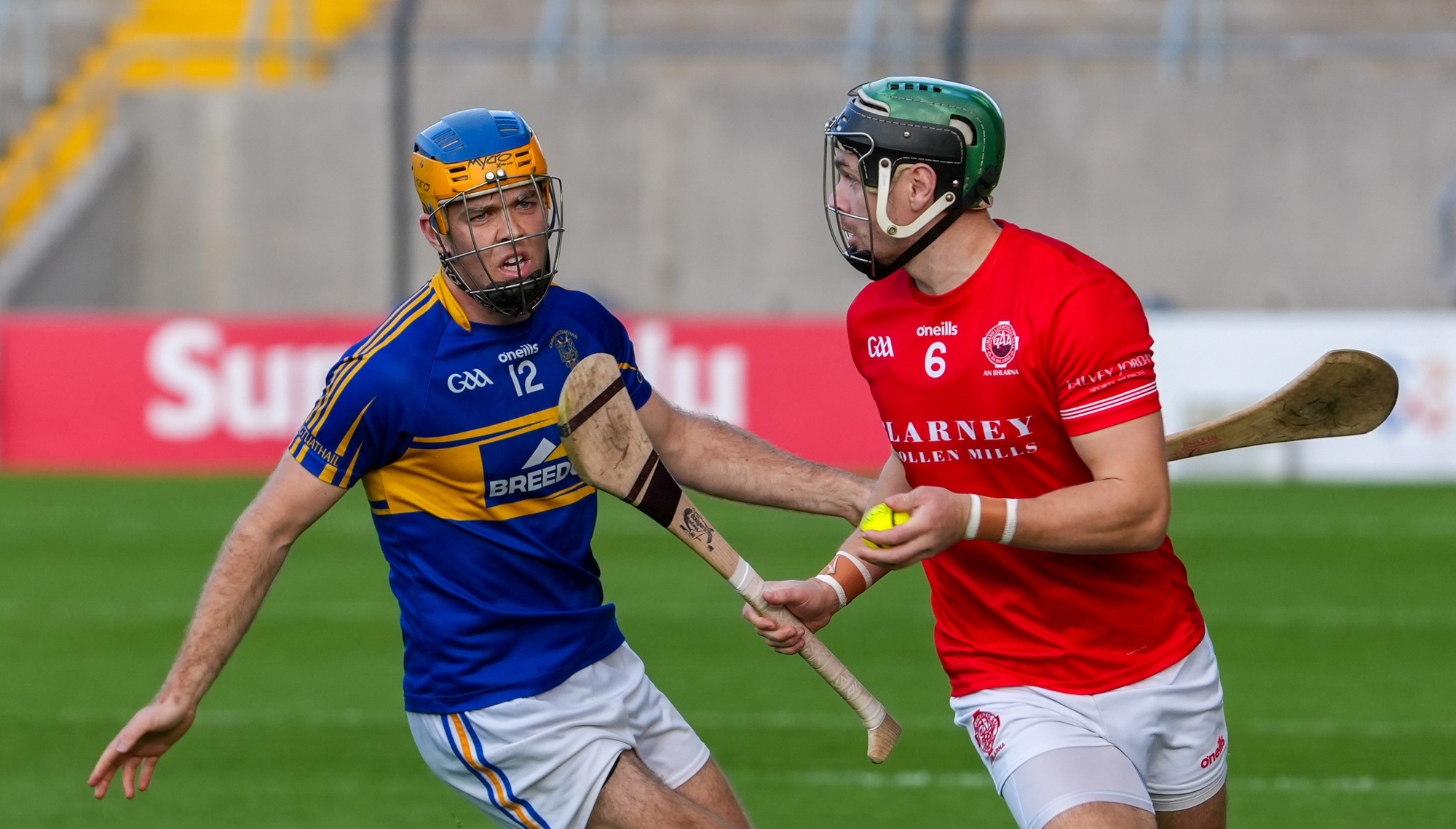
Blarney’s Mark Coleman retains possession as Carrigtwohill’s Cian O’Riordan closes in, using a traditional Fitzgerald hurley from the North Cork company. Picture: Noel Sweeney
The GAA are to introduce a new hurling licensing process to regulate non-ash products.
Following on from similar sliotar and helmet regulatory systems, a company seeking to produce a hurley other than ash will need to have it approved by Croke Park.
The GAA are currently formulating the criteria, which will have to be met by manufacturers if their non-traditional hurleys are to be put into play. The move comes as more companies consider substitutes for ash because of the tree’s dieback disease, possibly beyond the current alternatives of bamboo and carbon fibre composites.
The GAA wants to ensure consistency between the various materials and in conjunction with DCU are reutilising the sliotar projectile rig, which was manufactured on the Dublin campus in 2009.
A robotic system to assess the hurley-to-sliotar impact has been developed whereby the performance of hurleys of different sources can be determined.
The Cúltec hurley was the first synthetic hurley introduced to the market in the late 2000s by Tom Wright and Johnny Grehan. It had been tested and researched going back to 2002 but the GAA had provided no standardised specifications the product had to reach.
Read More
In 2020, Clare firm Torpey launched their bamboo-based product as a sustainable alternative to ash after six years of research in conjunction with Loughborough University in the UK.
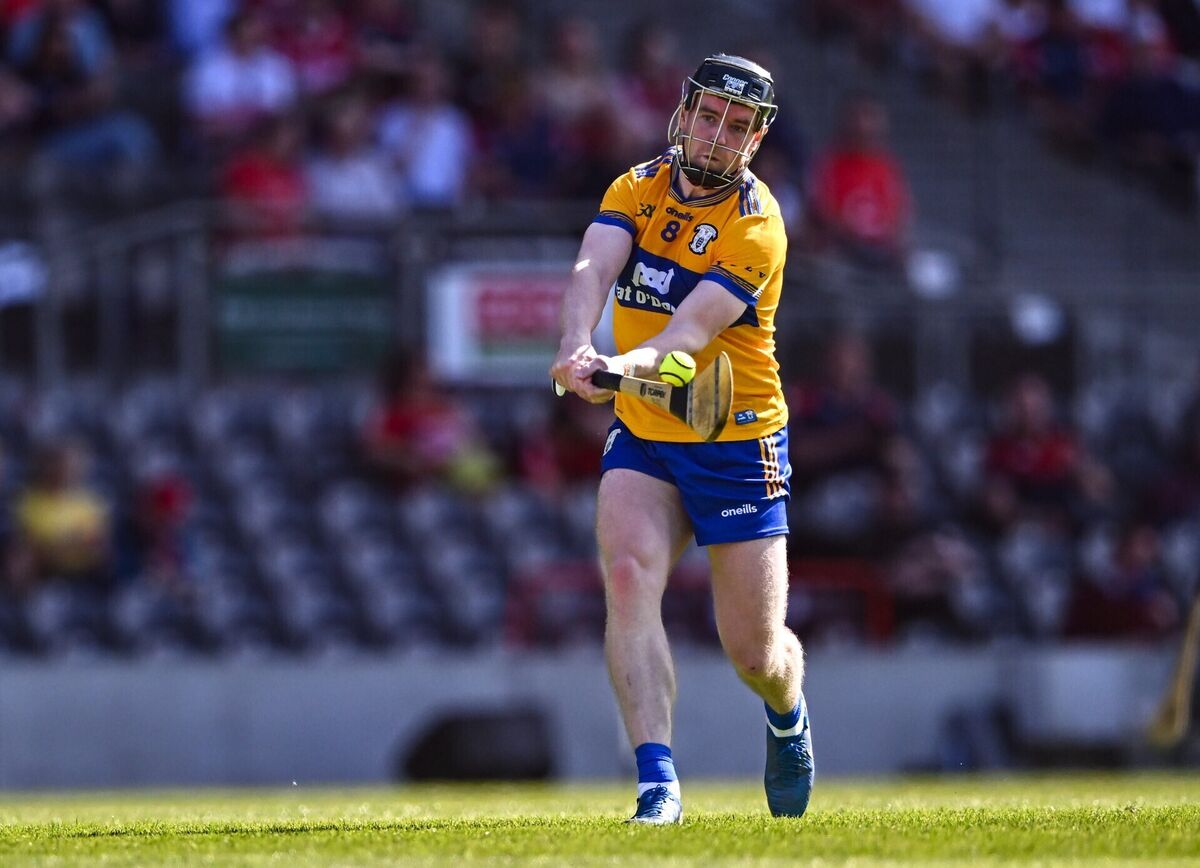
Kilruane MacDonaghs hurler Thomas Clancy (TCX Hurleys) has developed a hybrid hurley, which features a composite shaft and a wooden bas and has been received positively.
Croke Park have been working with the Irish Guild of Hurley Makers throughout the process, which is being overseen by the GAA’s sliotar, hurling and helmet workgroup.
Three years ago, the GAA’s Central Council adopted their new dimensions for hurleys. To catch up with the practice of shortened hurleys and an oversized bas, senior adults hurleys were deemed to be between 30 and 36 inches in length with a maximum bas of 17 centimetres. A goalkeeper’s bas was permitted to be as much as 21cm. Previously, the rulebook stated the bas of a hurley at its widest point shall not be more than 13cm.
There are encouraging signs in Europe that the dieback, first detected in Ireland in 2012, can be combatted. Scientists in England have developed a method of fast-tracking breeding disease-resistant ash trees.
CONNECT WITH US TODAY



Be the first to know the latest news and updates