The 2026 growing season: Fall in yields a taste of the future
Teagasc have urged farmers to exercise caution when comparing crop yields to previous years as low grain moisture content could skew results.
The harsh growing season experienced by tillage farmers in 2026 “will become more frequent in the future”, according to specialists.
The Teagasc 2026 Harvest report shows that cereal production decreased by 11% from 2.162 million tonnes in 2025 to 1.997 million tonnes this year.
The drop puts the 2026 harvest below the five-year average of 2.162 million tonnes, with most notably winter wheat production dropping by approximately 100,000 tonnes, with average yields one t/ha lower than in 2025.
Total tillage area declined by 2.3%, which was supported by increases in winter oilseed rape, beans and maize. Spring bean area rose 17% to 15,700 ha, and winter oilseed rape area rose 59.4% to 18,100 ha.
The report referenced a combination of issues leading to the decline, including a further reduction in cereal area planted, which the Central Statistics Office (CSO) reported was a drop of 6.8%, the equivalent of 18,800ha, and the impact of drought that occurred this summer.
Head of the Teagasc Crops Knowledge Transfer Department, Michael Hennessy, said: “The 2026 growing year will be remembered for a long time by tillage farmers for a variety of different reasons.
Read More
“Record temperatures and an early harvest did make work easier. However, the extreme weather conditions reduced the potential of most crops, which, along with poor market conditions and prices, will have a significant impact on the income of many tillage farms.”
A mild, wet winter and wet early spring conditions increased Barley Yellow Dwarf Virus (BYDV) and take-all pressure in susceptible crops while delaying fieldwork and sowing.
Teagasc tillage crops specialist, Ciaran Collins, said: “While crops in the south were not as severely affected, crops like winter barley did not fulfil their potential, due to wet conditions over the winter months.
Teagasc highlighted significantly higher temperatures in May, June, and July as major factors in the yield drop.
Although the drought peaked in August, most crops had already been harvested by then as the hot weather brought harvests forward by two to three weeks for many growers, so it was not the main cause of the lower yields.
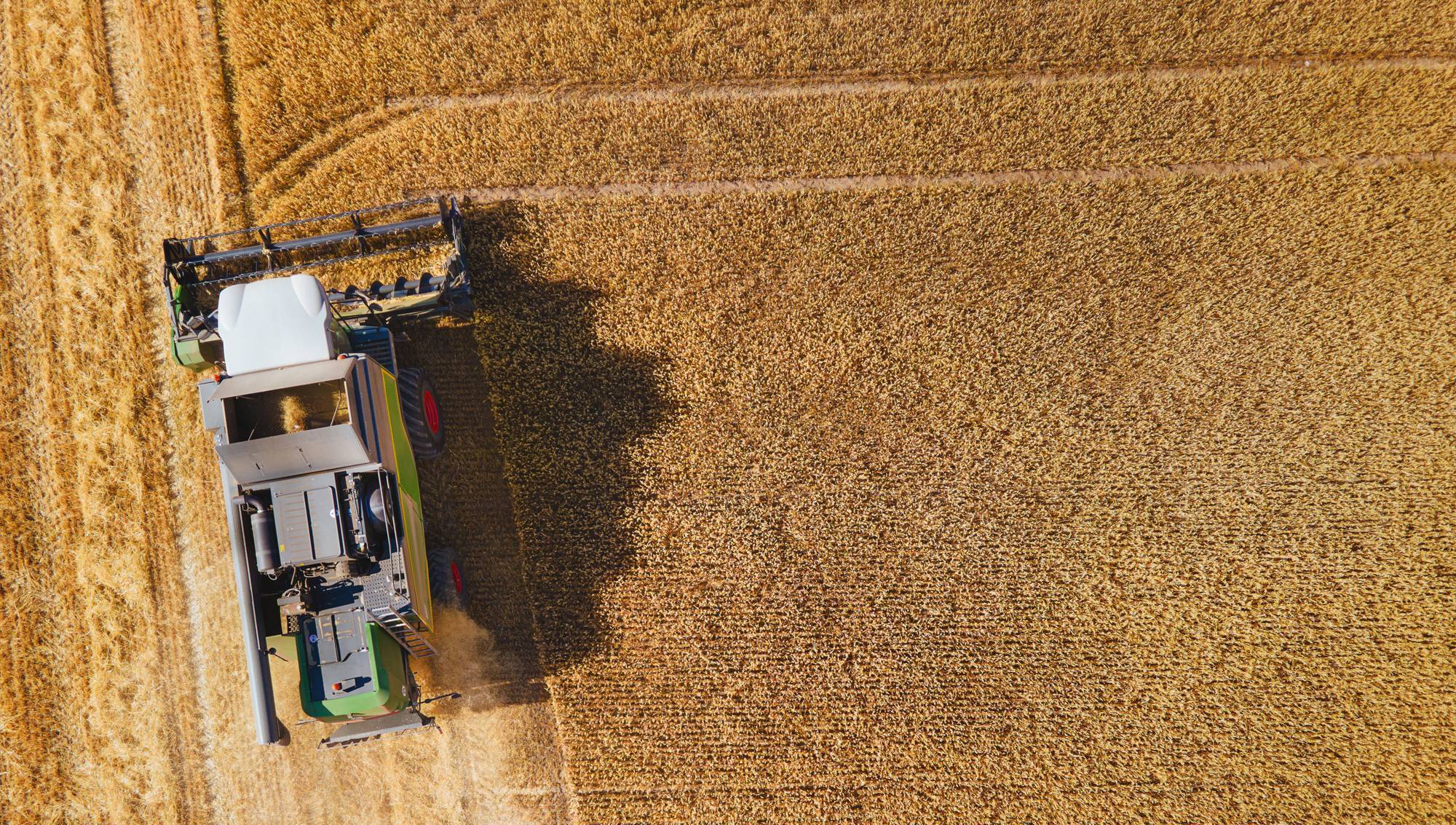
Harvesting conditions, for the most part, were ideal, with grain moisture levels well below 20% and most of the straw could be baled directly behind the combines with little or no handling. Extended periods of dry weather reduced workload and cost as little grain had to be dried.
Due to the low grain moisture content of this year's harvest, particularly in winter and spring barley, yields should be interpreted with caution when comparing with previous harvests.
Yields were below five-year averages for all crops except winter oilseed rape, which yielded 5.1t/ha. Winter barley showed the greatest yield variation, from below seven to 11t/ha.
Some areas of the country were more affected than others, with the Midlands and the south-east, on light soils, suffering the most, whereas the north-east, on the heavier soils, was less affected.
In the north-west, particularly Donegal, there were no drought-like conditions, with adequate rainfall throughout the summer months. They did suffer from frequent rainfall events in August and September, which made harvesting crops quite difficult.
The report highlighted that potato crops suffered considerably, particularly in the worst affected areas. Access to adequate water sources did help growers in those affected areas to irrigate some crops and mitigate the extreme heat and subsequent drought.
When the rain did arrive, crops did recover; however, with the increased growth came a subsequent reduction in dry matter levels and maturity, meaning that some crops were harvested late.
Teagasc potato crop specialist, Shay Phelan, said: “Having access to an adequate supply of water and adequate capacity are becoming key to producing crops, especially for the pre-pack and salad potato markets. Crops that did not have enough of either did suffer from both yield and quality issues.”