Ask a solicitor: I worked the farm on a promise I would inherit it — do I have any rights?
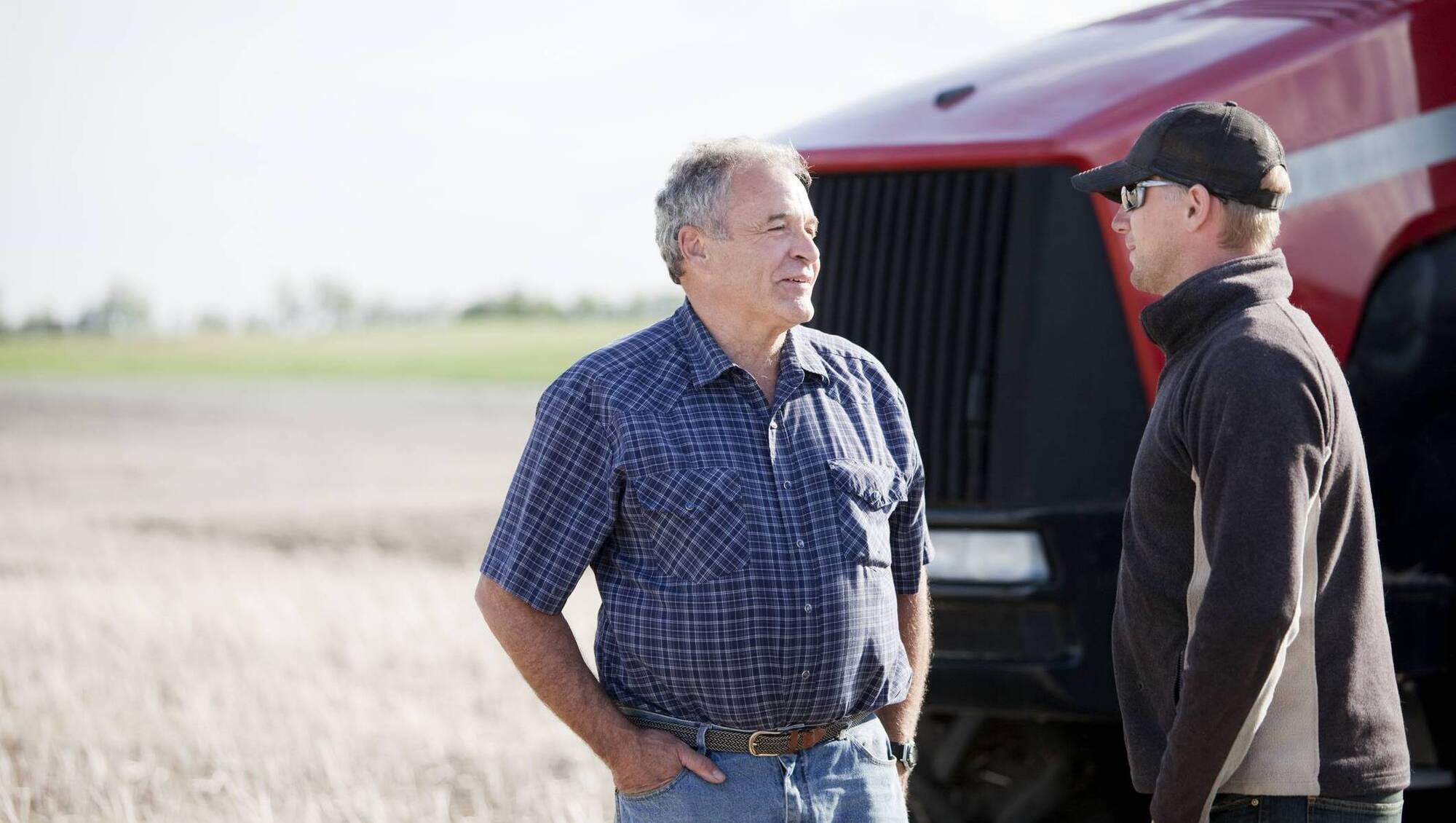
While farming succession disputes can be deeply personal, the law recognises that, in certain circumstances, it may be unfair for promises that have been relied upon for many years to be disregarded entirely.
Dear Reader,
Disputes of this nature are becoming increasingly common within farming families and are often among the most difficult and emotional cases to resolve. Farming businesses are unique in that family members frequently contribute years of labour and commitment on the understanding that they will ultimately inherit or acquire the farm.
In certain circumstances, a legal principle known as proprietary estoppel may arise. In simple terms, this can occur where one person makes a promise or assurance concerning property, another person relies upon that promise and, as a result, suffers a detriment or changes their position.
In a farming context, the classic example is where a son or daughter remains working on the family farm for many years because they have been given repeated assurances that they will inherit the farm in due course.
However, not every family discussion or casual remark will give rise to a legal claim. The courts will typically look for evidence that a clear assurance was given, that the person relied on that assurance and that they acted to their detriment as a result.
Examples of detriment may include working long hours for little reward, passing up alternative career opportunities, investing money or effort in improving the farm or structuring one’s life around the expectation of future ownership.
These cases are often heavily dependent on evidence. Witnesses may be asked to give evidence about conversations that took place many years earlier. Financial records, correspondence, tax returns, employment history and evidence of improvements carried out to the farm can all become relevant.
One of the difficulties in farming families is that formal agreements are often absent. Arrangements tend to develop over decades based on trust rather than written contracts. While this can make claims more challenging to prove, it does not necessarily prevent a claim from succeeding where sufficient evidence exists.
The outcome of a successful claim can vary considerably. In some cases, the court may award an interest in the farm. In others, financial compensation may be awarded where that is considered more appropriate. The court will generally seek to achieve a fair outcome based on the promises made and the detriment suffered.
From a practical perspective, disputes of this kind are often best addressed as early as possible. Open discussions within the family can sometimes resolve misunderstandings before relationships become irreparably damaged. Succession planning, proper wills and written agreements can avoid uncertainty and reduce the likelihood of disputes arising in the future.
For farm owners, the lesson is to be careful about promises made regarding future ownership of land. For family members working on a farm, it is important not to assume that verbal assurances will automatically be honoured without difficulty.
Where substantial promises have been made and significant life decisions have been taken in reliance upon them, it is advisable to obtain legal advice at an early stage. These cases are highly fact-specific and depend heavily on the individual circumstances involved.
While farming succession disputes can be deeply personal, the law recognises that, in certain circumstances, it may be unfair for promises that have been relied upon for many years to be disregarded entirely. A careful review of the facts is therefore essential in determining whether a claim may exist.
Email: info@walshandpartners.ie
- While every effort is taken to ensure the accuracy of the information contained in this article, Karen Walsh does not accept responsibility for errors or omissions howsoever arising. Readers should seek legal advice in relation to their particular circumstances at the earliest opportunity.