Bill targets forestry risks to power lines
However, IFA farm forestry chair Padraig Stapleton said forest landowners had very significant concerns about the proposed legislation and its potential impact on the forestry sector.
As the country faces the prospect of more severe winter storms, the Government has taken steps to protect almost 4,000km of the electricity network that runs through or alongside forestry.
Recent storms have shown the damage severe weather can cause to forestry and power lines, and the impact on homes, businesses, farms, public services and communities.
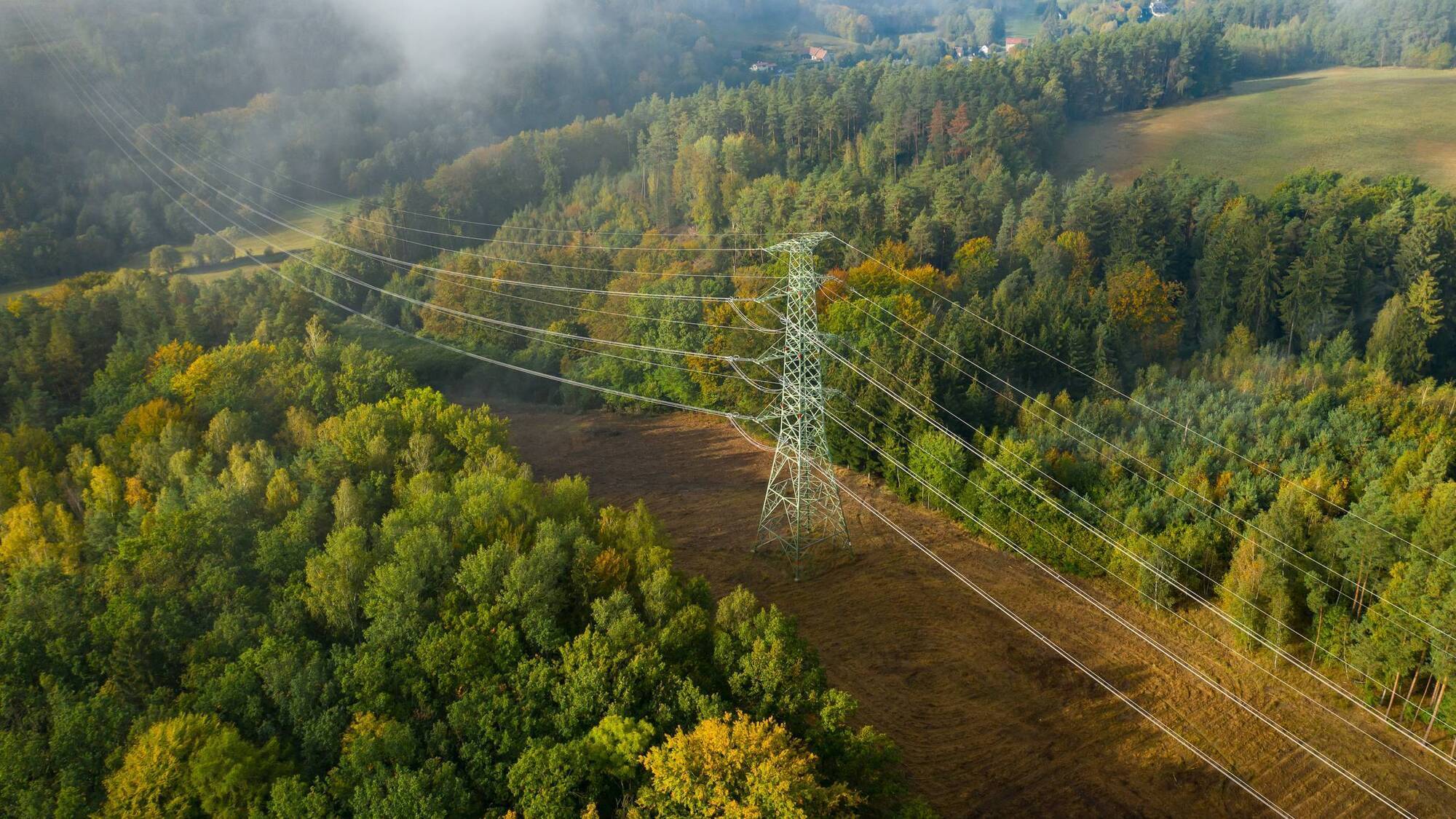
Ensuring that strips of land known as ‘forestry corridors’ are managed and kept free of trees and vegetation alongside ESB power lines is seen as one measure to prevent damage to the grid during severe weather.
The minister for climate, energy and environment Darragh O'Brien said the revised heads of the Electricity (Supply) (Amendment) Bill 2026 will establish a modern statutory framework to strengthen the resilience of Ireland's electricity network.
The legislation will strengthen ESB Networks' powers to address identified risks, manage vegetation- and forestry-related risks to critical infrastructure, and restore supply following severe weather events and other emergencies.
It forms a key part of the Government's response to the lessons of Storm Éowyn and the increased frequency and severity of other severe weather events.
Read More
ESB Networks' €74.5m Winter Resilience Programme has surveyed and assessed infrastructure in forestry areas since Storm Éowyn.
It has addressed more than 12,000 damaged and diseased hedgerow trees, engaged with more than 1,800 forestry owners and secured voluntary agreements to address forestry and vegetation risks along more than 40km of priority electricity network infrastructure.
This work has informed the identification of priority locations for further resilience measures and the development of a longer-term, multi-annual programme.
Minister O'Brien said the legislation is about learning the lessons from Storm Éowyn and putting in place the tools needed to strengthen the electricity network.
“This long-term programme will strengthen the network's ability to withstand, respond to and recover from severe weather events, helping to ensure a reliable supply of electricity for customers across the country,” he said.
Storm Éowyn left 768,000 customers without power, highlighting the vulnerability of parts of the network to vegetation and forestry-related damage.
The revised bill has been informed by engagement with Government Departments, ESB Networks, the Office of the Attorney General, Coillte and forestry stakeholders.
As a result, the original corridor-clearance concept has evolved into a more targeted and proportionate risk-based resilience framework.
The legislation will strengthen emergency restoration powers to support the timely and safe restoration of electricity supply. It will also allow ESB Networks to manage vegetation where there is an actual or reasonably foreseeable risk to the network, and establish a statutory framework for forestry corridors comprising electricity safety corridors and forestry resilience zones.
It will provide enhanced powers for inspection, assessment and resilience-related maintenance activities.
The legislation will integrate electricity network resilience considerations into future afforestation, re-afforestation and re-planting decisions, and establish a statutory compensation framework for landowners.
The bill complements the wider programme of resilience measures funded through the Commission for Regulation of Utilities' Price Review 6.
This provides for €13.8bn to €18.9bn of investment across the electricity system, including about €890m for storm resilience and climate adaptation. Once enacted, ESB Networks will incorporate the requirements into its longer-term operational and resilience planning.
However, IFA farm forestry chair Padraig Stapleton said forest landowners had very significant concerns about the proposed legislation and its potential impact on the forestry sector.
He said forest owners understood the need for properly maintained forestry corridors along electricity lines to protect supply. However, landowner rights and the forestry sector must be to the fore, fully engaged and protected in the legislation.
Mr Stapleton said landowners and foresters were extremely concerned and annoyed with the way ESB Networks is currently clear-felling some new, wider corridors under power lines.
Forest landowners are entitled to a proper statutory compensation framework covering all aspects of their losses.
He said the IFA recently met with senior department officials and highlighted concerns around widening corridors, maintenance, removing the Forestry Green Edge, windblow and disease outbreaks.
“The IFA insisted that the interests of forest landowners must be properly protected and fully compensated in any new legislation,” he said.

Check out the Irish Examiner's WEATHER CENTRE for regularly updated short and long range forecasts wherever you are.