My father died without a will — what happens to the farm?
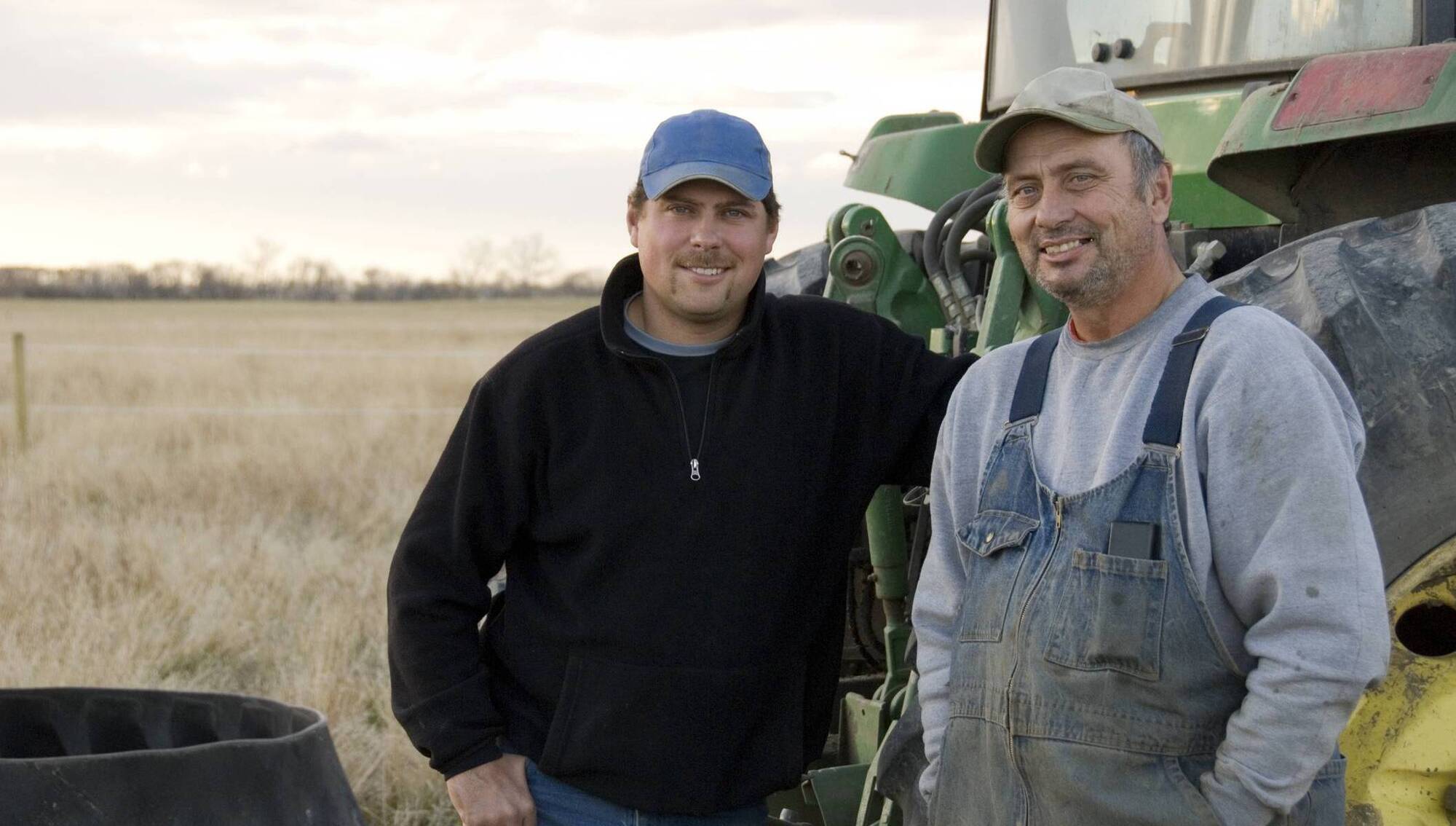
The real lesson from situations such as this is the importance of succession planning and making a will. A properly drafted will can avoid uncertainty, reduce the scope for family disputes and ensure a farmer’s wishes are clearly recorded. Picture: iStock
Dear Reader,
This is one of the most difficult situations that can arise in a farming family and, unfortunately, it is becoming increasingly common. The starting point is where a person dies without a valid will, their estate is distributed in accordance with the rules of intestacy, regardless of what family members may have expected.
The legal position will depend on a number of factors, including whether your father was survived by a spouse, the value and nature of the assets involved, and how ownership of the farm was structured.
That can come as a shock to farming families. Many parents assume that because everyone knows which child has been farming the land, matters will somehow work themselves out after their death. Unfortunately, that is not always the case.
Read More
The fact you worked on the farm for more than 20 years may nevertheless be highly relevant. If assurances were made to you over the years you would inherit the farm and you relied on those assurances when making important life decisions, it may be appropriate to explore whether you have a potential claim based on proprietary estoppel or another equitable remedy.
Such claims are highly fact-specific. The court may consider questions such as whether promises were made, whether you relied upon them, whether you worked on the farm for reduced financial reward compared to opportunities elsewhere, and whether you suffered a detriment by committing your working life to the farming enterprise.
However, it is equally important to understand there is no automatic rule that the child who worked the farm should inherit it. While many people would view that as the fairest outcome, the legal position depends on the circumstances and the evidence available.
Where disputes arise, the courts will often be required to balance the interests of all family members. In some cases, a settlement can be reached which allows the farming child to retain the farm while compensating other beneficiaries from other assets or by way of agreed financial arrangements. Every case is different.
The real lesson from situations such as this is the importance of succession planning and making a will. A properly drafted will can avoid uncertainty, reduce the scope for family disputes and ensure a farmer’s wishes are clearly recorded.
If you find yourself in this position, it is important to seek legal advice as early as possible. Do not assume either side is automatically correct. The strength of any claim will depend upon the facts, the evidence available and the precise circumstances of the family.
While the law will not always produce the result family members consider to be morally fair, it does recognise long-term contributions to a farming enterprise and reliance on promises made over many years can, in appropriate circumstances, be highly significant.
Obtaining early advice can help clarify your position and assist in finding a practical resolution before family relationships deteriorate further.
Email: info@walshandpartners.ie
- While every effort is taken to ensure the accuracy of the information contained in this article, solicitor Alex Krupa does not accept responsibility for errors or omissions, howsoever arising. Readers should seek legal advice in relation to their particular circumstances at the earliest opportunity.