Mary Teehan: The bioeconomy is having its moment — now it needs to come full circle
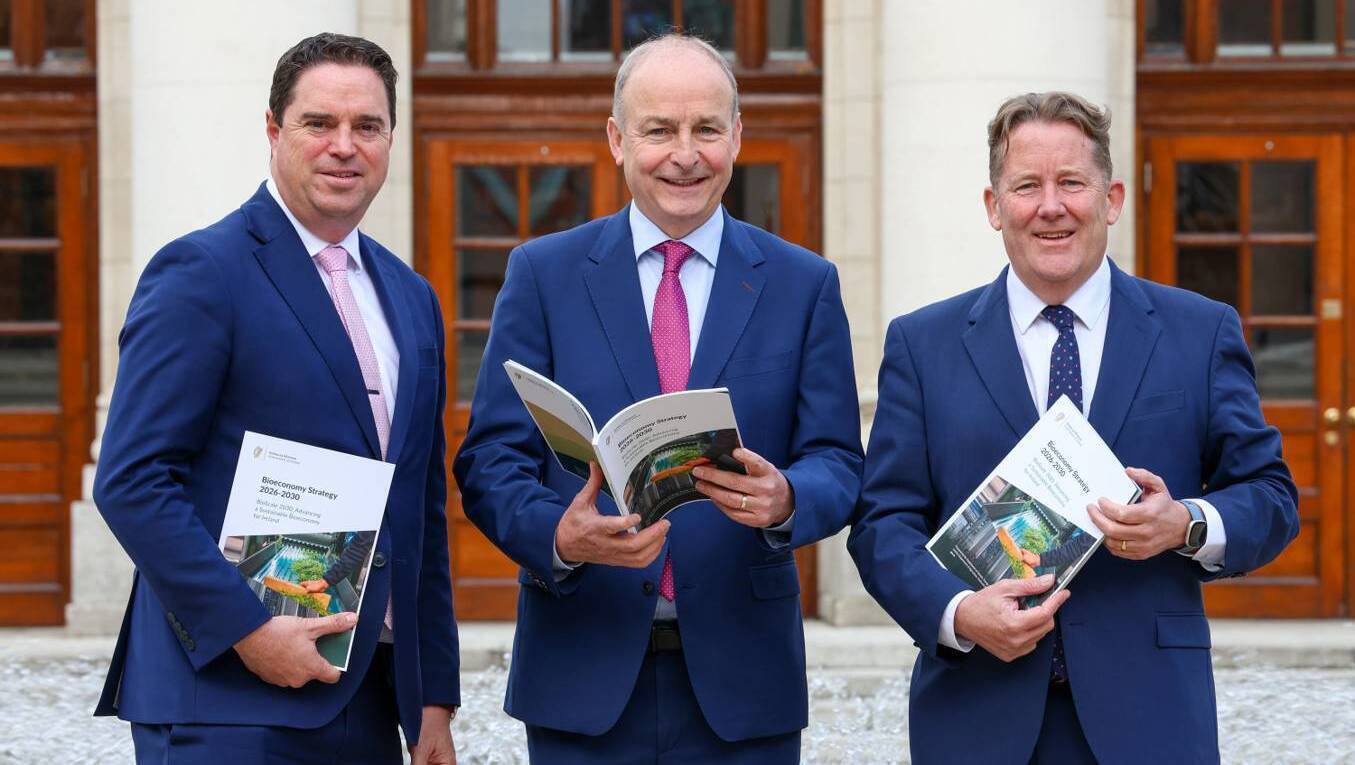
Last month, agriculture minister Martin Heydon, Taoiseach Micheál Martin, and environment minister Darragh O’Brien launched BioScale 2030: Ireland’s National Bioeconomy Strategy 2026-2030.

Sunday’s roast chicken was never just one meal: The meat was also Monday’s sandwiches, the bones Tuesday’s soup and stock, and the peelings for the hens. Nobody called it circularity. It was just good sense.
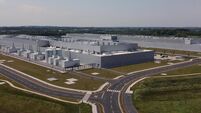
More than 1,500 delegates from 65 countries came to Dublin for the Global Bioeconomy Summit last month. The Taoiseach launched BioScale 2030, Ireland’s first bioeconomy strategy, and the EU launched the Biobased Europe Alliance, to have €10bn in buyer commitments by 2030. The bioeconomy is having its moment. But who gets fed?
Ireland’s bioeconomy employs 200,000 people, creating €118,000 in value each on average, against an EU average of €51,000. But much of that is from pharmaceuticals — the EU counts medicines made by living things as ‘bio-based’. These are biologics: Vaccines and antibody medicines for cancer and autoimmune diseases.
Ireland has 25 large-scale biologics plants, and in 2015 bio-based pharma was valued at €784,000 per worker. EU farming averages €22,000 per worker. It’s as if the chef earns the money while the farmer gets the giblets.
And the farmer is getting older: 38% of Irish farm holders are 65 or over; only 4% are under 35. New income streams could give young people a reason to stay, but the larder is full.
Ireland has 49m tonnes of solid biomass. Grass alone is 18.4m tonnes, while 800,000 cubic metres of forest residue goes unused each year. We don’t need a second chicken. We need to use the whole bird. That means optimising what we already grow, not putting new pressure on land: Highest value first, burning for energy last.
Read More
Irish kitchens are already cooking. In Shinagh, Co Cork, a €3m on-farm biorefinery turns fresh grass into protein feed, packaging fibre, energy, and fertiliser. In Kerry, NutraMara runs a zero-waste seaweed biorefinery. At Lisheen, a former mine is now the National Bioeconomy Campus.
Biochar shows where this is heading. This charcoal-like material locks carbon into soil for centuries. In Sligo, Slígla turns forestry, sawmill, and invasive-species residue into biochar for farmland. It is backed by Enterprise Ireland, and won InterTradeIreland’s 2025 Seedcorn Deep Tech award for Connacht and Leinster.
Its project is registered with Rainbow, a carbon registry endorsed by the International Offset Alliance, ICROA, so every tonne must be measured and verified. Coillte is also a partner in the University of Limerick’s €5m BIOCHAR project, which is trialling biochar on farms and in water treatment and roads. Forest leftovers become new income for foresters and farmers.
Three things block a bigger kitchen: Land, labels, and money. On land, European farm groups Copa and Cogeca said that farmers, foresters, and co-ops must be partners, not just suppliers. On labels, leftovers in an unmarked jar get thrown out. Once a material is legally ‘waste’, investors walk away. In 2018, Ireland asked for a review of how waste is defined. On money, projects fall into the ‘missing middle’ — too big for grants, too risky for investors. Blended finance, where public money takes the first risk, is how commercial plants get built.
Compare Ireland and New Zealand. Both islands have similar populations, and each produces enough food for 40m people. Both export 90% of production from grass-fed, pasture-based farming.
In 2025, New Zealand merged four research institutes into one, Bioeconomy Science Institute. Its scientists turn dairy, forestry, and farm waste into bioplastics and proteins, and are supporting a NZ$63m (€32m) biofactory to scale this up. For two islands that live by exporting what they grow, new income from the same land can only be good news.
Most of us now live in towns, with no hens or gardens. But city dwellers can still eat the soup. Every seaweed skincare product, wool duvet, or grass-fibre package they buy brings the circular bioeconomy to town. BioScale 2030 may not have all the answers. It has no new budget yet, and its draft action plan left the deadlines blank. But it signals a change that is coming either way.
Our grannies never wasted a chicken. Let’s use the whole bird, label the jars, build a bigger pot, and give the farmer, the forester and the fisher a fair share of the meal.
As Minister for Agriculture Martin Heydon has said, farmers “can’t go green if they’re in the red”. That’s why this sector has such potential.
The circular bio-economy makes business sense.
- Mary Teehan is co-founder and chief partnerships and policy officer at Circular Intelligence, and is the Dublin chapter lead for The Circular Economist