Strong autumn kill wipes out cattle supply deficit
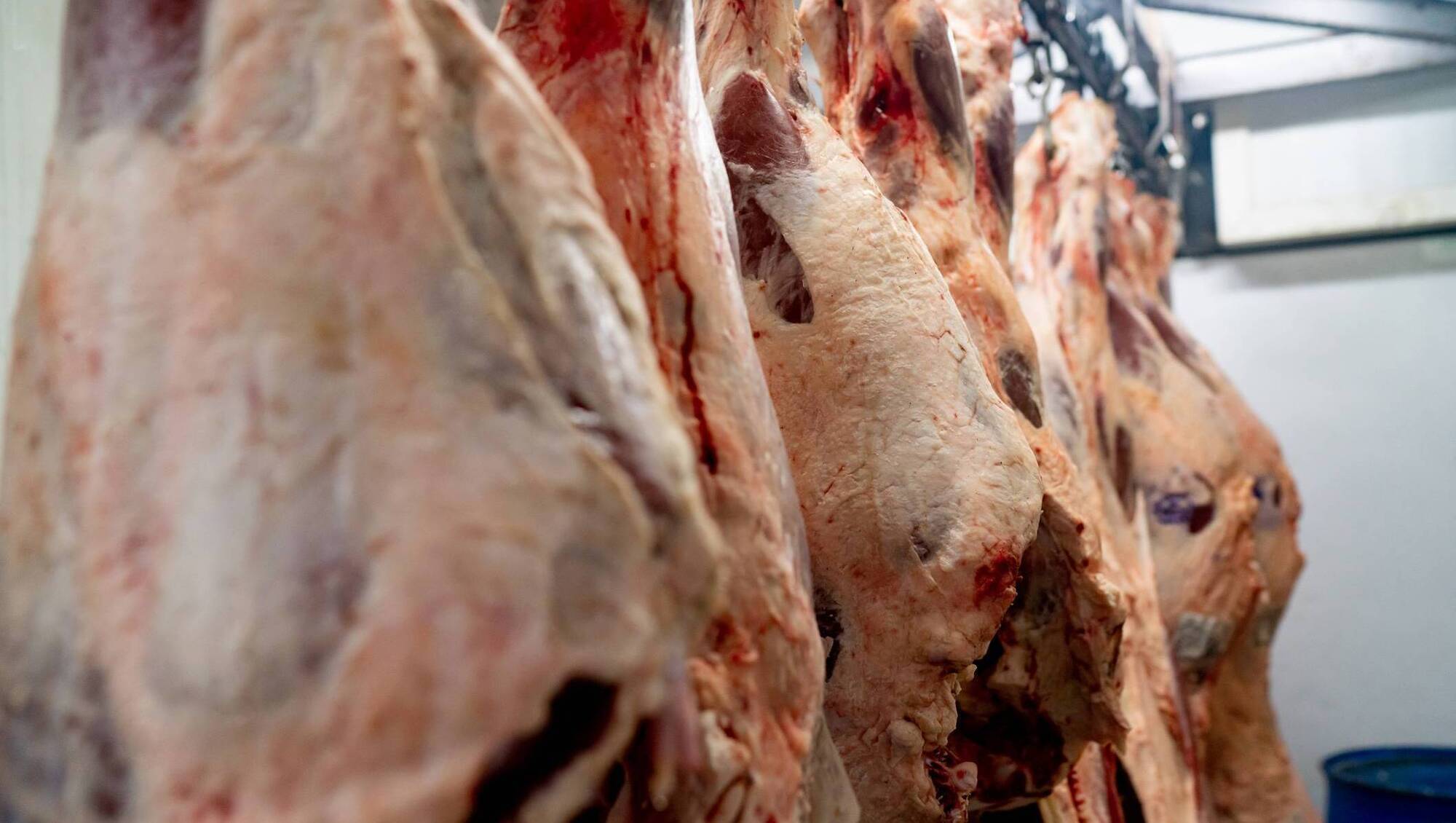
The tightening of prices was aided by the strength of supply, which pushed the total intake at the factories for 2026 ahead of 2025 for the first time.
Beef prices have steadied at the factories this week for both steers and heifers after processors shaved the higher layer off the returns paid to suppliers during October.
The tightening of prices was aided by the strength of supply, which pushed the total intake at the factories for 2026 ahead of 2025 for the first time.
The ongoing advice to finishers holding factory-ready cattle is to maintain a hard-sell policy because factories need to maintain intake over the next few weeks ahead of the Christmas market.
A good percentage of the cattle being processed this week were booked forward last week at the prevailing prices, before the further tightening of the “top-ups” being applied to this week’s purchases.
Steers are being quoted on a base of 650-660c/kg this week, with the majority of deals returning at the higher end, while the percentage of animals getting over 660c/kg has been slashed to a trickle.
It is a similar pattern for heifers on a base of 670-680c/kg, with suppliers finding it much harder to get above 680c/kg this week.
Read More
Cow prices have eased by up to 10c/kg, while demand for well-fleshed cows in particular remains strong. R-grade cows are making 625-630c/kg this week.
Young bulls are generally being quoted at around 660c/kg for R-grades this week.
After the busiest October in more than 18 months for intake at the factories, some of the pressure on processors to source sufficient intake has been eased.
However, they will continue to need a steady flow through their gates, at least until the end of this month, to supply the lucrative Christmas market.
It now looks to be shaping into a “steady as she goes” run, likely to continue to the end of the year, with overall throughput for 2026 having surpassed 2025 and at a lower cost to processors.
Intake for the final four weeks of October surpassed 140,000 head, an increase of over 26,000 on the same weeks in 2025, with the deficit of up to 80,000 head compared with 2025 earlier in the year completely wiped out by the strength of the autumn intake.
Supply last week eased to 33,355 head, which was still nearly 4,000 more than in the same week last year.
The intake included 13,498 steers, 10,497 heifers, 7,104 cows and 1,603 young bulls.