Dozens of patients deemed fit to leave acute hospitals but continue to occupy beds
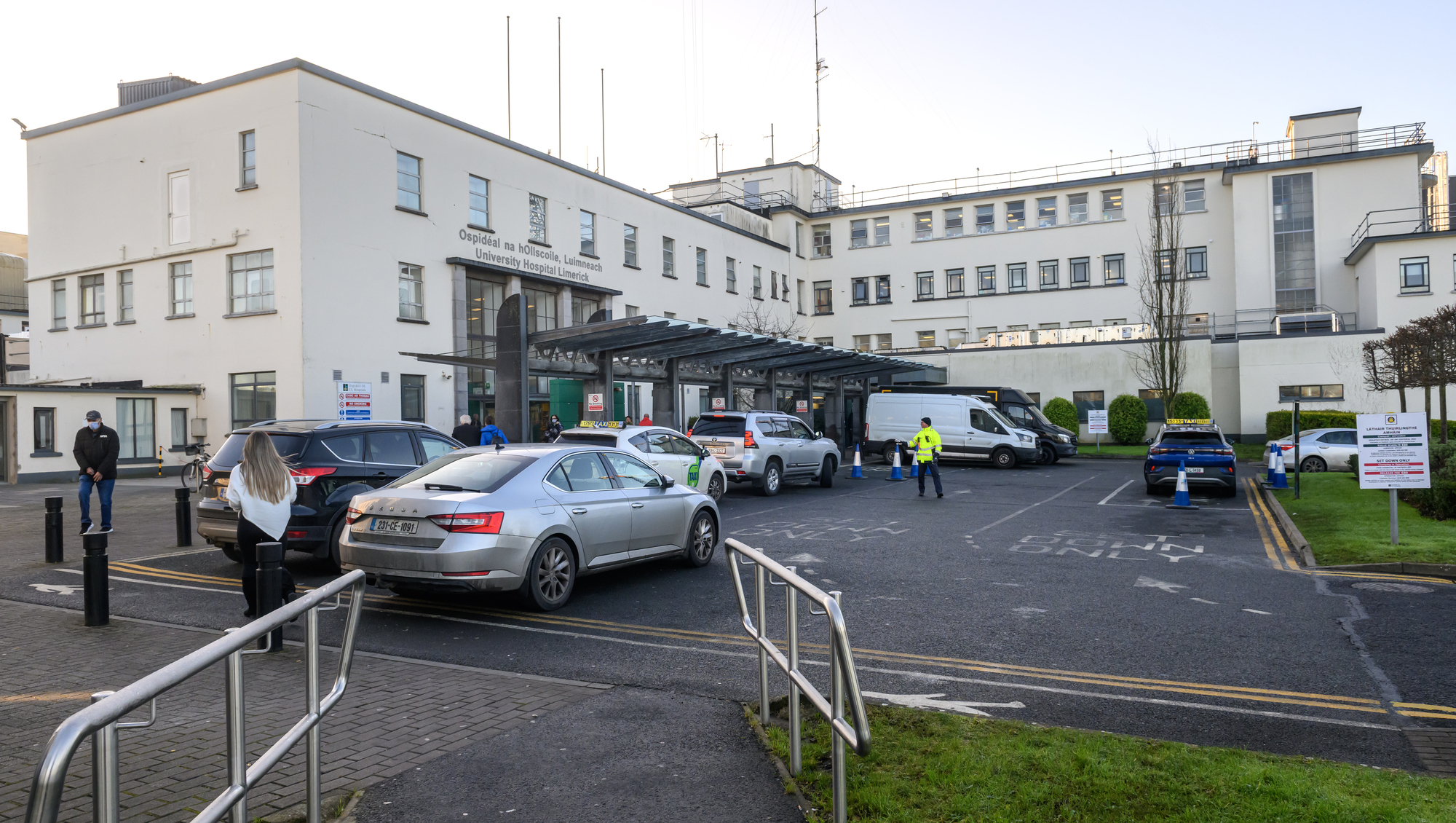
The new Mid-West Hospital Capacity Tracker, produced by Bartra Healthcare, found pressures continued to grow across UHL, St John's Hospital, Ennis Hospital and Nenagh Hospital. File picture Dan Linehan
Patients deemed medically fit to leave acute hospitals in the Mid-West are continuing to occupy beds needed for emergency and elective care, despite dozens of intermediate care places lying vacant near University Hospital Limerick.
Up to 60 intermediate care beds are currently unoccupied at Raheen Lodge, a private facility near UHL that opened last May.
The centre provides step-down care for adults who no longer require acute hospital treatment but are not yet well enough to return home.
New figures show that an average of 38 patients a day were occupying in acute hospital beds during the first nine months of the year, despite being medically cleared to move to another care setting.
The new Mid-West Hospital Capacity Tracker, produced by Bartra Healthcare, found pressures continued to grow across UHL, St John's Hospital, Ennis Hospital and Nenagh Hospital.
The monthly average number of patients occupying acute beds despite being approved for care elsewhere doubled from 23 in January to 46 in September.
UHL had the highest daily average over the first nine months of the year, with 25 patients occupying acute beds each day, peaking at 33 in August.
The tracker found that an average of 28 beds a day were redeployed from their intended use to meet ongoing demand pressures at UHL.
According to the analysis, the loss of those beds can impact scheduled care, procedures, assessments, and day cases, leading to cancelled or postponed appointments and longer waiting lists.
On average, more than 8,000 adults were waiting for an inpatient or day-case appointment during the period.
Bartra Healthcare chief executive Angela Ring said the tracker is intended to log capacity pressures in the region, evaluate whether that pressure is getting better or worse, and make a constructive, evidence-based contribution to the debate about how to make better use of existing capacity.
“We can see that the consequences of capacity pressures extend from the patient waiting to move to another care setting, to people waiting for an acute bed, and ultimately to those waiting for scheduled care," said Ms Ring.
“The UHL figures demonstrate that capacity squeeze particularly clearly, the persistent build-up of pressure, and the domino effects this has in a wider sense."
CONNECT WITH US TODAY



Be the first to know the latest news and updates