ICMSA urge farmers to identify ESB contractors after 'instances of stock being injured'
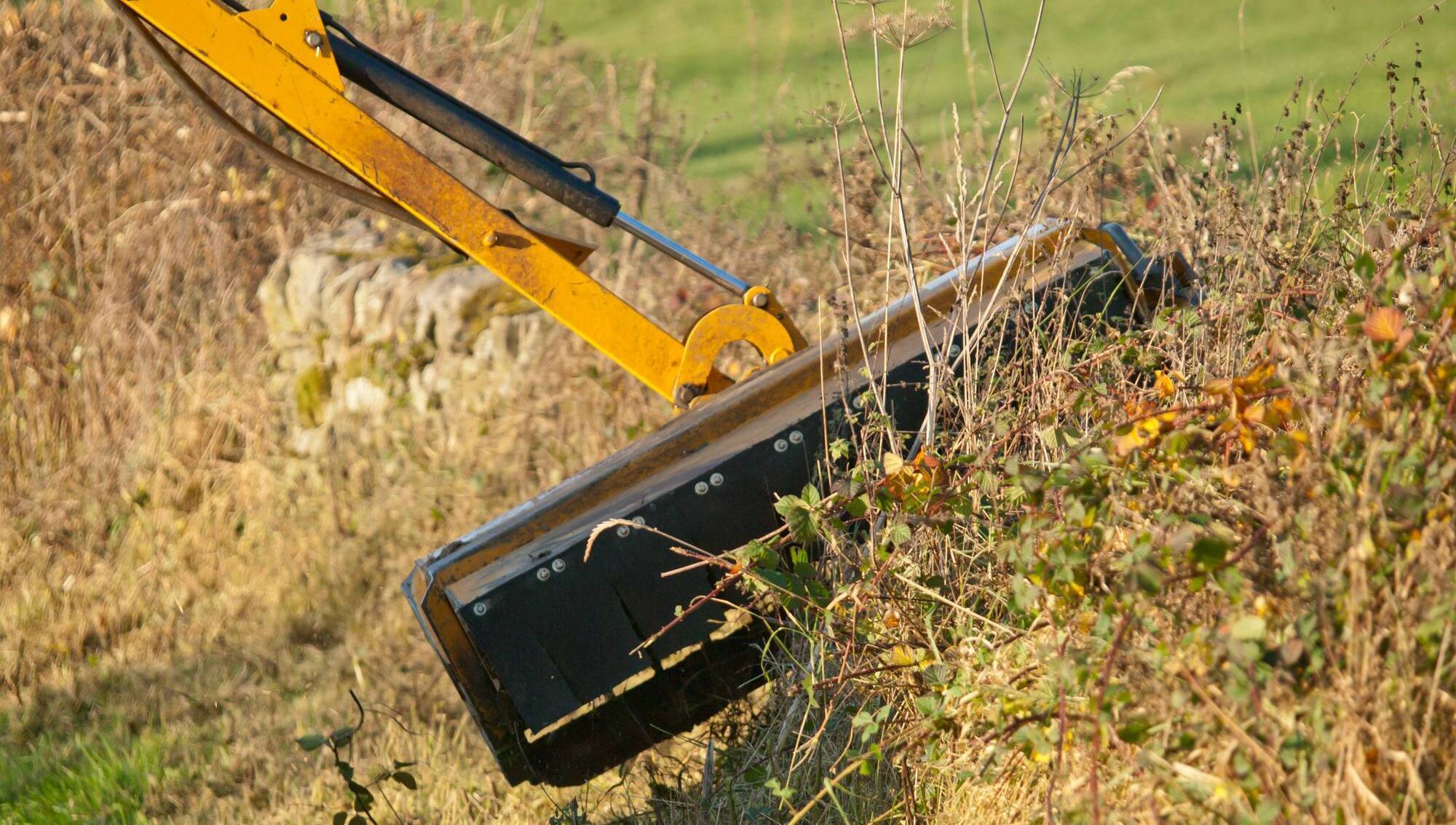
Farmers should note down contractor's names and take photos of unsatisfactory work. File picture
Following instances of injured stock and blocked drains, farmers have been urged to document the names of contractors maintaining hedgerows and trees for the ESB.
Irish Creamery Milk Suppliers Association (ICMSA) Farm Business Committee chairperson, Pat O’Brien, has urged farmers to identify and note the names of any contractors doing hedgerow maintenance on behalf of the ESB.
This is due to the organisation’s ongoing assistance with a case regarding badly injured stock which broke out following damage to a fence by contractors working on behalf of the ESB.
Mr O’Brien also noted that the contractors are supposed to ensure that clippings and cuttings are not left blocking drains and ditches, something that not all contractors have been reported doing.
“We are telling farmers to identify and note the names of the contractor teams carrying out this work, so that in the event of there being a dispute... farmers can cite the exact team, location and date to the ESB for follow-up."
Mr O'Brien also stressed that farmers should take photos of unsatisfactory jobs as soon as it is discovered so that there’s evidence to support any complaint.
Continuing, he said: “We are having our attention brought to instances of stock being injured and drainage being blocked by shoddy work, and we are having cases where farmers are querying the identification of these contractors or being confronted by people who either do not speak English, or purport to not be able to do so. It’s not good enough.”
Mr O’Brien said the onus should be on the ESB to ensure that the identities of contractors are conveyed to the farmers and that the work is carried out to a required standard.
“It is always wise to identify exactly who are the crew contracted by the ESB to work on your hedges. Do not assume that if anything goes wrong and after they have left, that you’ll be able to identify them at that stage… It’s so important to know who’s on your land and what they are meant to be doing,” Mr O’Brien concluded.