Conference highlights wellbeing and workforce issues in farming
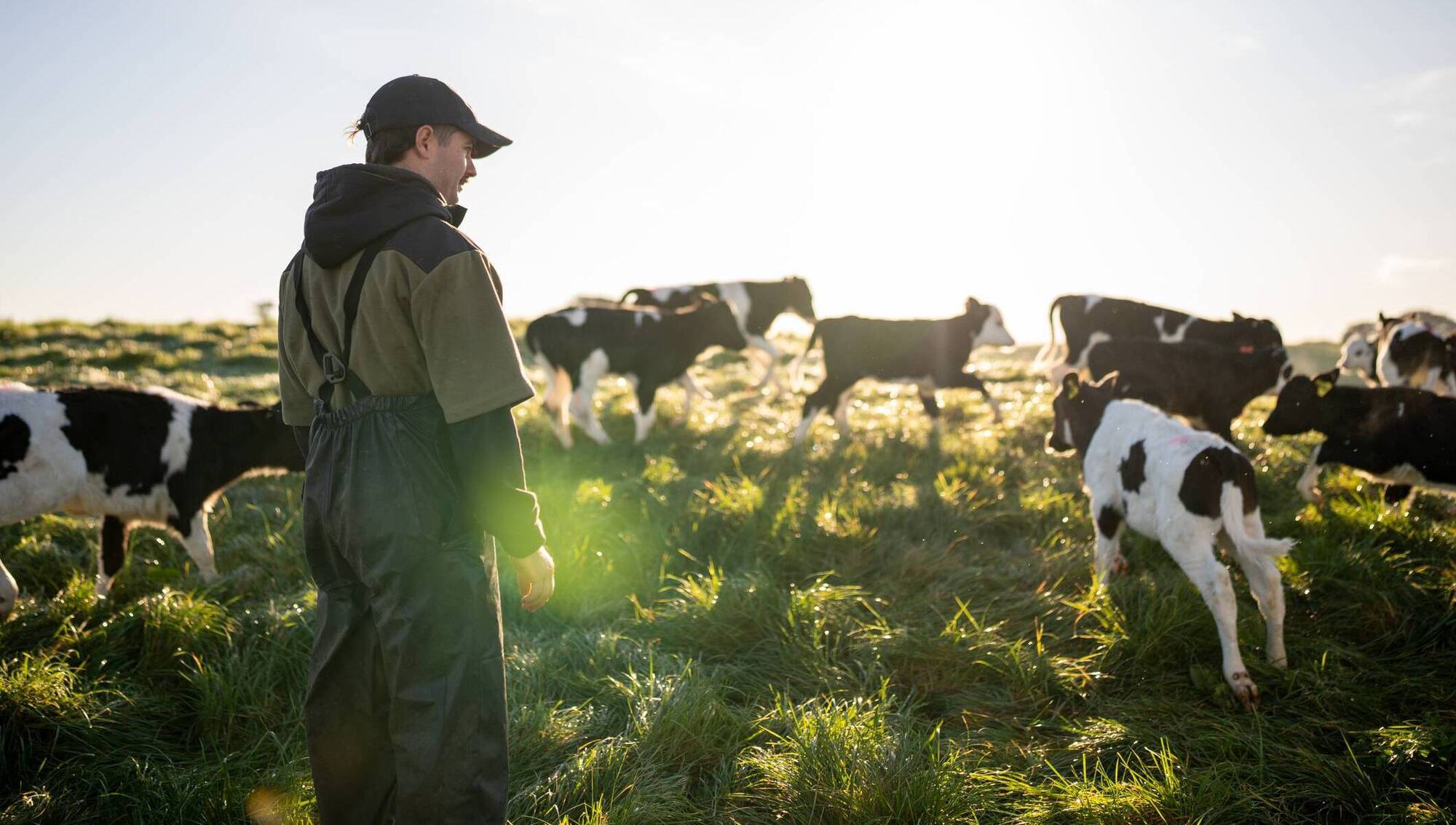
With a growing reliance on hired labour, dairy farmers have new responsibilities as employers.
A recent Teagasc conference heard about dairy workers’ entitlements, what motivates Irish women farmers, what yoga can do for farmers, and much more.
Employment compliance and human resource management were among the more urgent topics for dairy farmers at the Teagasc/UCD Knowledge Transfer Conference 2026.
With a growing reliance on hired labour, dairy farmers have new responsibilities as employers. In 2024, 42% of agricultural workplaces inspected by the Workplace Relations Commission were found to be in breach of employment law.
Dairy farmers may still have some catching up to do, judging by the results of a research study presented at the recent Teagasc conference.
Only 43.6% of dairy farmers were found to be aware that written work terms are required within two months, while only 25.6% knew about the requirement for written grievance and disciplinary procedures. These appeared to be the employer obligations least understood.
The study included a survey of 45 dairy farmers recruited through FRS Farm Services, 39 of whom employed hired labour.
The study also found that provision of employee facilities was uneven. However, attitudes towards providing them were positive, and the researchers concluded that targeted capital support should help convert intentions into action. Their recommendations for farmers included adding staff facilities to planned yard and parlour upgrades.
The conference also presented findings from the relatively overlooked research topic of Irish women’s motivations for engaging in farming and their perspectives on the future of agriculture.
The study surveyed women farmers who had completed or were studying for the Green Cert, making it particularly relevant during the 2026 International Year of the Woman Farmer.
There were 102 responses to an online survey, alongside six semi-structured interviews.
A key finding was that women farmers were primarily motivated by their family farming identity, their passion for and enjoyment of farming, and their commitment to farm development and innovation.
Participants were strongly optimistic about the future of women in agriculture, with 85.3% of the 102 survey respondents saying they were very or somewhat optimistic.
However, gender stereotypes, childcare responsibilities, limited recognition and concerns about farm viability remained important challenges.
Participants highlighted education, communication, visibility and long-term planning as key to supporting women’s future in agriculture.
Researchers said the findings point to a need for practical and policy supports addressing childcare, maternity, farm relief, visibility, education and succession.
Improving these supports could strengthen women’s participation and recognition in Irish agriculture.
The conference also heard about how farmers and other members of farming households got on in a six-week community yoga programme in Buttevant, Co Cork.
Sixteen participants completed questionnaires for the researchers, and two completed semi-structured interviews.
The researchers said participants reported positive experiences: 87% attended all the yoga sessions, while 68% rated their experience as very positive and 32% as positive.
Reported benefits included making more time for wellbeing activities (37%), improved sleep (31.5%) and reduced stress (6%).
Some 81.2% of participants told researchers they intended to continue yoga or take part in similar initiatives.
Social connection emerged as the strongest and most consistent finding, with participants highlighting opportunities to meet others, develop friendships and feel more connected to their farming community.
Participants also reported improvements in flexibility, stiffness, relaxation and awareness of their physical wellbeing.
The researchers said community-based wellbeing programmes combining physical activity with social interaction may offer a practical and accessible way to support farmer wellbeing.
Initiatives should be delivered locally, fit around farming lifestyles and respond to seasonal workloads. Agricultural organisations and farmer advice services could incorporate similar approaches into wider farmer wellbeing strategies.
The researchers said yoga has been explored as a way to support farmers’ physical and psychological wellbeing. Farmers face significant physical demands, long working hours, workload pressures and periods of limited social interaction, all of which can affect their wellbeing.