Managing the risk of mycotoxins in winter feed
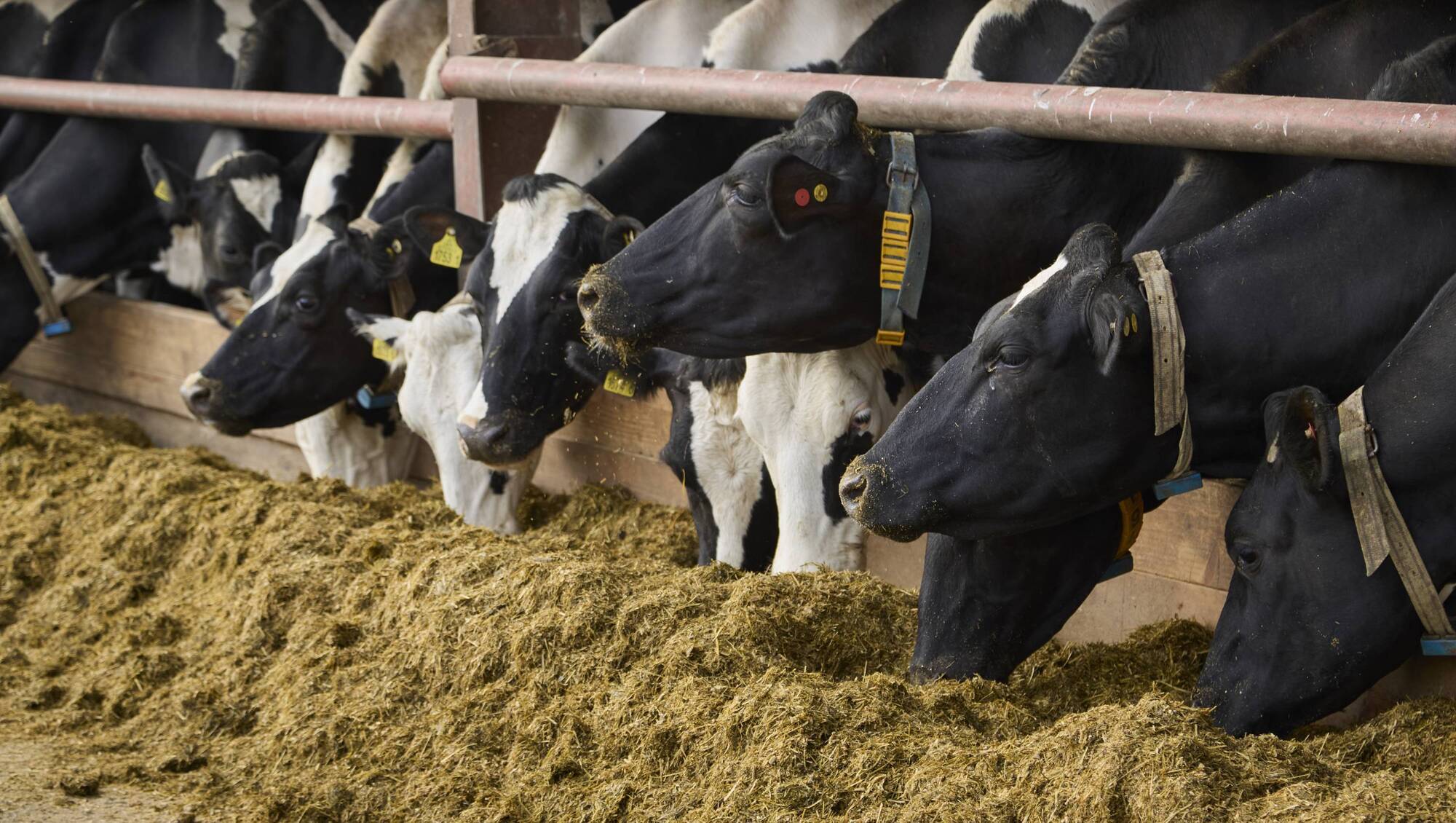
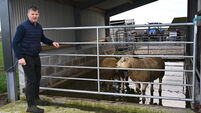
Mycotoxins in feed are an increasing problem, and this winter is no exception. Picture: Alltech Ireland
It’s been a difficult year in terms of securing enough winter forage. The fair backend and excellent recovery after the drought gave us the opportunity to make bales or third-cut silage. It also allowed us to get maize off in decent conditions.
Hopefully, everyone who needed it was able to fill the yard to a satisfactory level. We continue to urge people to do a fodder budget as the winter progresses and act proactively, rather than leaving it to the last minute and risking running out of forage. What is available to purchase at that stage will typically be of mixed quality.
Mycotoxins in feed are an increasing problem, and this winter is no exception.
Mycotoxins are everywhere, and contamination can affect even the most well-run farms. In ruminant feeds, they can be a significant health and performance issue.
They can be present in feeds or forages in many forms, from visible moulds, fungi or colour changes on the feed face to contamination that cannot be seen.
Read More
A healthy rumen can protect cattle against low levels of mycotoxins, but not all. Ruminant diets typically contain both concentrates and forages, increasing the risk of exposure to multiple mycotoxins.
Forages, fermented feeds and by-products can all pose a risk, depending on factors such as soil contamination, forage harvesting date, silage management, purchased feed origins and on-farm storage conditions.
Mycotoxins in grass, hay and silage present a particular threat to cattle. Ensiled forages are more likely than dry forages, such as hay, to harbour moulds and associated mycotoxins, especially when fermentation and anaerobic conditions are not well controlled.
Good management around the pit face has a major influence on how mycotoxins can make it into an animal’s diet.
Simple steps can help reduce the amount of air reaching the silage. Keep the shear grab sharp to expose as little surface area as possible, and move across the face of the pit quickly when feeding out. Silage showing signs of mould growth should not be fed.
However, visible mould is not the only warning. Alltech samples thousands of feed samples around the world each year and finds even visibly clean samples can have unexpectedly high levels of mycotoxins.
Mycotoxins are produced when mould comes under stress. While they are generally associated with visibly mouldy feedstuffs, feed with little or no visible mould can still contain high levels.
Animals exposed to mycotoxins may show one symptom or several. Mycotoxins can reduce appetite, affect gut integrity and rumen function, and decrease an animal’s ability to absorb nutrients from its feed. This can result in poor performance.
Other symptoms can include reduced or fluctuating milk yield, poor milk solids or decreased daily liveweight gain (DLWG). Fluctuating forage intakes, variable dung consistency across a batch of animals, or loose dung can also be signs of contamination.
Mycotoxins can suppress the immune system, potentially leading to swollen hocks, lameness, rough coats and cell-count problems. These can range from raised SCC to increased cases of mastitis, including E coli mastitis.
Fertility problems may also occur, including irregular heats, cysts, lower conception rates and abortions. Some mycotoxins can damage the liver and kidneys and cause internal haemorrhaging or muscle tremors.
Mycotoxin challenges are becoming more prevalent in Ireland, with more issues being seen in grass silages and forages. If a mycotoxin issue is suspected on farm, seek advice and put a plan in place to limit its effects.
Mycosorb A+ Evo is a broad-spectrum binder that tackles mycotoxins as a whole, rather than dealing with them individually.
As it is a yeast-based binder, it will bind more efficiently to a greater range of mycotoxins, reducing mycotoxin absorption without affecting vitamins and minerals.
Vitamins and minerals are an expensive part of any diet, and by incorporating Mycosorb A+ Evo we are ensuring the supply of these to your animals while managing the threat of mycotoxins.
Key characteristics to consider when adding a mycotoxin binder to feed include:
- Proven by independent research;
- A low effective inclusion rate;
- Stability over a wide pH range, essential for ensuring the mycotoxin stays attached to the binder throughout the gut and is then excreted;
- Ability to absorb a high capacity and broad spectrum of mycotoxins;
- Ability to react rapidly within the animal.
It’s important, if you suspect an issue on farm, to seek advice and implement a plan to prevent any negative effect on farm.
- Thomas O'Sullivan is an InTouch Feeding Specialist at Alltech Ireland.