I was injured by a brand-new machine — do I have a claim?
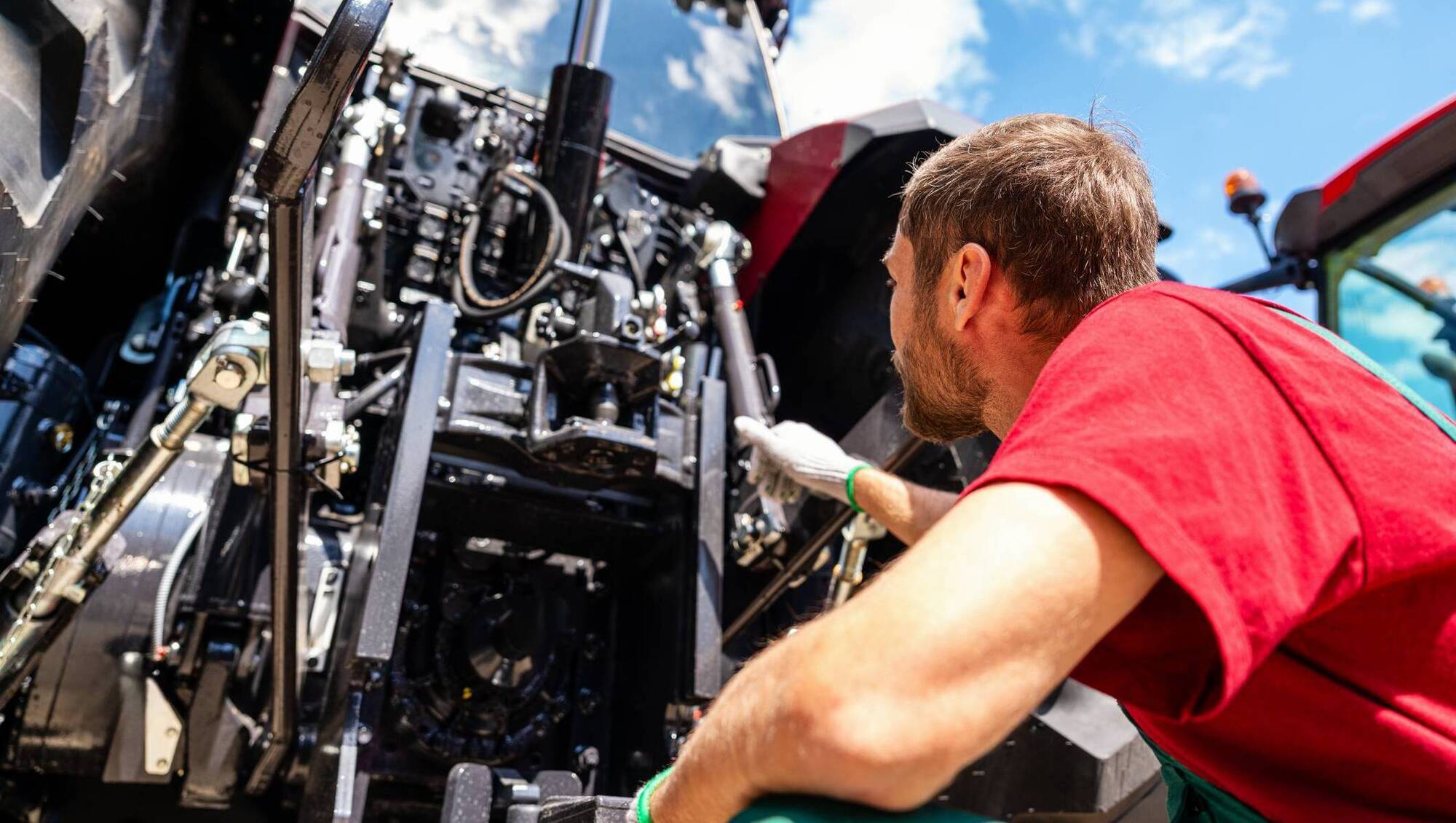
Where an injury occurs because a new machine is defective or unsafe, there may be legal remedies available.

Dear Reader,
Accidents involving farm machinery can have devastating consequences, particularly where the injured farmer is heavily involved in the day-to-day running of the enterprise. Where an injury occurs because a new machine is defective or unsafe, there may be legal remedies available.
Generally speaking, consumers and farmers are entitled to expect machinery supplied for use is safe, fit for purpose and free from defects. A machine should not expose its user to an unreasonable risk of injury when used in the manner intended.
In circumstances such as those you describe, one of the first matters that must be investigated is what caused the failure.
Sometimes, the issue can arise from a manufacturing defect, a design flaw, a faulty component, an assembly error or a failure to provide adequate warnings or operating instructions.
Photographs, maintenance records, purchase documentation and accident reports should also be retained.
In many cases, an engineering expert will be required to inspect the machinery and determine whether a defect existed and whether that defect caused the accident. Expert evidence is often crucial in identifying where responsibility lies.
Depending on the circumstances, a claim may arise against the manufacturer, supplier, distributor, installer or another party involved in bringing the product to market. The specific facts of each case will determine who may ultimately be responsible.
When assessing a claim, it is not only the physical injury that is considered. A farmer may also suffer financial losses arising from an inability to work, the cost of hiring replacement labour, medical expenses, and ongoing treatment costs. In a farming context, a significant injury can have a substantial knock-on effect on productivity and the overall operation of the farm.
It is also important to consider whether any recall notices, safety alerts or previous incidents involving the same equipment have come to light. While the existence of a recall does not automatically establish liability, it can be relevant evidence in understanding the nature of the defect.
Many injured parties assume that because an accident occurred on their own farm, there is little they can do. However, where a machine has failed because it was defective or unsafe, the law may provide a means of recovering compensation for both the injuries sustained and the financial losses arising from them.
While not every accident involving machinery results from a defect, a brand-new machine should not ordinarily fail in a manner that exposes a user to injury.
Where there is a genuine concern that faulty equipment caused an accident, independent legal advice should be obtained as soon as possible so the circumstances can be properly investigated and the appropriate steps taken to protect your position.
Email: info@walshandpartners.ie
- While every effort is taken to ensure the accuracy of the information contained in this article, Karen Walsh does not accept responsibility for errors or omissions howsoever arising. Readers should seek legal advice in relation to their particular circumstances at the earliest opportunity.