Silage effluent is a very potent pollutant if it gets into water
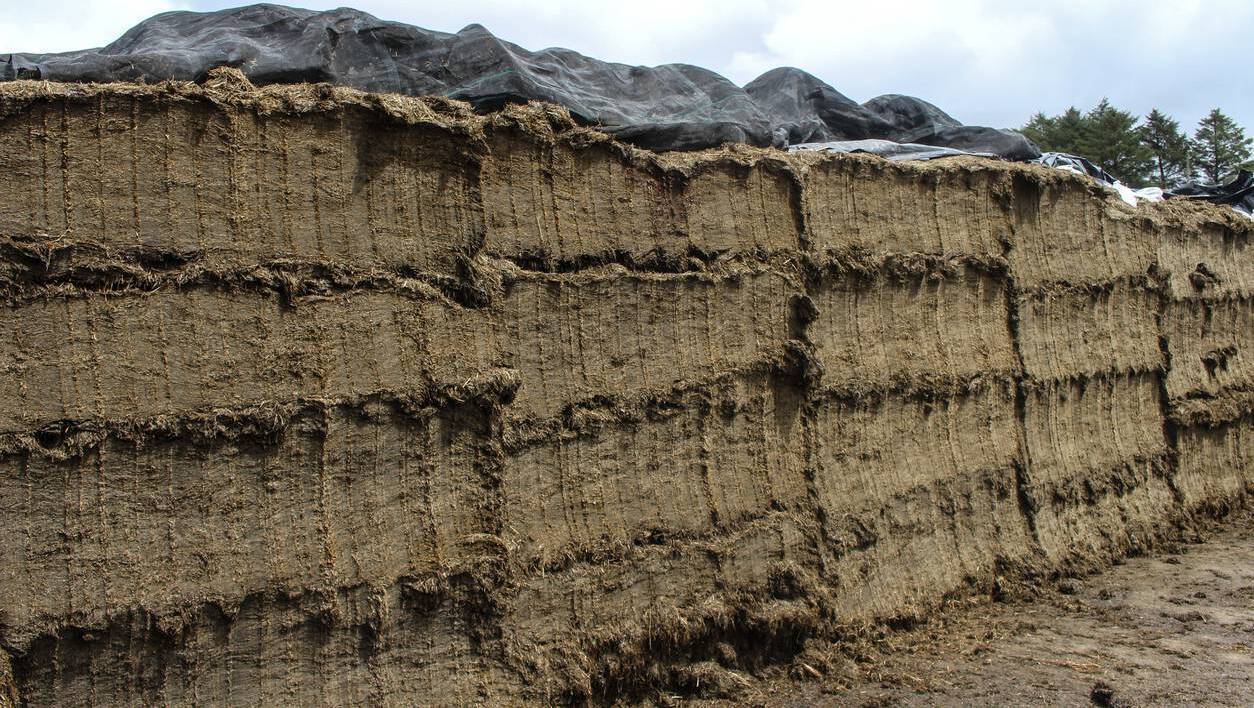
Farmers are to adhere to the specifications available from the Department of Agriculture when constructing a new silage pit, silo walls or resurfacing an existing silage pit.
Farmers have been reminded of the environmental and safety risks associated with silage storage, particularly the dangers posed by over-high silage pits and silage effluent.
Joining a recent Teagasc Signpost Series webinar hosted by Cian Condon, KT outreach and innovation specialist, farm building and infrastructure specialist at Teagasc Tom Fallon said: “The main challenges in silage storage are safety risks; many of our silage pits are too high and they pose risks both to the contractor loading in the grass and farmers and workers in terms of emptying the pit.
“There is also the risk to the environment from run-off, and excessive silage waste is an issue on some farms.”
On the recommended heights for silage pits, Mr Fallon said the suggested average height for settled silage, excluding the ramp, is 2.1-2.4m for small to medium herds and 3m for large herds. For the latter, wall height is assumed at 3m.
For farmers and contractors filling pits, this settled height represents a reduction in height terms of -1.2m from when the pit was filled with fresh grass.
Along with safety concerns, he said overly high silage pits made it difficult to achieve consolidation: “Silage pits are very difficult to roll when they get too high and silage waste is costly.”
Read More
Mr Fallon’s presentation then turned to the environmental risks posed by silage pits, a challenge arising due to the presence of three liquids: silage effluent, clean water and soiled water.
On the former and its potential as a pollutant, Mr Fallon said: “Silage effluent has a biochemical oxygen demand of 80,000 mg/L. Just for comparison, cattle slurry is 18,000 mg/L and soiled water is <2,500 mg/L and <1% dry matter.
"Silage effluent is a very potent pollutant if it gets into a water source. Most effluent arises within four to six weeks of ensiling but there can be some effluent right throughout the storage period.”
Turning to silage pit design, Mr Fallon encouraged farmers to adhere to the specifications available from the Department of Agriculture when constructing a new silage pit, silo walls or resurfacing an existing silage pit.
Practices to maintain cleanliness and to prevent the inadvertent creation of soiled water when managing silage during feed out were also discussed, with Mr Fallon adding: “We encourage farmers to use a tractor-mounted brush and bucket to keep silage pits and yards clean and these are being used more frequently on yards to good effect.”
He also reminded farmers of the importance of storing waste silage when and if it arises: “Every farmer should have a farmyard manure store, especially those making silage. These are places to bring waste silage, so it is not left in front of the pit and thus obliging farmers to collect all the liquid coming off the full pit.”