Making sustainability work on Irish farms
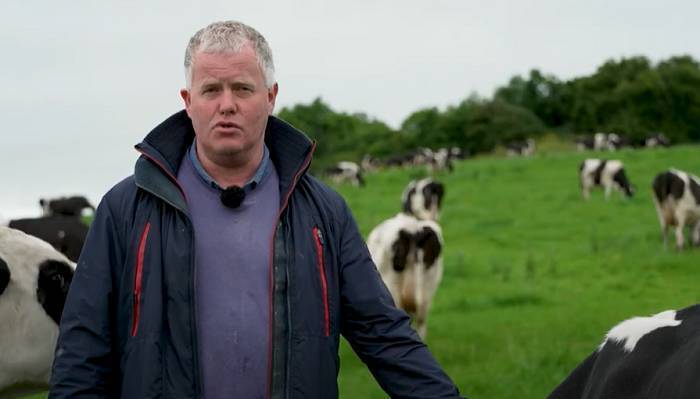
Limerick dairy farmer Martin Crowe has seen benefits of including multispecies, particularly during dry conditions such as this summer, where the multispecies was more drought-tolerant and recovered more quickly.
Sustainability has become one of the most frequently used words in Irish agriculture. It featured directly in the themes of four of the six Teagasc Moorepark Open Days held between 2015 and 2025.
Its repeated use reflects the scale of the challenge facing the sector. But it also raises a question: what does sustainability mean in practice for an Irish farmer? And what are Irish farmers doing to improve sustainability on their farms?
Too often, the term is treated as shorthand for reducing emissions. Environmental performance is clearly important, but a farm cannot be considered sustainable if it does not provide a viable income or if the workload makes it unattractive to the next generation, something which has gained a lot of traction recently.
The increasing use of clover provides a good example of how environmental and financial objectives can align. White clover can reduce reliance on chemical nitrogen fertiliser while supporting grass production, provided soil fertility, establishment and grazing management are right. Beef farmers have found success with red clover as a high-protein source of feed for increasing weight gain on their animals.
Some farmers have gone further by establishing multi-species swards. These typically combine grasses, nitrogen-fixing legumes such as clover, and deeper-rooting species such as chicory and plantain. Research indicates these swards can maintain production with lower chemical nitrogen inputs and, in some studies, improve liveweight gain in grazing cattle.
Their varied root structures may also help them access water and nutrients at different soil depths, potentially making them more resilient during dry periods, something that may be important if this summer is anything to go by.
On paper, multi-species swards can appear close to a “golden ticket” for more sustainable grassland farming. Experience on farms, however, is more mixed.
Persistency and weed control are among the most frequently reported difficulties. One dairy farmer who has incorporated multi-species swards said weed control had remained a challenge for several years and he had yet to find a satisfactory solution. Despite this, he continues to see sufficient benefits to retain them.
Martin Crowe, a dairy farmer in Co Limerick, recalled neighbours questioning his decision to sow what they described as a “field of weeds”. However, he has seen benefits of including multispecies, particularly during dry conditions such as this summer, where the multispecies was more drought-tolerant and recovered more quickly.
Having seen the results, some of those neighbours have since become more open to the idea. Mr Crowe believes the multi-species areas require less management than his perennial ryegrass swards, saying there is not the same reduction in quality if animals graze multi-species at a slightly higher cover than if it were perennial ryegrass.
Long-term studies at UCD Lyons Farm have produced positive results, but important management questions remain. Should multi-species swards be grazed to a higher post-grazing height? Do they require a longer rotation? How can weeds be controlled without damaging the herbs and legumes?
How long can the desired mix of species be maintained? Perennial ryegrass and white clover have been studied and managed in Irish conditions for decades. The same depth of practical knowledge does not yet exist for multi-species swards. Farmers adopting them are, to some extent, learning alongside researchers and advisers.
Aisling Molloy, Teagasc beef adviser, identifies financial viability as the most immediate sustainability challenge for many farmers. She describes how fluctuating input costs, combined with uncertainty about the price cattle will achieve at the point of sale, make it difficult to budget or plan investments.
Last year, when beef prices were high, the adviser saw farmers investing in additional slurry storage, soil fertility, vaccination programmes and breeding technologies such as synchronisation and automated heat detection.
When margins are low, those investments become much more difficult. This impacts more than just farm finances. When margins are tight, it becomes less attractive as a potential career for a successor.
Farmers’ most common questions reflect these concerns. They want to know how hedgerows, forestry and soil carbon are accounted for in their farm carbon footprint, what actions will reduce emissions and, just as importantly, how they can improve profitability.
There is no single answer that will work for every farm. Different enterprises have different land types, infrastructure, labour availability, financial capacity and family objectives. The starting point should be identifying the farm’s most significant challenges and selecting actions that can deliver measurable benefits in that particular system.
Some of the most effective measures are established management practices rather than entirely new technologies.
For beef farms, red clover can be particularly useful on outfarms used for silage. When managed correctly, it can reduce chemical nitrogen requirements while producing high-quality winter feed.
Low-emission slurry spreading can improve the nitrogen value recovered from slurry. This is increasingly accessible to farmers who use agricultural contractors, as much of the necessary equipment is already available through contracting services.
Soil sampling and a nutrient management plan allow lime, slurry, phosphorus and potassium to be targeted where they are most needed. This can improve grass growth while reducing waste and the risk of nutrient losses. But soil is more than just chemistry; understanding the biology and physical structure are also important to ensure the entire ecosystem works effectively.
Speaking to farmers at the Tullamore Show, concerns were raised about the effect of drought on soil biology and on fertiliser application rates once the drought ends. Concerns were also raised about potential reductions in water quality.
Paddock systems are another relatively straightforward intervention. Moving cattle regularly and avoiding grazing the same area for more than three days can improve grass utilisation, protect regrowth and help maintain sward quality. Better-quality grass supports higher liveweight gain, potentially reducing the time an animal must remain on the farm.
Regular weighing then allows farmers to see whether these management decisions are delivering results. Silage testing can perform a similar role during winter by identifying whether diets need to be supplemented to achieve target daily liveweight gains.
A herd health plan, adequate feeding and lying space, good ventilation and an appropriate vaccination programme can reduce illness and losses, particularly among weanlings during winter. These measures improve animal welfare while protecting the farmer’s investment.
Water quality initiatives provide another example of targeted action. Through the Farming for Water European Innovation Partnership, farm assessments are used to identify measures suited to the risks on an individual farm. This “right measure, right place” approach is more likely to deliver results than asking every farmer to implement the same action.
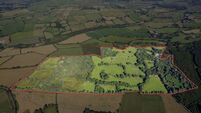
Ms Molloy highlighted some of the achievements of farmers on the Future Beef programme at Teagasc.
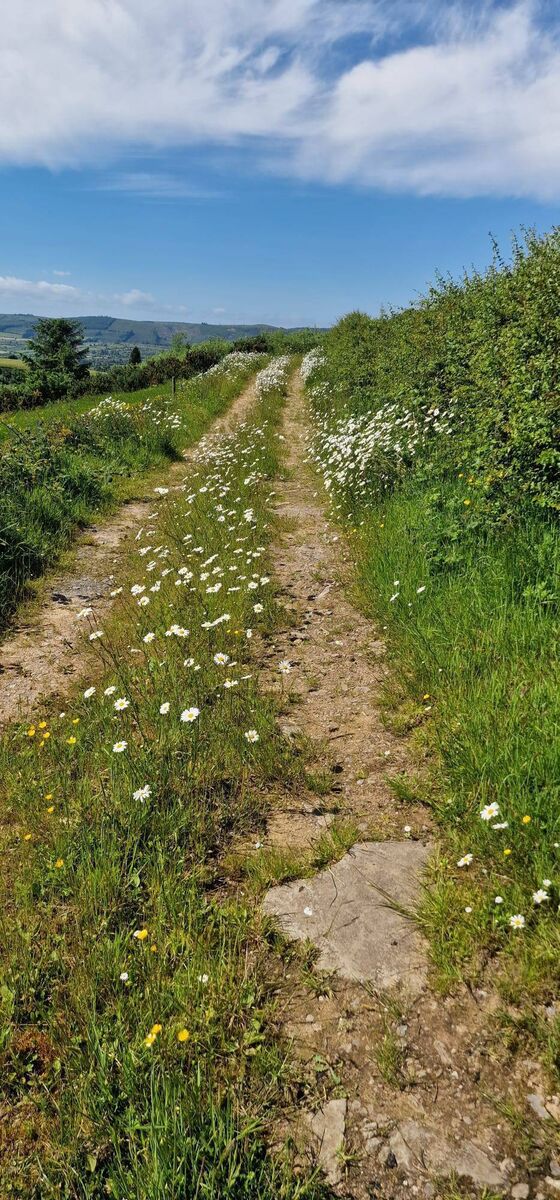
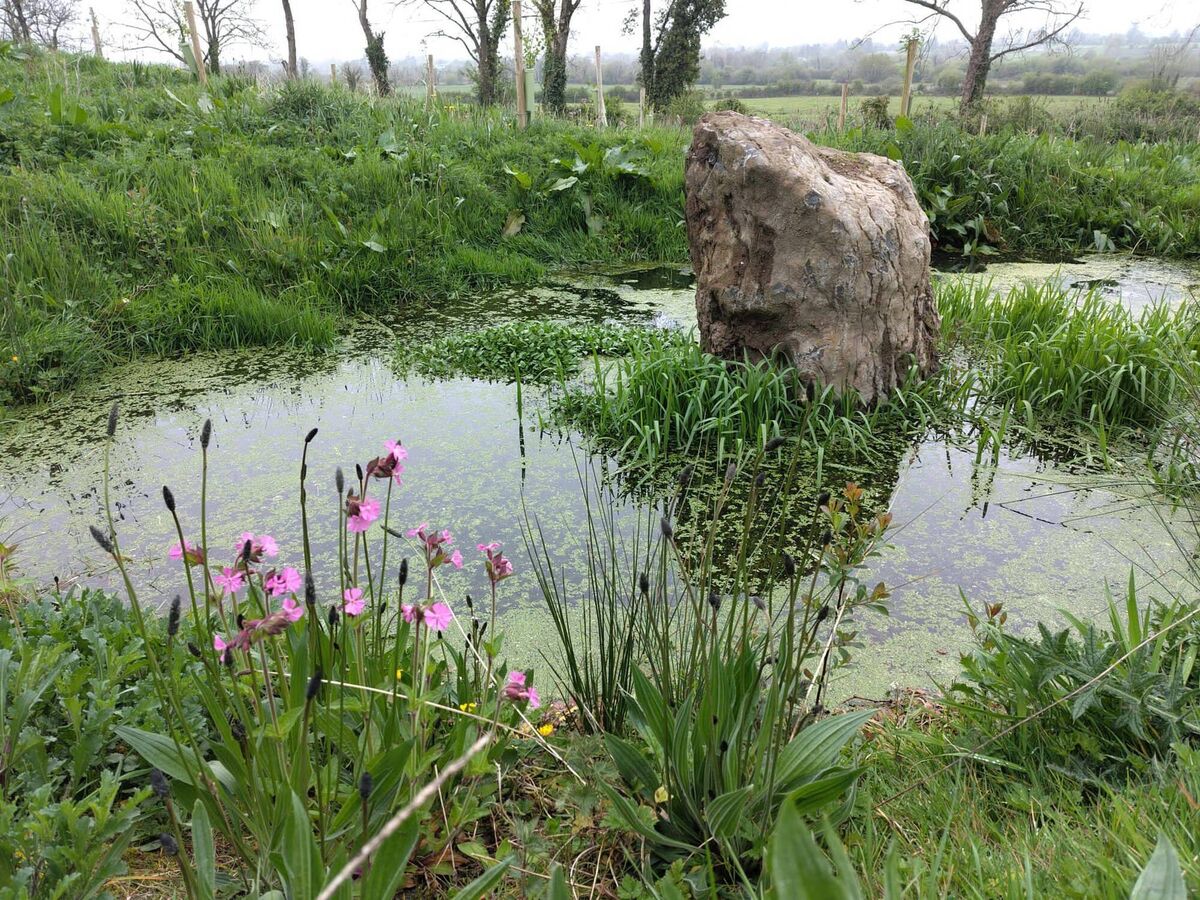
These changes create and connect habitats, help protect waterways, reduce reliance on chemical fertiliser and demonstrate how environmental improvements can be integrated into working farms.
The central lesson is that sustainability is not delivered by one crop, one technology or one scheme. Multi-species swards may be valuable on some farms, while red clover, better grazing infrastructure, improved breeding or targeted water-quality measures may offer greater benefits elsewhere.
The advice that applies most widely is to maximise efficient weight-gain from grazed grass while measuring whether management decisions are working. This supports profitability, reduces unnecessary inputs and can lower the environmental footprint of production. These in turn can lead to the sector being more attractive for the next generation.