Brian Reidy: Using straw to replace and strecth grass silage
It is inevitable that silage will be in short supply this coming winter on many farms.
A significant number of producers have made a big hole in their winter grass silage supplies. The drought of 2018 and now the 2026 version must mean that livestock producers plan to make more forage to have feed when sufficient grass is not available during the grazing season. It is not sufficient to plan for a 120- to 150-day winter.
We must learn from the challenges of recent years. Many of my dairy nutrition customers have no worry about winter feed, as many of them buffer feed in the shoulders and many do so throughout the summer; as a result, they always plan to make plenty of forage and do not put all their eggs in the grass silage basket. The advantages of growing or purchasing maize silage, whole crop and beet and of including by-products in animals' diets help significantly to insulate against drought and maintain animal performance more easily.
As I have already mentioned, it is inevitable that silage will be in short supply this coming winter on many farms. Buying silage has proved not to be an option and, anyway, will you be able to buy quality silage? The west and north of the country recovered quickest from the drought, and reports suggest that little or no fodder deficit exists in these areas. Some I have spoken to recently were hanging their hat on maybe getting some surplus from these regions, but that is very costly. Anyone with surplus silage in Ireland this year will be very slow to sell it between now and mid-March at the earliest. That is unless the producer has no stock to feed and/or has decided not to buy cattle for this winter.
Care will also need to be taken when feeding recently saved or yet to be made silage. They will be wetter and are harder to preserve at this time of year. All farm situations are different; however, some generalisations can be made. The animals, which will benefit most from high forage-based diets on a beef farm, are the suckler cows with calves at foot. While obviously on dairy farms, the milkers should be prioritised for the available quality forage.
The question then is what are the obvious alternatives for young stock, dry cows and finishing cattle?
The use of quality products such as beet and brewers’ grains is an obvious solution where they are available. However, the demand for these products looks like it will exceed the supply, and, in this situation, what are the alternatives? All whole crop and soon-to-be-harvested maize silage have all been snapped up.
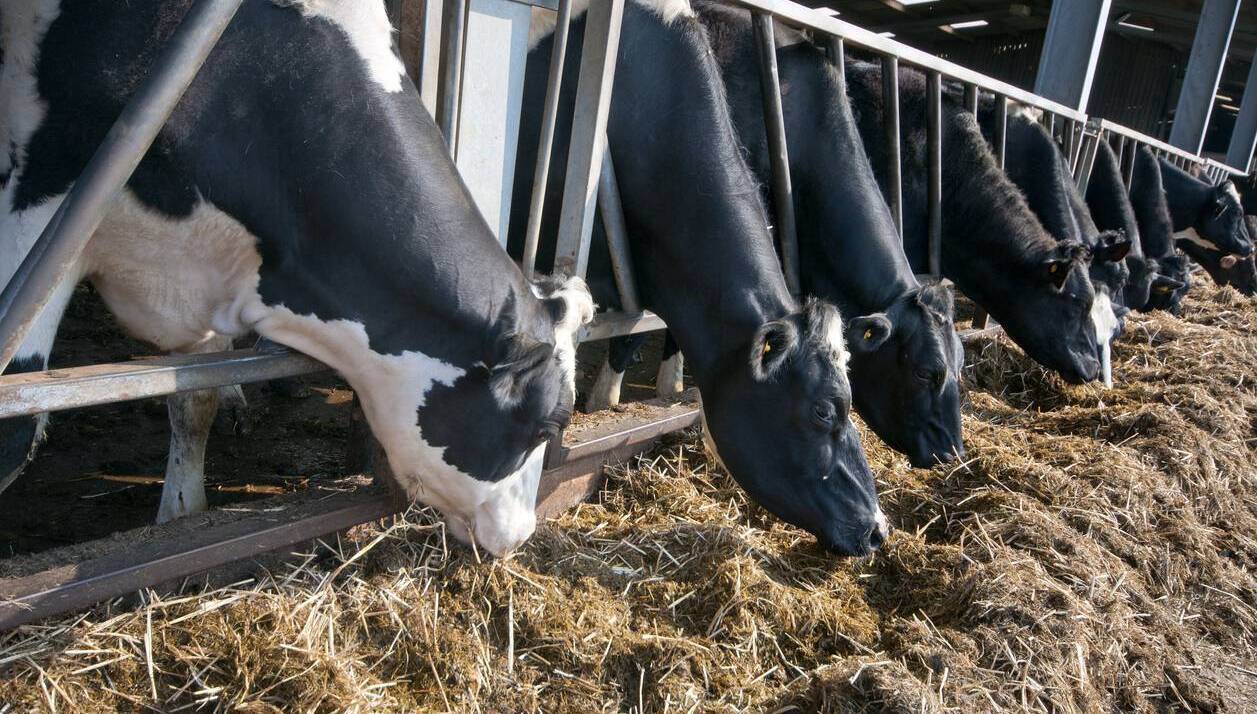
A proven production method for dairy replacements and young store cattle is to use a straw-based diet. Obviously, the harvest is now over, and native straw is still in plentiful supply right now. Straw represents the most convenient way to stretch silage stocks whether you have a mixer wagon or not.
To maximise the intake of straw, it is necessary to keep a constant supply in front of the animals. This will ensure correct rumen health. Remember the most important thing that a ruminant does each day is chew the cud; everything else will follow. The straw should be fed in conjunction with a blend balanced correctly for the animal’s protein and energy requirements.
Where straw is being supplied as the only forage source, it is important to carefully manage the use of cereal grains and make sure animals are supplied with digestible fibre in their diets. Digestible fibre breaks down in the animal’s system and promotes rumen development and frame growth. It is also important to use high-quality protein sources such as Hipro Soya bean meal or Distillers to encourage lean tissue growth and include a mineral balanced for straw.
A simple rule of thumb for the amount of blend to feed is to offer 0.5 Kg of blend per 50 Kg live weight plus 0.5 Kg of blend. For example, this means that a 250 Kg animal would receive 3.0 Kg of the balanced blend concentrate/head/day plus free access to straw.
The above 250 kg weanling will eat a total of approx 5 Kg of dry matter. The meal will cover half this, so they will eat in the region of 3 Kg straw. That means for a 150 day/5-month winter, each weanling will require approx 450 Kg straw or in the region of 3 round bales. Plan for a longer winter feeding where possible.
The whole system is very practical; animals are fed once or twice per day depending on the amount of meal being offered, and there is very little feed wasted. It also means that you can stretch grass silage supplies and target the stock, which will give the best return over feed costs.
Remember that it is not the case of just going out and buying any old ration for this purpose. Expert advice should be sought to get the best value and quality meal to balance straw, which will result in target gains being achieved by your stock.