Brussels must count the high cost of policing pesticide imports
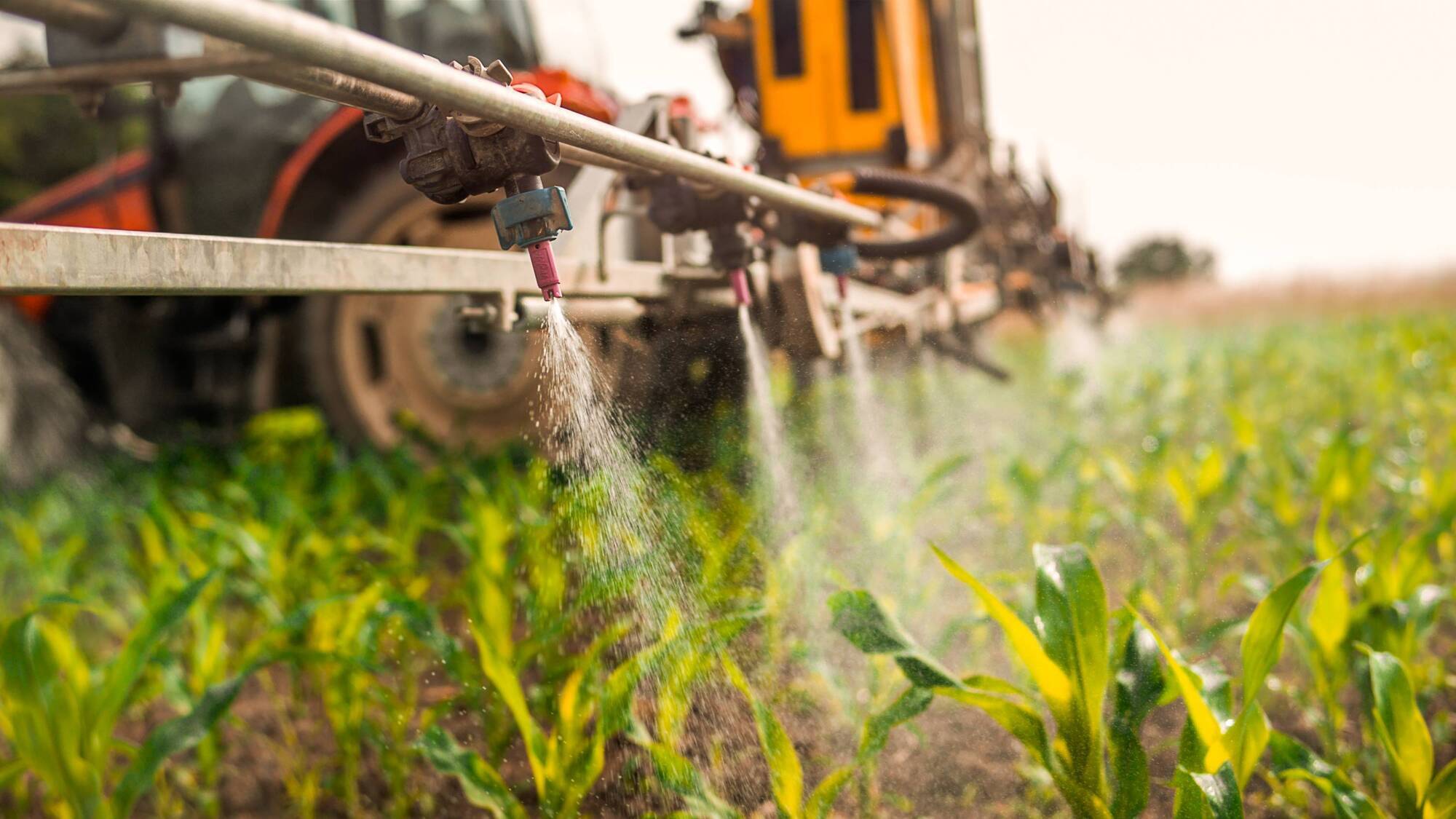
New EU pesticide restrictions could disrupt imports and increase food and feed prices, but their true impact will depend on whether overseas producers can adapt.
Brussels is thinking about extending its pesticide restrictions to imported food, even though this could greatly increase prices for EU consumers and feed costs for livestock farmers.
Perhaps Brussels will have a rethink after the European Commission’s science and knowledge service, the Joint Research Centre (JRC), said the changes could cut the EU’s total agricultural imports by as much as 41%.
However, that figure comes from the study’s most extreme scenario, in which non-EU producers do not adapt their production practices.
Under that scenario, food price rises in the EU could reach 332% for coffee, 105% for soyabean meal and 85% for citrus fruit.
So coffee and fruit consumers, and every farmer who feeds soyabean meal to livestock, would suffer. The higher feed costs could reduce EU pork production by as much as 5.8% and poultry production by 5.4%.
Nevertheless, in its February 2025 Vision for Agriculture and Food, the European Commission established the objective that the most hazardous pesticides banned in the EU for health and environmental reasons should not enter the EU market through imported products.
Read More
The commission tasked the JRC with studying the potential economic impacts. But the reduction in agricultural imports could be around 8% if non-EU producers adapt their practices, rather than the worst-case 41%.
Under that intermediate scenario, prices would rise by approximately 6% for coffee, 5.6% for citrus fruit and 2% for soyabean meal. Under the most favourable scenario, imports would fall by just 0.4% and price increases would remain below 1%.
The JRC particularly studied the effects of restrictions involving cyproconazole. It found that alternatives were available, but production costs could be 20–40% higher. Would exporters to the EU be happy with that extra cost?
The JRC says EU crop output would expand to replace some affected imports, but EU livestock production would fall even in the best-case scenario.
Figs, almonds, hazelnuts and beans would be among the hardest products for the EU to replace.
The adaptations made by exporters could minimise food and feed price impacts, but with strongly different results across pesticides, commodities and exporting countries.
The JRC also noted that its study is not a proper impact assessment, which would be necessary before the EU could put the proposal into action.
There is logic in saying that the most hazardous pesticides banned on European farms should not enter the market through imported products.
European farmers could also ask why they should meet standards that are not imposed on their international competitors. However, the enormous difference between the JRC’s scenarios should give Brussels pause for thought.
You tamper with global food markets at your peril because your best-laid plans can be upset by international events, war and extreme weather.
Before acting, Brussels must establish whether exporters can adapt, what that would cost and where the EU could secure alternative supplies. Otherwise, European consumers and livestock farmers could end up paying the price.


A page element cannot be displayed.
Please excuse this interruption.