Fodder transport subsidy proposed as farmers face severe shortages
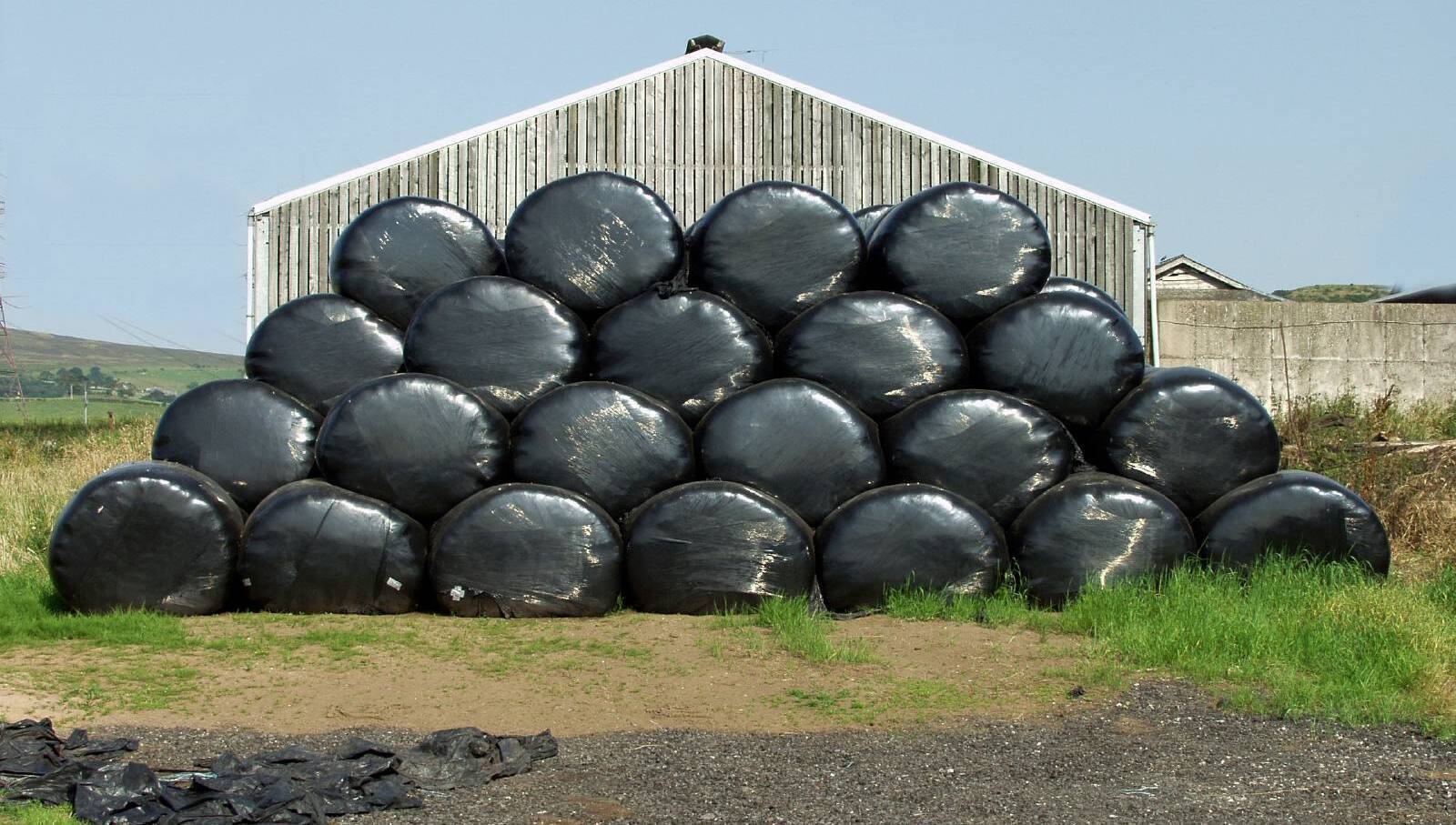
ICMSA president warned the cost of transporting silage to drought-hit regions was prohibitive and argued a transport subsidy would allow fodder to be moved into deficit areas.
A Government-backed fodder transport scheme was proposed at the National Fodder and Food Security Committee meeting as farmers in drought-hit regions struggle with severe fodder shortages.
Irish Creamery Milk Suppliers Association (ICMSA) president Denis Drennan emphasised the need for a scheme or subsidy as farms towards the East and South-East of the country have begun to rely solely on winter diets for livestock due to the ongoing dry conditions.
Mr Drennan said Ireland's best opportunity to grow fodder to be sold to farmers in need will be in the West of the country.
"The best opportunity to grow anything at the moment is on the west coast," he told the .
Read More
“Those people up there are willing to have the opportunity to grow another crop of silage between now and the end of the year because they have fields that are actively growing at the moment."
Mr Drennan said there was surplus fodder available across parts of the West and North-West, including West Clare, Galway, Sligo and Mayo, where grass growth remained strong.
Describing conditions in the South and South-East, Mr Drennan said: "The whole place is just brown."
He warned the cost of transporting silage to drought-hit regions was prohibitive and argued a transport subsidy would allow fodder to be moved into deficit areas while enabling farmers in the West of the country to grow additional silage before the end of the season.
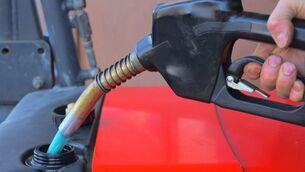
Mr Drennan said rising diesel costs were compounding the fodder issue, noting tractor diesel had risen from about 90c/litre at the start of the year to more than €1.50/litre and was adding significantly to the cost of transporting silage from western counties into drought-hit regions.
"This is part of the problem with transporting. If you want an artic that can only bring maybe 30 bales on from Clare to Kilkenny, that's a big cost," he told the .
"Obviously there's money there from the fuel scheme. You'd hope that's going to be rolled over."
Mr Drennan said he had put his livestock on a winter diet for the last six weeks, currently feeding his cattle 12kg of silage and 8kg of concentrates, which has resulted in much higher costs than usually anticipated for this time of year.
"I've had no growth for the last probably four to five weeks. So I've run out of grass, and for the last six weeks I'm on a full winter diet.
He said importing fodder from the EU, which occurred in 2018, would not be an option this year as the UK and EU are also facing drought conditions and are in search of fodder.
"The main thing we need to do as a country, we don't have an option of importing fodder because all of Europe is in the same boat. What we need to do at the moment is maximise what we can grow in this country," he said.
Mr Drennan said decisions and actions must be taken to ensure there is enough fodder for livestock to last into next year.
"We need to put the wheels in motion so that we don't have an animal welfare issue next spring.
"We just need to maximise every last bale of silage or whatever crop it is that can be grown between now and the end of the growing season. That's what we really need to do. And that's what we should really be focused on at the minute."
Check out the Irish Examiner's WEATHER CENTRE for regularly updated short and long range forecasts wherever you are.