Brian Reidy: Autumn 2026's fodder challenges still need to be addressed
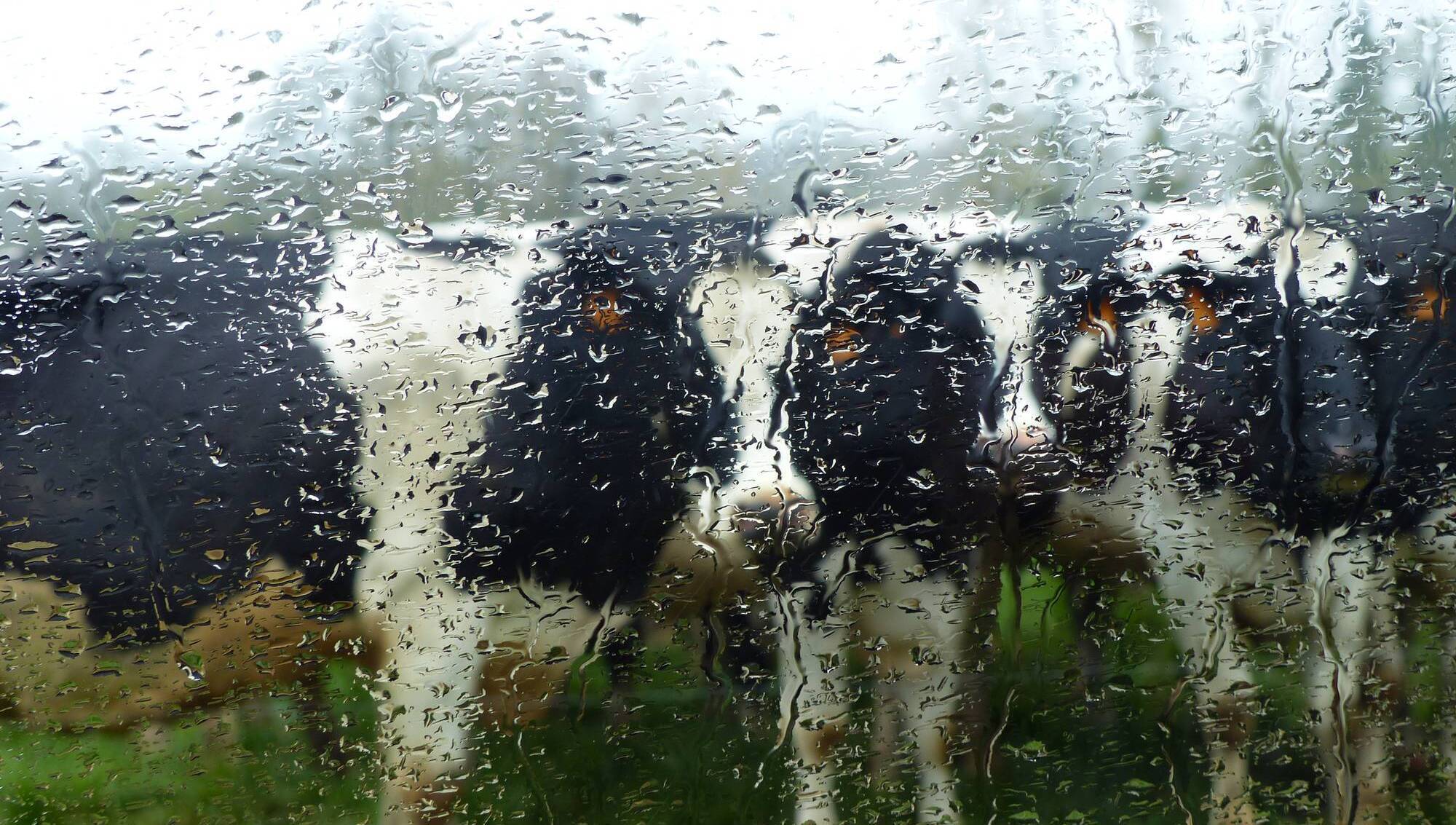
'As I type this, the rain is beating down outside, but is it too little, too late? It is the end of August, and many parts of the country have a 100mm soil moisture deficit.'
Yes, I am going to discuss the fodder shortage again this week, as recently we have seen the results of many feed supply surveys completed around the country and the results make for grim reading.
As I type this, the rain is beating down outside, but is it too little, too late? It is the end of August, and many parts of the country have a 100mm soil moisture deficit.
The rain this week, while welcome, will eventually grow September grass and unfortunately, I have never known September grass to be of great feed value.
Any silage made from now on will be very welcome but will need to be fed to lower-performing animals on the farm where possible. The surveys revealed a deficit and that needs to be bridged, and unlike 2018 when we were able to ship in fodder from the UK and mainland Europe, this option is not there this year.
The winter forage supply across Europe is facing severe deficits and is under immense strain heading into the winter of 2026/2027. Extensive heatwaves and a prolonged summer drought have devastated pastures and crushed key feed-crop harvests across western and central Europe.
The feed crisis is not just in Ireland, and how so many regions across Europe are being impacted highlights the severity of the situation.
- Depleted grass and early feeding: Extreme summer heat has dried out pastures and halted grass growth in traditional grazing areas. Livestock farmers in several countries have already been forced to dip into their winter silage reserves months ahead of schedule;
- Plummeting maize and animal feed crop yields: According to the European Commission's Joint Research Centre bulletin, summer crop yields have collapsed. Total European grain maize output is projected to drop drastically, with France's maize crop hitting its lowest levels in decades;
- Compounded tillage pressures: High temperatures shortened the grain-filling phase for winter crops. Combined with a poor straw yield, this has severely restricted structural fibre and bedding options all across Europe.
In countries of western and central Europe such as France, Germany, Austria, Czechia, Slovakia and Hungary, which are the worst affected areas, a persistent lack of rain and limited irrigation water have brought massive fodder deficits. France is seeing dropping milk production as winter stocks are fed early.
Read More
The countries of southern Europe where feed supplies are critical include Italy, Spain and western Romania. Severe heatwaves in these areas have scorched grazing lands. Animal feed costs are soaring, and Spain is actively seeing a drop in livestock numbers and milk production.
As we are well aware in Ireland, there are significant regional deficits. Teagasc national fodder survey indicates only 42% of farms are comfortably on target for winter, while more than 30% are facing significant deficits.
Some co-ops report more than 75% of suppliers face a major fodder gap. Obviously, this is regionalised, with the south and east being where the majority of deficits exist. For many, there was virtually zero growth for much of July and early August.
Grass growth fell to nearly half its normal rate in parts of the UK according to reports, but speaking to producers over there will tell you for many it was more like 90% less in some regions.
To adapt to the changing climate and any direct threat to food security, the agricultural sector is adopting several emergency measures.
Sowing: Farmers are increasingly looking at planting fast-growing, dual-purpose cover crops and hybrid grasses (like westerwolds, forage rye or Italian ryegrass) to build up alternative winter swards late in the season, with a view to early harvesting in 2027, before the next crop is planted. Some have also looked at forage rape and redstart after cereals, but time is moving on for them and you must have the forage rape grazed before it flowers in February.
Digestibility: Moving livestock diets towards locally grown cereal and straw diets, high in fibre to maintain animal appetite and health. This option is particularly useful for feeding finishing animals, young growing stock and dry cows.
European governments and farming bodies are easing environmental restriction schemes — such as allowing early mowing on protected lands — and, fingers crossed, fast-tracking financial aid to help farmers buy in feed.
For the Irish livestock sector, the option still remains to stock up on straw to bridge the forage deficit and complement it with locally sourced cereals.
If you are short on silage, it may well not be the thing you should go out and buy. Some maize silage also remains for sale. I was in yards last week where there were tens of thousands of bales of top-quality barley, wheat, rye and oat straw available for delivery.
Get it ordered ASAP as there is nothing worse than hoping you will have enough feeding, knowing full well you won’t!
- Brian Reidy is an independent ruminant nutritionist at Premier Farm Nutrition. His column features in the every Thursday.