Buzzing for biodiversity: How bees changed farming for a West Cork dairy farmer
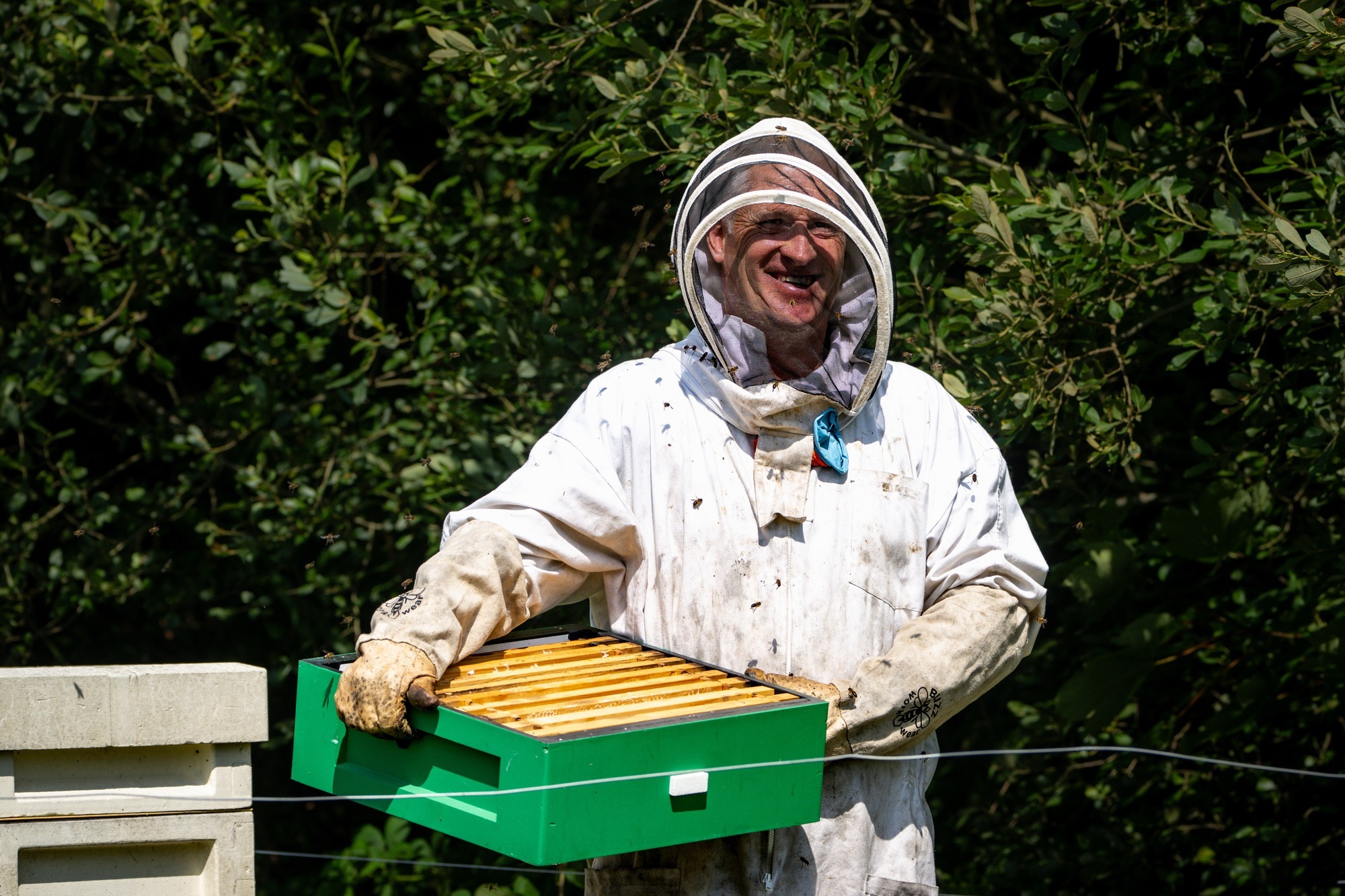
John Hurley inspects his homemade beehives as part of his efforts to encourage native pollinators on his family farm. Picture: Chani Anderson
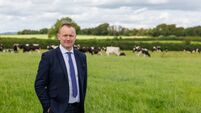
West Cork dairy farmer John Hurley has developed a passion for biodiversity that now influences everything from hedgerow management to spraying decisions, with nine bee hives becoming a focal point of his environmental efforts.
Originally a beef farm, Mr Hurley has worked on his farm his whole life, becoming the fourth generation to manage the family farm, converting it to a mixed dairy and beef enterprise when he took over the farm in the late 90s.
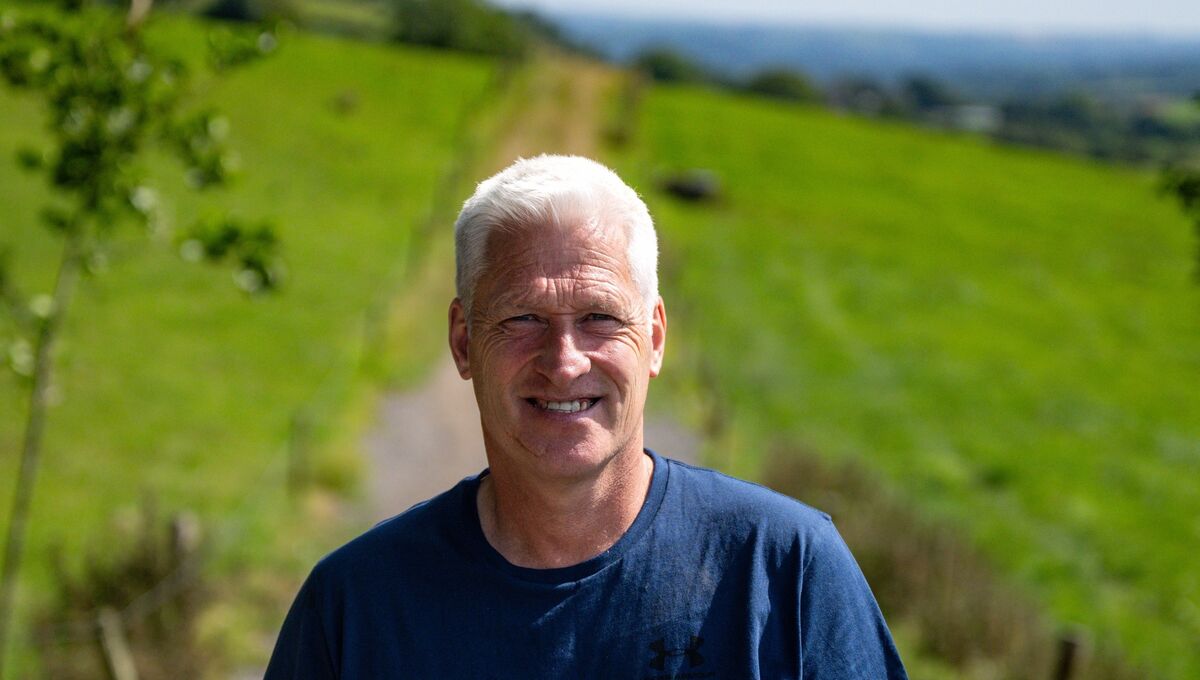
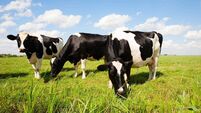
Mr Hurley farms alongside his wife, Marie, and their children Ciara, Caitlin, Sinead and Eoin. The family milks 130 Friesian cows and keeps a further 25 to 30 beef cattle, predominantly Aberdeen Angus.
He has been part of discussion groups since his takeover of the farm, but fostered an interest in biodiversity in 2015 after joining the Carbery Greener Dairies group. From that, the group learned about different measures that could be implemented on their own land, as well as visiting other farms to learn what they implemented.
Read More
In 2018, Mr Hurley completed a Diploma in Environmental Sustainability at University College Cork (UCC), which gave him a broader perspective on environmental successes and failures in Ireland and internationally.
Through this, he became more and more interested in the environment, biodiversity and what is happening around the world.
Mr Hurley believes that “biodiversity has always had a part in farming”, and that farmers play an important role in protecting and enhancing it.
Discussing the resilience of nature even without human intervention, Mr Hurley said: “Nature will always find a way.”
From his course, Mr Hurley saw a presentation from another student and fellow beekeeper, which sparked his interest in setting up hives for native pollinators on his own.
“He gave a presentation one day at the course about the bees and the way the bees work. I found it fascinating.”
![John Hurley: 'I learned a lot from them [the bees] as well because of the value of different plants and things such as farming, trees and shrubs, and what's going on through all the different times of year.' Picture: Chani Anderson](/cms_media/module_img/10331/5165971_5_articleinline_DSC_2721.jpeg "John Hurley: 'I learned a lot from them [the bees] as well because of the value of different plants and things such as farming, trees and shrubs, and what's going on through all the different times of year.' Picture: Chani Anderson")
After reaching out and learning from other local beekeepers and becoming involved in the local beekeeping association, Hurley established his first hive around 2020.
“I developed an interest in them, and I went from there,” he told the .
Since then, he has grown his passion to extend to nine hives of native Irish honeybees, which he manages with the help of his eldest daughter, Ciara.
For Mr Hurley, beekeeping remains a hobby rather than a commercial enterprise, using the honey at home or gifting jars to friends and family.
“It's a hobby, and that's enough for me.” Mr Hurley said the bees have opened up his eyes to the importance of flowering plants, trees and habitats throughout the year.
“I learned a lot from them [the bees] as well because of the value of different plants and things such as farming, trees and shrubs, and what's going on through all the different times of year.” He has developed a greater appreciation for seasonal food sources, crediting the bees in helping him become more aware of plants and biodiversity around him, from willow pollen in spring to bramble flowers in summer.
Following winter hibernation, normal hive activity begins when temperatures reach 10°C or higher. During the summer, some of his strongest colonies can contain as many as 50,000 to 70,000 bees.
During periods of hot weather, some of the larger colonies cluster outside the hive rather than remaining inside, helping regulate temperatures within the colony.
Keeping bees has also altered how he views the farm, giving him a greater appreciation for flowering plants such as willow, bramble and red clover and the role they play in supporting pollinators.
“If I have to use a herbicide or spray some weeds on the farm, the timing of that would be done around the bees, really. I would never do it during the day. It would always be in the evening when the bees would be gone,” he told the .
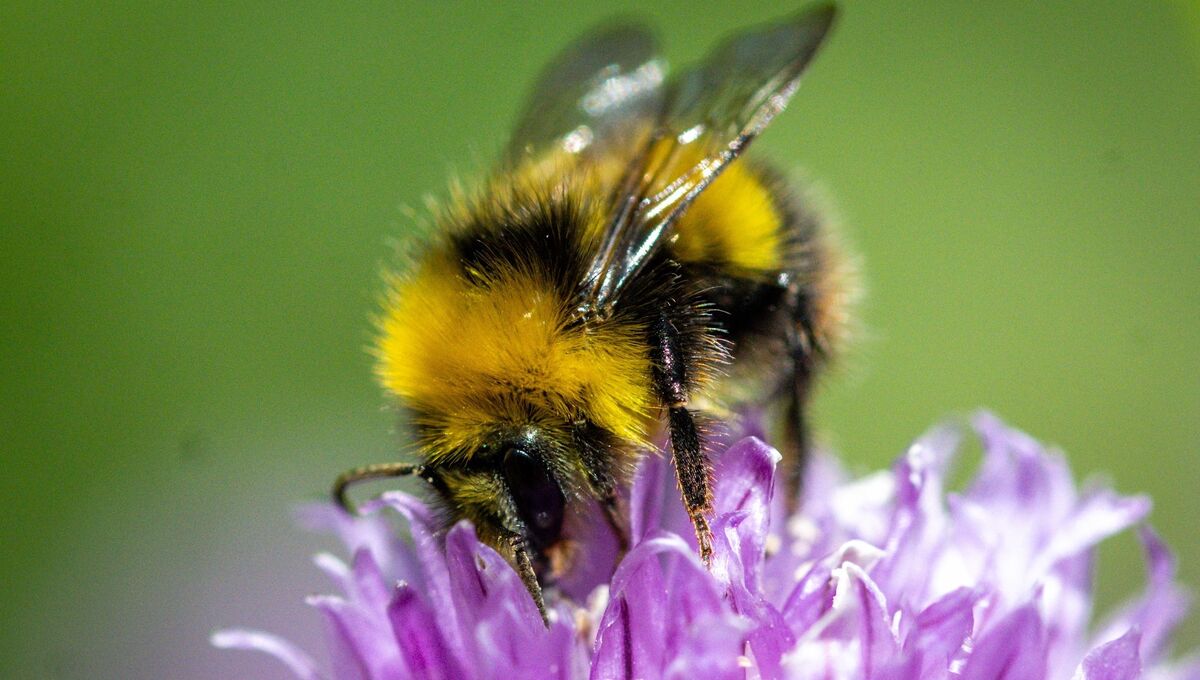
Mr Hurley also plans to allow a recently mowed red clover field to grow and flower for the bees' benefit. He believes his bees contribute positively to pollination locally, while also highlighting the importance of native pollinators such as bumblebees, saying: “There's still a lot of pollinators here, but definitely, I would think that it has enhanced our area.”
Mr Hurley, alongside other local farms, also set up the ‘Schools to Farm’ programme with support from their milk processor, Carbery. The programme, which has been running for four years, allows the farmers to invite and host local school children on the farms in an effort to bridge the gap between the younger generations and one of Ireland's oldest and indigenous sectors.
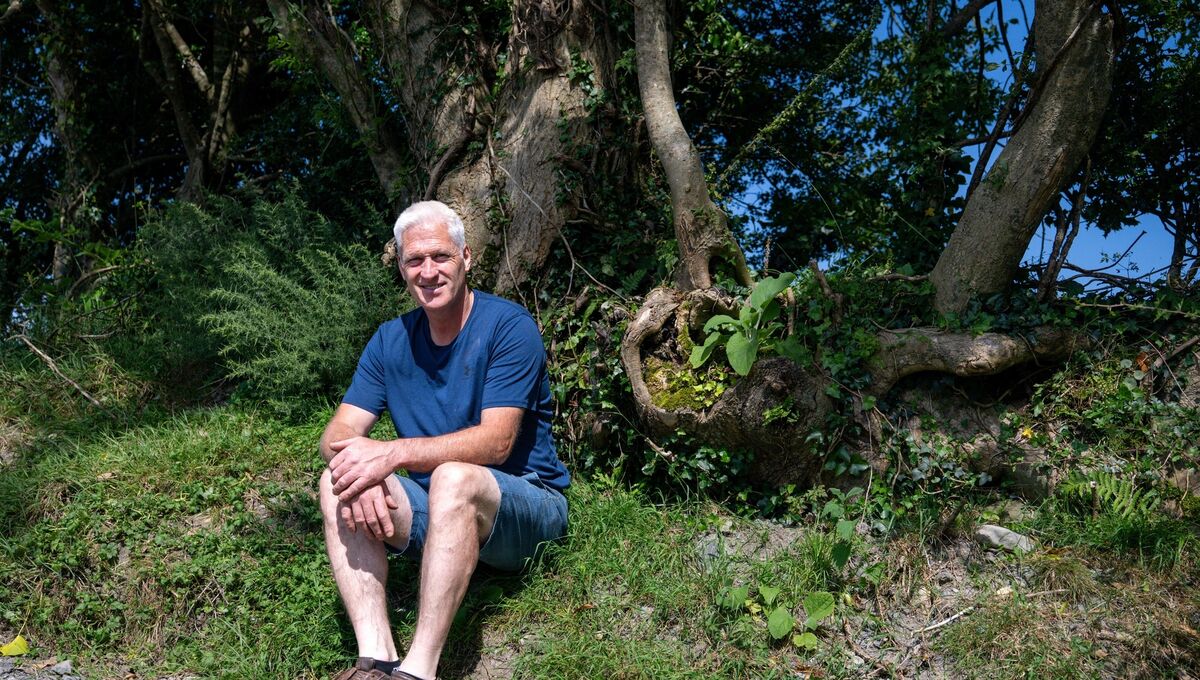
“We said that our younger people were losing touch with farming and where their food was coming from. So we decided to put together this program to bring maybe fifth class, sixth class, or the transition years from the secondary school out to the farm.”
On the Hurley farm, the students each get a sapling to plant to add to the farm's hedgerow and help improve and conserve biodiversity, planting native plants such as whitethorn, blackthorn, holly, as well as some beech.
The children usually tour the farm in the springtime to see the calves and watch cows get milked, and learn where their food comes from and the efforts of the local farmers to provide food while also maintaining the land around them.
Carbery also organises for a milk collection lorry to be on-site to show the groups how the milk is removed from the farm and transported to be processed for the shop shelves, as well as Carbery representatives to go a bit more in-depth into milk quality standards and farm management.
“The kids couldn't believe the amount of technology that we use today,” Mr Hurley explained.
Discussing what he hoped the children can take away from the farm visits he said: “I hope that when kids pass by our farm again in the next number of years, that they could say that ‘I visited that farm, I planted that hedge, I saw how to milk a cow there, I saw his calves in the shed’. I want to give them a good memory, and give them a bit of education as to where their food comes from.”
Looking to future developments on the farm, Mr Hurley puts a lot of emphasis on improving his hedgerows, saying they are a “nice feature” which improve aesthetics as well as offering habitats to local wildlife and food sources for his bees.
Viewing himself as a custodian of the land, Mr Hurley said he hopes to leave the farm in a better condition for the next generation than when he took it over.
“I'm coming to the age now where I have to start to look at succession and it's important for me as a farmer to look back on my career to say that I was a custodian of our farm here for the last number of years and it's wanting to hand that on better than how I got it and hope that legacy will continue for the future, it’s all about creating a sustainable future.”
A biodiversity mapping project carried out by Carbery across 980 supplier farms found that almost 20% of the land surveyed was devoted to "space for nature". On Mr Hurley's own farm, that figure was 21%.
“When it's been a highly productive dairy farming area and knowing that nature can thrive inside an area like that, it's a great story.”
He believes these findings demonstrate that productive dairy farming and biodiversity can coexist, and if every farmer actively participated and increased biodiversity on their farm, it would make a large impact across Ireland.
While biodiversity measures can sometimes seem daunting, Mr Hurley believes meaningful change starts with small actions. "It's the small steps, the small measures, that will add up to quite a lot throughout the whole country."