Denis makes the most of the weather on his calf-to-beef farm
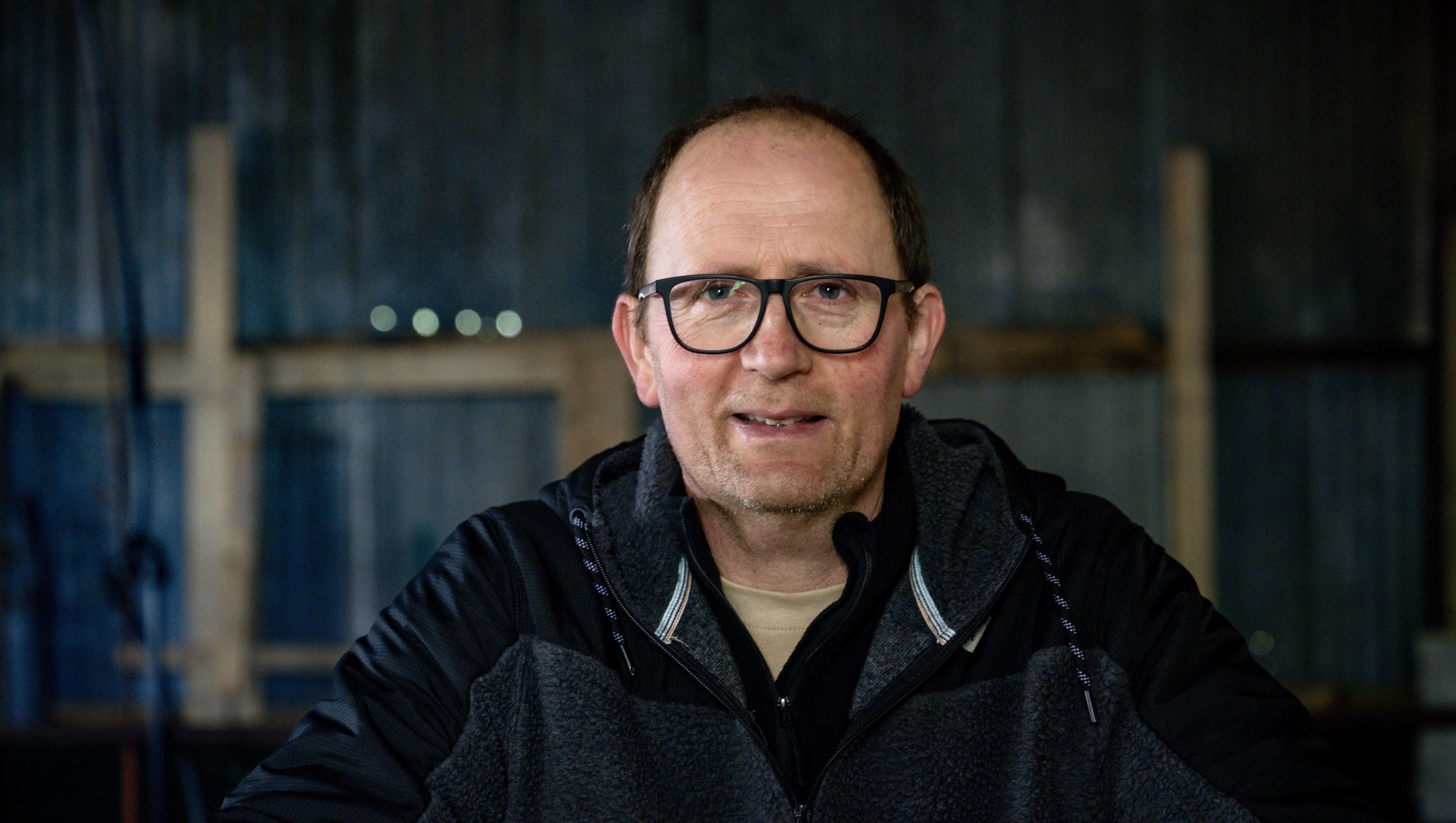
Denis Hickey, who recently returned to farm the family land after it was leased for more than 30 years, at his dairy beef farm near Midleton in Co Cork. Picture: Chani Anderson
The month of June has been a busy one here on the farm. Thankfully, the weather has been on our side for most of it.
We took advantage of the dry spell at the end of the month to make hay. A four-acre paddock that had become too strong for grazing was cut and baled on June 25.
It isn't every year that the weather allows you to make hay, so when the opportunity came along, we took it. In total, we made 380 small square bales. These will come in handy as a source of roughage for calves at grass.
Grass growth really took off during June and, while that sounds positive, it became increasingly difficult to manage over the past few weeks. A number of paddocks became too strong for grazing, so we removed them for baled silage.
This has helped keep the grazing platform under control and ensures the cattle continue grazing leafy, high-quality grass rather than stemmy covers.
There is still slurry in the slatted tank and we plan to spread this on paddocks where the silage bales have been removed. The aim is to spread it while the ground is bare. We won't apply it too heavily, reducing the risk of dry weather leaving it caked on the grass.
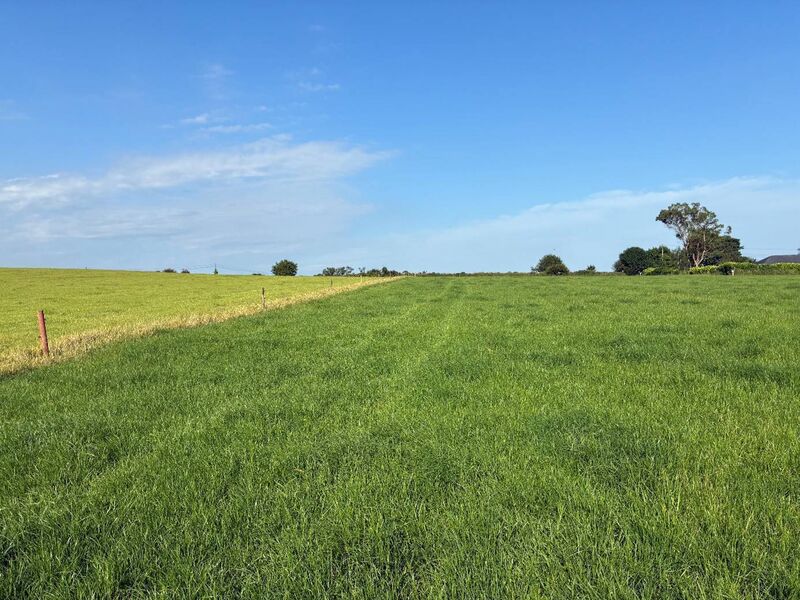
The grazing paddocks will receive a bag of 18:6:12 to keep grass growing and help prevent it becoming stressed, shooting to seed and losing quality. Rather than spreading small amounts every week, we generally wait until enough paddocks are ready so a full bag of fertiliser can be used in one application.
I managed to get the grass reseed sown on May 26. It was sown in excellent conditions and rolled the following evening.
Although it received little or no rain during the first 10 days, 30mm of rain on the first weekend in June resulted in good germination and there is now a healthy grass cover.
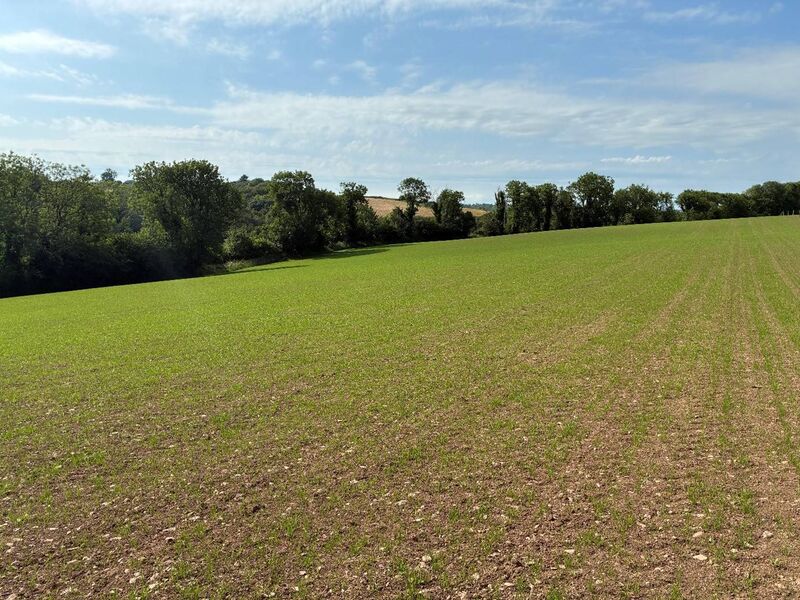
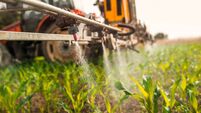
The reseed is approaching the ideal stage for spraying and I plan to apply ProClova shortly to control seedling docks and other weeds. Rabbits remain a problem and have heavily grazed the headlands beside the ditches.
The plan is to move the strongest calves onto the reseed over the next couple of weeks, once the plants can withstand the 'pull test'. Calves are ideal for the first grazing because they are light and cause very little damage.
Grazing the reseed early encourages tillering, thickens the sward and helps it perform well for years to come.
All of this year's calves are now out at grass. It is always satisfying to have the calf-rearing shed emptied and another calf-rearing season completed.
The calves have settled well and appear to be thriving. I think keeping them indoors that little bit longer this spring has helped make the transition easier.
We have divided them into two grazing groups. The main group consists of 80-85 calves. These are the earliest-born and strongest calves, and they are currently receiving 1.5kg of concentrates each day.
The lighter and later-born calves, a group of 15-20, have been kept separate and are receiving additional concentrates. Every year there are a small number that simply need a bit more attention, whether because they had a slower start or have not performed as well as the others.
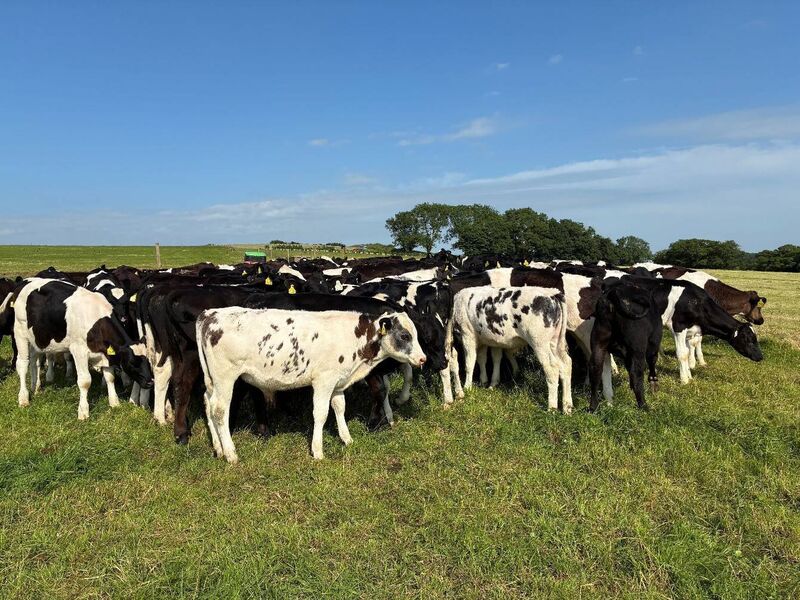
I find it makes more sense to separate them rather than feeding every calf at the higher rate. It allows us to target the extra meal where it will have the greatest benefit.
Any calf that improves over the coming weeks can rejoin the main group, while any calf that falls behind in the larger group can be moved back into the smaller one.
The yearling cattle continue to graze in two groups, with heifers in one group and steers in the other. They appear to be thriving.
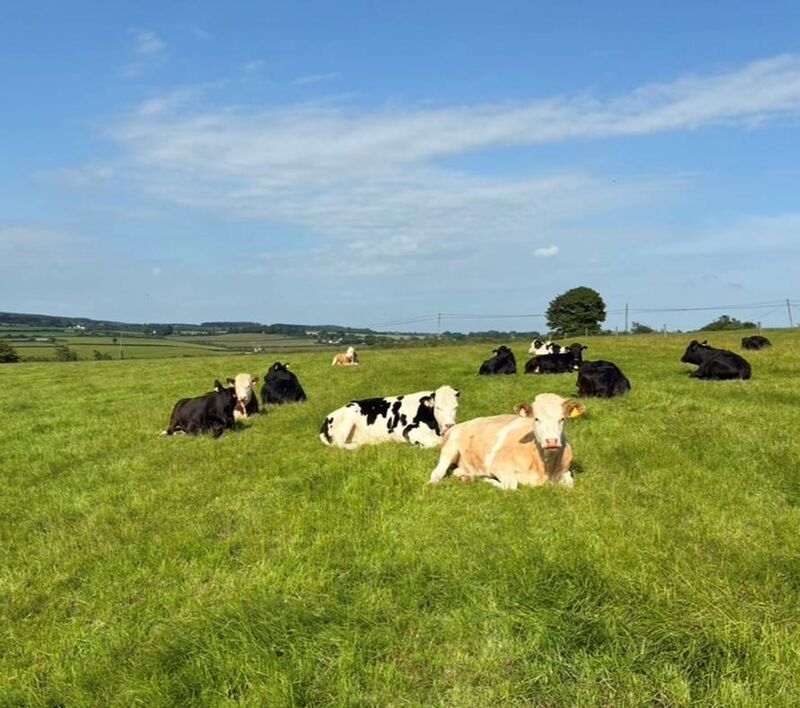
I plan to weigh them again in a few weeks to monitor performance and, at that stage, there should be some ready to draft for finishing.
Overall, things are progressing well at present. There is always plenty to do, but healthy cattle, strong grass growth and decent weather certainly make farming more enjoyable.
As always, the challenge is making the most of the opportunities when they arise because, as we all know, the weather never stays settled forever.
- Denis Hickey runs a calf-to-beef operation outside Midelton, Co Cork. His Teagasc DairyBeef500 advisor is Gordon Peppard.