Almost 60% of septic tanks failed inspection last year, EPA report finds
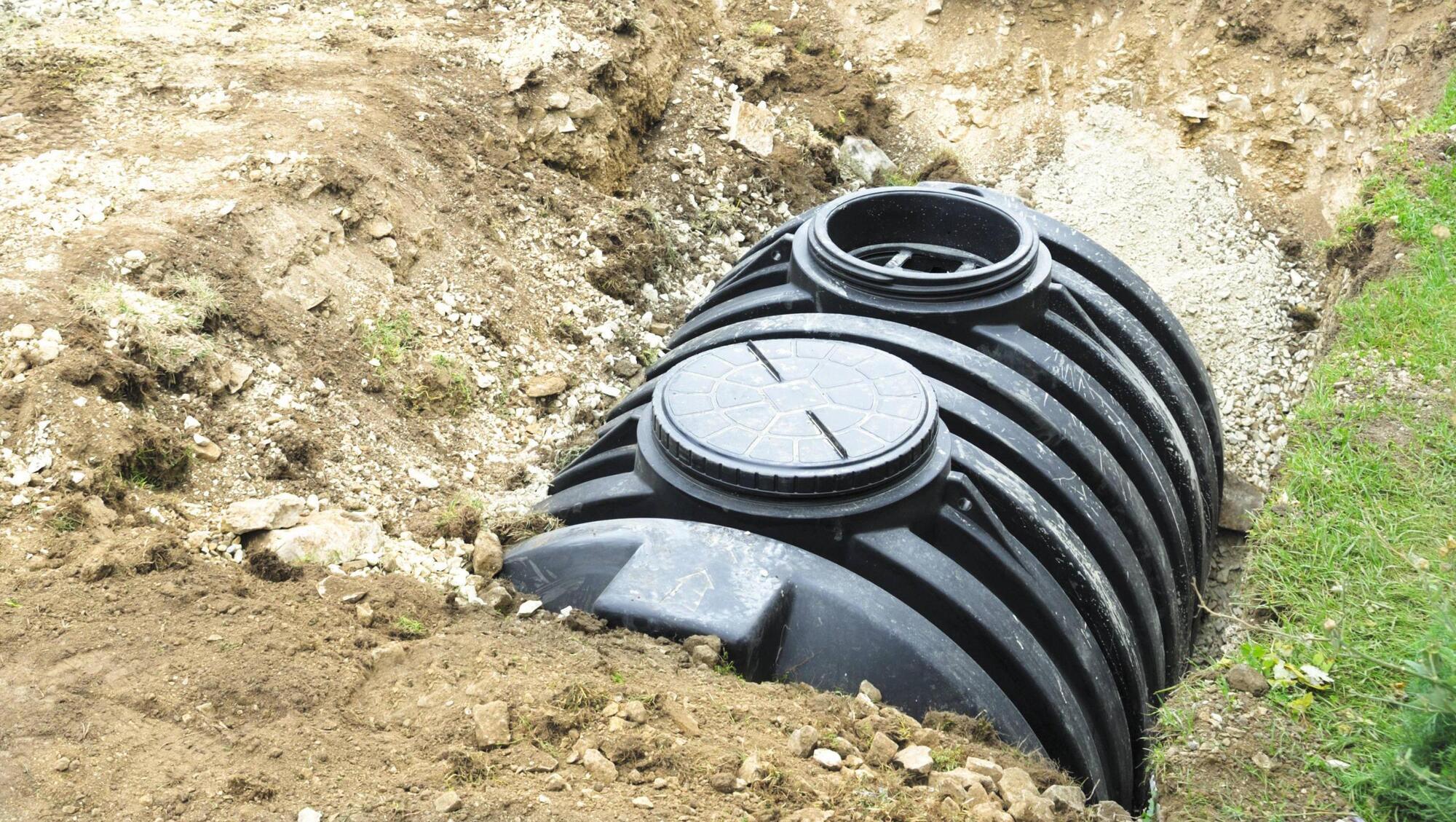
When septic tanks fail inspection, local authorities issue advisory notices to householders setting out what is required to fix the problem. File picture 

When septic tanks fail inspection, local authorities issue advisory notices to householders setting out what is required to fix the problem. File picture 

Almost 60% of septic tanks failed inspection last year, putting drinking water wells and rivers at risk, the Environmental Protection Agency (EPA) has found.

Cork City had the lowest number of identified septic tank failures fixed in the country, with just 29% of broken septic tanks repaired at the end of 2025.

Carlow, by comparison, had fixed 100% of failures by the end of 2025 and Wicklow had fixed 98%.

Co Cork had 82% of broken septic tanks fixed by the end of last year.

Local authorities completed 1,466 septic tank inspections in 2025 targeting areas of greatest risk from an environmental and health perspective, the EPA said.

Of these, 59% (863) failed inspection with many posing a risk to nearby rivers and drinking water wells.

Since 2013, 7,212 septic tanks failed inspections, with 84% fixed by the end of 2025.

The EPA on Tuesday released the report on domestic waste water treatment system inspections 2025, which details the findings of septic tank checks completed by local authorities in 2025.

The systems are used by homeowners to treat waste water. There are nearly 500,000 in Ireland, mostly septic tanks.

Faulty systems pose a risk to human health from harmful bacteria and viruses through the contamination of drinking water wells, and can pollute rivers and streams through releases of nutrients such as nitrogen and phosphorus.

When septic tanks fail inspection, local authorities issue advisory notices to householders setting out what is required to fix the problem.

The number of failed systems with advisory notices unresolved for longer than two years reduced from 523 in 2024 to 442 in 2025.

Commenting on the report, Pat Byrne, director of the EPA’s office of radiation protection and environmental monitoring said: “The gradual increase in the number of faulty septic tanks being fixed by homeowners since 2013 in response to failed inspections is welcomed, as these are in the areas of greatest risk to rivers and drinking water wells.

“This has been aided by increased government grant aid and greater enforcement activities by proactive local authorities. However, more consistent and sustained enforcement is needed.”

Grant schemes 

The grant schemes for remediation of septic tanks were amended in 2024 and increased from €5,000 to €12,000.

There were 460 grants awarded in 2025, totalling nearly €4.77m, up from 265 grants awarded in 2024.

EPA programme manager Noel Byrne said: “In 2025, 59% of inspected septic tanks failed. This is a worrying statistic, as many homeowners may be exposing their families to health risks from contaminated private wells, or polluting local rivers, often without realising it.

"Regular checks and routine maintenance of septic tanks by homeowners can prevent minor issues becoming major problems, helping to protect their family’s health and the environment. Where eligible, homeowners should also make use of grant support of up to €12,000 to remediate faulty systems.”

There was a shortfall in inspections by three local authorities (Donegal, Fingal, and Wexford) in 2025 and this shortfall must be made up in 2026, in addition to the planned inspections, the EPA said.

x

More in this section

Lunchtime News

Newsletter

Get a lunch briefing straight to your inbox at noon daily. Also be the first to know with our occasional Breaking News emails.

Cookie Policy Privacy Policy Brand Safety FAQ Help Contact Us Terms and Conditions

© Examiner Echo Group Limited