Drinks industry is a government 'cash cow' but Irish brewers need a 'level playing field'
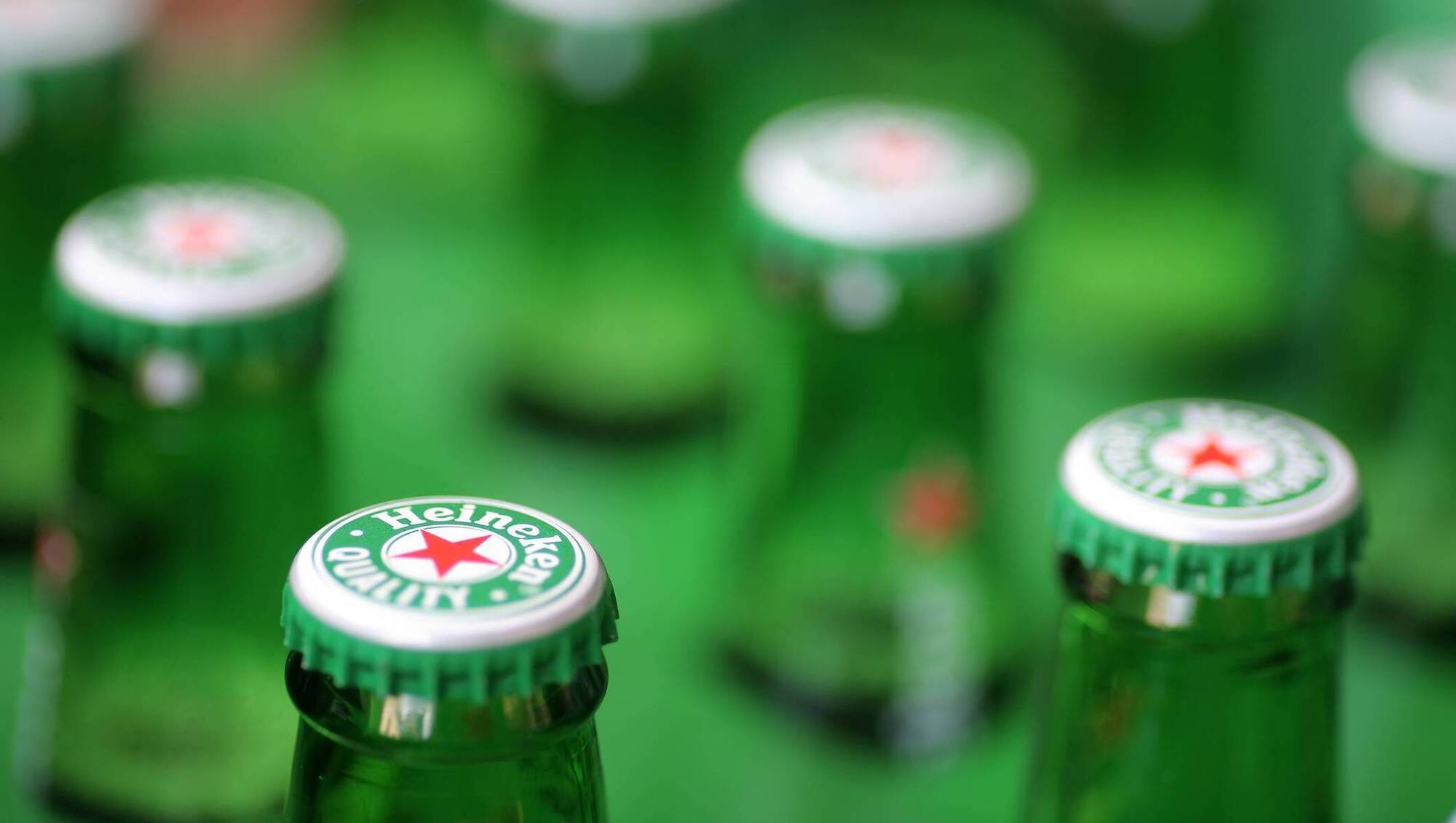
A new ‘partnership agreement’ means that Heineken Ireland brands such as Heineken, Heineken 0.0, Birra Moretti, Orchard Thieves, Beamish, Murphy’s, and the SERVED range of pre-mixed cocktails will be available at Aiken and POD events such as Live at the Marquee in Cork, the All Together Now festival, and the Boucher Road concert series in Belfast. File picture
Grain growers are calling for government scrutiny of festival and concert exclusivity deals that they say disadvantage Irish microbreweries.
Former IGGG chairman Bobby Miller said the sector delivers exceptional returns to the State, describing it as “a huge revenue stream for the government.”
Mr Miller explained that “the value of grain in a bottle of beer is 2.5 cents,” adding that beer sales in pubs and at events can generate up to €100,000 per acre of malting barley for the Irish Government.
“The value the drinks industry adds is phenomenal for the government in itself.”
Read More
Mr Miller sympathised with fellow grain grower David Walsh-Kimmes, who also brews his own beer in Co Laois, who took to social media after the Bloom festival following the announcement of a new ‘partnership agreement’ signed between Heineken and Aiken and POD events, which will see Heineken having pouring rights for their products and brands across 38 concerts and three festivals this year.
The agreement, which takes effect from this summer and plans to be “further enhanced during 2027 and beyond”, means that Heineken Ireland brands such as Heineken, Heineken 0.0, Birra Moretti, Orchard Thieves, Beamish, Murphy’s, and the SERVED range of pre-mixed cocktails will be available at Aiken and POD events such as Live at the Marquee in Cork, the All Together Now festival, and the Boucher Road concert series in Belfast.
Mr Miller said partnership agreements such as these should be “reviewed and examined” by the government and see what “they can do, and how they can intervene” to offer Irish brewers a chance at major events and festivals.
“We're trying to add value to our native Irish grain and anything that can help the small producers that are mostly based in rural areas should be on the cards,” Mr Miller said.
He also argued that supporting Irish brewers aligns with climate targets: “Native Irish grain has a very low carbon footprint, and we are heading towards carbon zero, and that's what the government want as well from what’s being produced off the land.
“Our [grain growers] carbon footprint compared to other ag sectors is extremely low; it's four times less than beef and eight to 10 times less than dairy farming.”
Mr Miller said a licence for smaller brewers at events would provide “a huge boost or injection of sales for small breweries like Ballykilcavan Brewery and help with their survival.”
Concluding, Mr Miller said that highlighting the issue of partnership agreements wasn’t an attack on the major drinks companies but questioned why Irish microbreweries are not being given a “level playing field” to access major events and sales opportunities.