Ask a solicitor: I was sold a defective bull — what can I do?
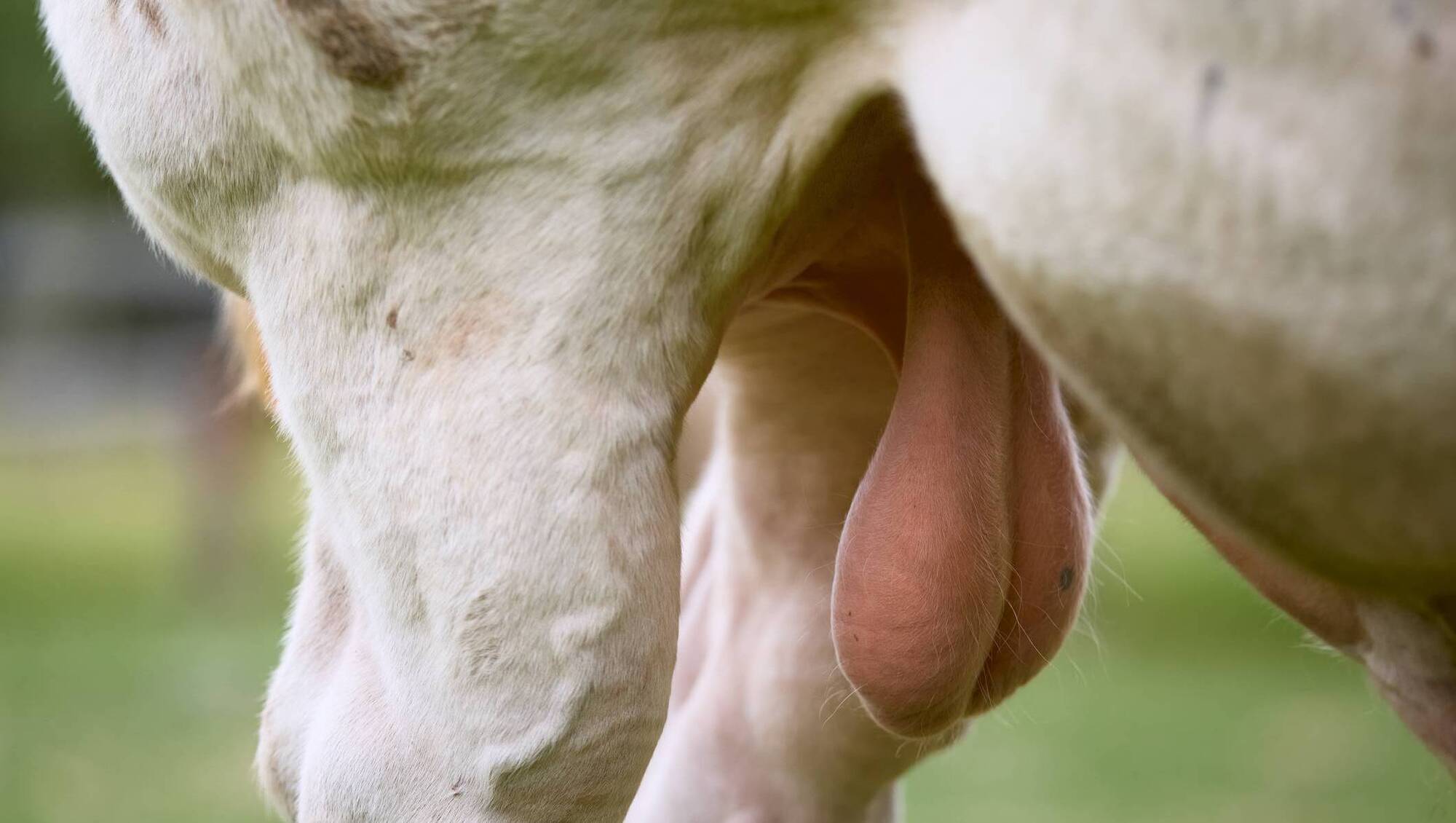
The fact that the bull is subfertile rather than completely infertile does not necessarily prevent a claim arising, writes rural solicitor Karen Walsh.
Dear Reader,
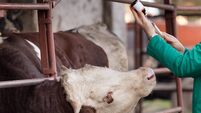
This is a very difficult and unfortunately quite common issue in farming, particularly during breeding season, where the fertility of a stock bull can have a major financial impact on an entire herd.
While complete infertility in bulls is relatively uncommon, sub-fertility is a far more frequent issue. A sub-fertile bull may still get some cows in calf, but often only after repeated services over a prolonged period.
The result can be delayed calving, empty cows, a prolonged breeding season, and substantial financial losses arising from lower productivity and increased feeding and housing costs.
Read More
The first issue that must be examined is the nature of the sale itself. There is an important distinction between a pedigree sale governed by auction conditions and a private sale between two farmers.
In your case, because this was a private sale, much will depend on what representations were made by the seller before the purchase.
If the seller specifically stated that the bull had previously worked successfully with cows, had no fertility issues, or was suitable for breeding purposes, those statements may potentially amount to warranties or representations which induced you to purchase the animal.
Evidence becomes extremely important in disputes of this nature. Any text messages, advertisements, online listings, mart catalogues, or WhatsApp correspondence referring to the bull’s fertility or breeding history should be retained carefully. Veterinary reports and fertility testing results will also be crucial.
In reality, sub-fertile bulls can often cause even greater practical difficulties because the issue may not become obvious until significant time has passed and the breeding season has already been disrupted.
The seller may attempt to argue that the fertility issues developed after the sale or were caused by illness, injury, poor management, nutrition, or stress while the bull was under your care.
For this reason, veterinary evidence regarding the likely duration and nature of the fertility issue can be very important.
Where a dispute arises, the court would likely examine matters such as:
- What representations were made before the sale;
- Whether the purchaser relied on those representations;
- The condition and age of the bull;
- Veterinary and fertility evidence;
- The timing of the discovery of the problem;
- Whether the losses claimed were reasonably foreseeable.
Depending on the circumstances, a purchaser may potentially seek reimbursement of part or all of the purchase price together with compensation for consequential losses.
These losses might include additional feeding costs, veterinary expenses, delayed calving losses, repeat breeding costs, or the cost of sourcing replacement stock.
However, practical considerations are important. Litigation can be expensive and, in many cases, legal costs may exceed the value of the claim itself. For that reason, these matters are often best resolved through negotiation once veterinary evidence is obtained.
It is advisable, where possible, that bulls intended for breeding purposes undergo fertility testing before purchase, particularly where substantial sums are involved.
You should engage a solicitor promptly and provide them with all correspondence, veterinary reports, invoices, and details relating to the purchase.
Early legal advice is important both from an evidential perspective and in attempting to resolve the matter before positions between the parties become entrenched.
Karen Walsh, from a farming background, is a solicitor practising in Walsh & Partners, Solicitors, 17, South Mall, Cork (021-4270200), and author of Farming and the Law. Walsh & Partners also specialises in personal injury claims, conveyancing, probate and family law.
Email: info@walshandpartners.ie
While every care is taken to ensure the accuracy of information contained in this article, solicitor Karen Walsh does not accept responsibility for errors or omissions howsoever arising, and you should seek legal advice in relation to your particular circumstances at the earliest possible time.