Finishers hit by losses as break-even beef price reaches €8.22/kg
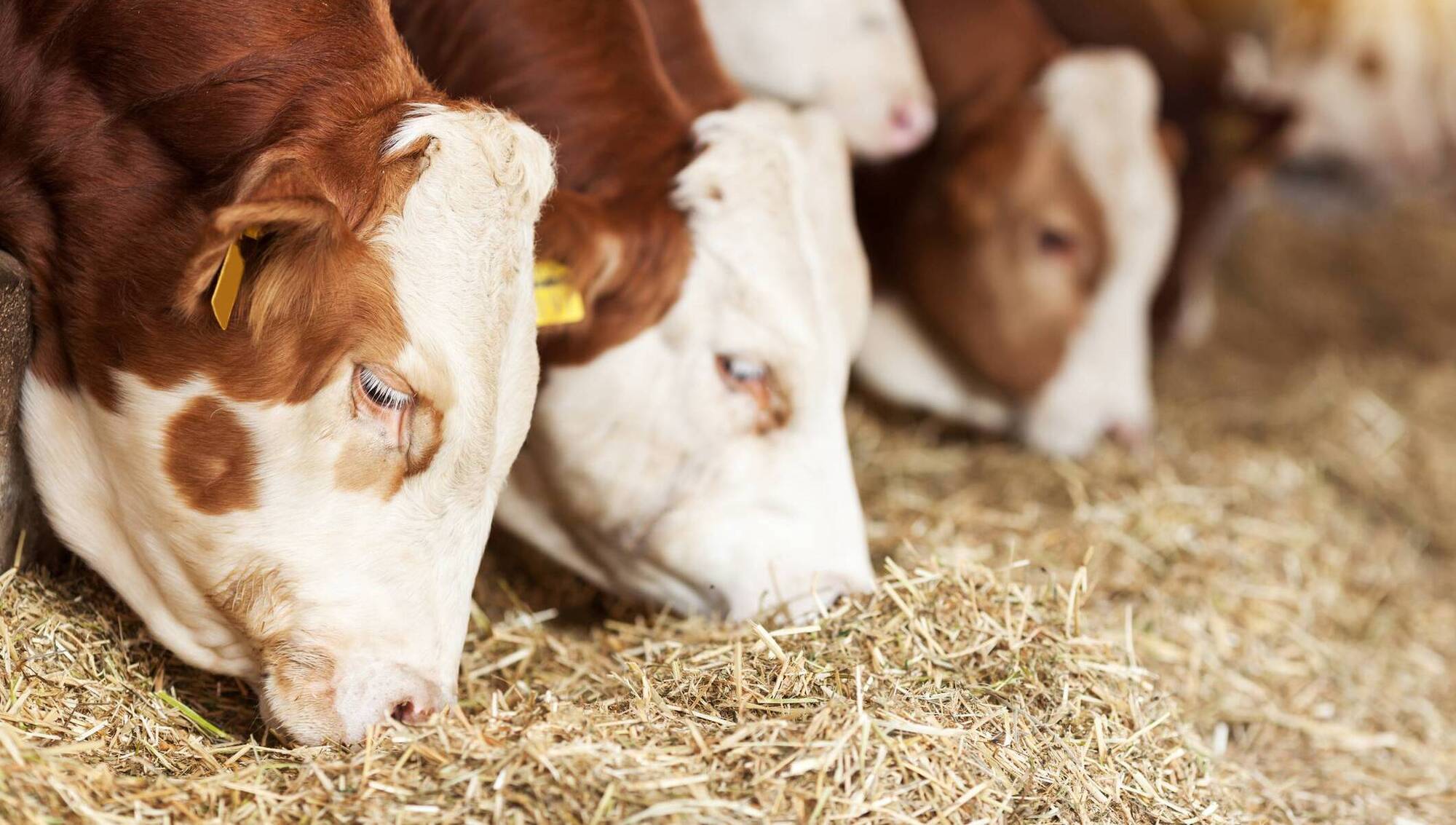
The variable costs and the fixed costs associated with calf-to-beef systems, where the plan is to kill these animals at two years old, is currently around €1,400
Finishers hit by losses as break-even beef price reaches €8.22/kg

Teagasc beef specialist David Argue recommended purchasing animals for finishing which have the best potential to achieve satisfactory daily lightweight gains.

Even before the significant price rise for nitrogen fertiliser, and expected price rises for meal and agricultural contractor services, beef farmers have suffered considerable losses, said Teagasc beef specialist David Argue in a recent Beef Edge podcast.

He said young bulls for killing in May to mid-June, after a 230- to 240-day finishing period, will have to sell for €3,535, or about €8.22 a kilo, to break even.


He also calculated budgets for a forward heifer or forward steer system. “That system showed a loss of up to €320 per head”.

Argue also reported on his research into dairy calf-to-beef production costs. He used the example of an Angus or Hereford bull calf purchased in mid to late February 2026. 

“The variable costs and the fixed costs associated in any of these calf-to-beef systems, where the plan is to kill these animals at two years old, is about €1,400,” he said.

If we add that €1,400 plus the price of the calf, which is €460, we're looking at a break-even selling price required of €1,860 per animal. 

"In these systems, we're targeting a 310-312kg carcass in the likes of Angus and Hereford steers, so if we divide that 310 kilos into our €1,860, you're looking at about €5.98 a kilo.

“That is just to cover the cost of the system. If the farmer decides they want to make €100 per head on these animals or €200 per head on these animals, you know, every additional €100 margin that the farmer requires in this system is going to require an additional 32 cents,” he said.

He said it will be vital to calculate the costs of production on each farm.

He also recommended purchasing animals for finishing which have the best potential to achieve satisfactory daily lightweight gains.

“Silage quality is going to be one of the key areas that we can focus on to try and ensure that these animals get the best possible chance,” he suggested. “Try to maintain quality in the sward over the summer months. Monitor animal health and treat for any parasites if needed,” he advised.

“Monitor performance where possible. Get animals in, get them weighed, and make sure that they're on target for where we want them to be at different times during the year.

“We can easily estimate what price we're going to require per kilo for our beef at the end of the year by completing a simple budget for ourselves at this time of year, before we start buying these animals,” Argue said.

Rising farm input costs

He assumed good animal performance, meal costing €340 a tonne, silage of DMD 73-75%. He calculated transport and levy costs at €40-45 per animal, and a 7% interest rate on half the animals bought and half the feed.

His budgets for a 400-kilo young bull bought in October for killing this summer at 730 kilos assumed 59% kill out (carcass weight 430 kilos).

The bull would have eaten about four tonnes of silage and about 1.9t of meal, making a daily average lightweight gain of about 1.4kg. The purchase price of the young bull was estimated at €6.34/kh.

Costs for meal, silage, vet, transport and levies, depreciation on machinery, depreciation on buildings, car, phone, ESB, interest on the loan, etc., come to a total of about €1,000. Hence, the €3,535 break-even selling price, or about €8.22/kg.

“When I completed these budgets a couple of weeks ago, the base price for these under 16-month bulls was about €6.70 a kilo,” said Argue.

“So if we take €6.70, assuming he meets the quality assurance spec, which is €0.12, and then we'll say €0.21 on the grid, we would be assuming he would grade between a U= and a U+, that animal was coming in about €3,023, which meant that it was a loss of €512 in that under-16 month bull from last back-end until killing this summer time.”

The calculation is based on purchasing a good-quality young bull. 

“Poor quality animals that didn't grow on as well, or were behind on weight for age at the time of buying, it's very unlikely that those animals are going to achieve a high daily lightweight gain or meet the targets that we talked about. Therefore, they're going to require a much higher selling price to cover the cost of that system,” Argue said.

“Cattle that were bought last autumn that are being slaughtered over the last number of weeks, they are unfortunately losing money.”

For a forward heifer or forward steer system showing a loss of up to €320 per head, every 10c drop in the selling price would add €40 or more to the loss.

With under 16-month bulls, eating up to two tonnes of meal, 16-18 cents a kilo on top of the break-even price would be needed, if the meal cost increased by €20-€40 a tonne.

x

More in this section

Farming

Newsletter

Stay ahead of the season. Sign up for insights, expert advice and stories shaping Irish agriculture.

Cookie Policy Privacy Policy Brand Safety FAQ Help Contact Us Terms and Conditions

© Examiner Echo Group Limited