Brian Reidy: Is it a good idea to cut costs by feeding calves less meal?
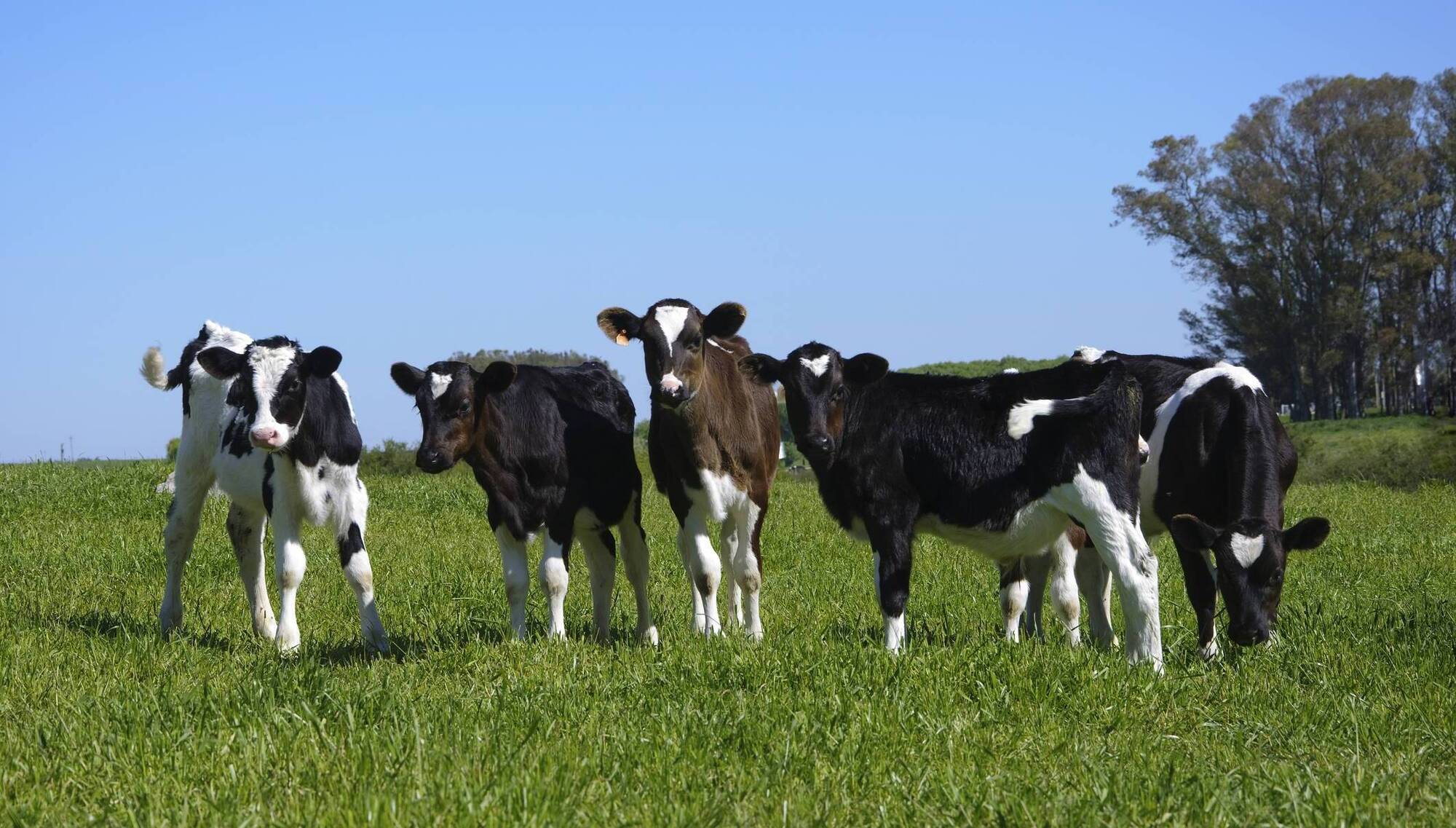
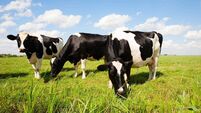
To successfully feed dairy replacement heifer calves at grass, focus on a gradual transition from housing to grazing, high-quality grassland management, consistent supplementation to prevent growth checks and digestive upsets and a targeted preventative programme around dosing and vaccinations.

There has been lots of chat this week about feeding meal to calves. A lot of lads are watching costs, trying to reduce their costs with poorer or less meal to all stock.
But if you want more milk, and the genetics for it are already there, but you are not achieving extra volume, then you must up your calf-rearing game.
Many years ago, a man told me, “If you wrong a calf, you wrong yourself”. He was right then, and he is still right now, even in times of rising costs.
To successfully feed dairy replacement heifer calves at grass, focus on a gradual transition from housing to grazing, high-quality grassland management, consistent supplementation to prevent growth checks and digestive upsets and a targeted preventative programme around dosing and vaccinations.
Remember that calves are at different ages throughout their first grazing season, and management strategies implemented may suit some more than others.
With this in mind, it is worth considering the running of more than one group of calves this summer in order to provide a more tailored and age-appropriate management.
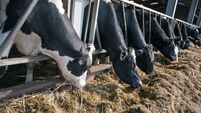
Only turn out healthy, correctly weaned calves that have been consuming at least 2kg of a top-quality concentrate daily for a few weeks. Poorer quality concentrates have no place in the diet of a calf on milk and post-weaning.
Inferior ingredients add nothing to animal performance and hold calves back. Pay close attention to the label of the concentrates you are buying.
Top-quality ingredients promote better digestion and offer more energy. Fillers add nothing, only making the formulation cheaper. Liveweight gain in calves is the cheapest and most efficient in their lives; don’t compromise on it.
The best calf rearers feed ad lib around weaning and in the weeks post weaning, and when they can’t quantify how much their calves are eating, then calves are performing at their optimum.
Move calves to a well-sheltered paddock in favourable weather. Avoid lush, high-nitrogen pastures immediately post-turnout to prevent digestive upsets.
Summer scours has become famous, but in reality, it is simply acidosis for baby ruminants. Start with slightly stronger swards to provide more fibre in the first seven to 10 days and offer them everything they were eating inside during this period, including straw and meal.
Once settled on grass, target pre-grazing covers of 1,000–1,200 kg DM/ha. They don’t have big mouths like their mothers yet, so don’t expect or force them to eat the same grass as them efficiently.
Ideally, aim to move each batch to fresh grass every 3–4 days to prevent calves from being forced to eat poorer quality material and also regrowth, which can cause acidosis.
Ensure clean, fresh water is always available.
- Clean all troughs out thoroughly before calves enter the paddocks, and ideally locate straw and meal feeders close to water troughs to help encourage intakes of both.
- Ensure water troughs are at an appropriate height for young calves to optimise access and intakes.
Continue feeding 1.0–2.0 kg/day for at least 5–6 weeks post-turnout to ease the transition. If grass quality and weather are excellent, meal can be reduced by mid-June but, in my view, should never be eliminated.
Any poorer weather, where it is wet or colder than normal, will depress grass intake, and calves will not gain weight in those days. Even 1kg of meal has a massive effect as it requires a calf to have to eat 5 to 6 kg of fresh grass less each day to have the same Dry Matter intake.
In terms of feeding facilities, aim to provide more trough space than is deemed necessary in order to prevent bullying. If birds are an issue around the feeding area, consider the option of covered feeders.
Many herds now batch feed calves, where they might give the calves that are stronger and on or above target a base feed and the smaller less advanced group get a higher volume of meal. This is a big benefit to dividing calves.
Provide access to dry straw in the field for at least the first two months post-turnout. This helps stabilise rumination and prevents digestive upsets.
Aim for a target daily gain of 0.8–1 kg/day. Where possible, weigh calves at turnout, mid-season, and at housing to ensure they are on track.
There is no point in weighing maiden heifers next spring when it is too late to do anything about it. By next spring, if you have to weigh them to establish if they are big enough to breed, then they are not big enough, as by then you should be able to judge that by simply looking at them.
Loading meal into them next winter/spring that should have been fed to them this summer and autumn is not very smart, as most of that meal will go towards animal maintenance and additional gain will be marginal.
: Observe calves daily for signs of illness like coughing (hoose) or loose dung (stomach worms). Use faecal egg counts to determine when dosing for parasites is necessary rather than treating on a set schedule.
If you have had historical issues with coccidiosis, then prevention is always better than cure. Consider routine treatments at turnout and a second dose at a set period post-turnout or inclusion of treatment in the concentrate being fed.
Have a calf rearing strategy. Devise it around previous performance, previous issues and future targets. Build any strategy around where you want your herd to go.
- Brian Reidy is an independent ruminant nutritionist at Premier Farm Nutrition.