Same cow, different year: Why early feeding still matters even when times are tight
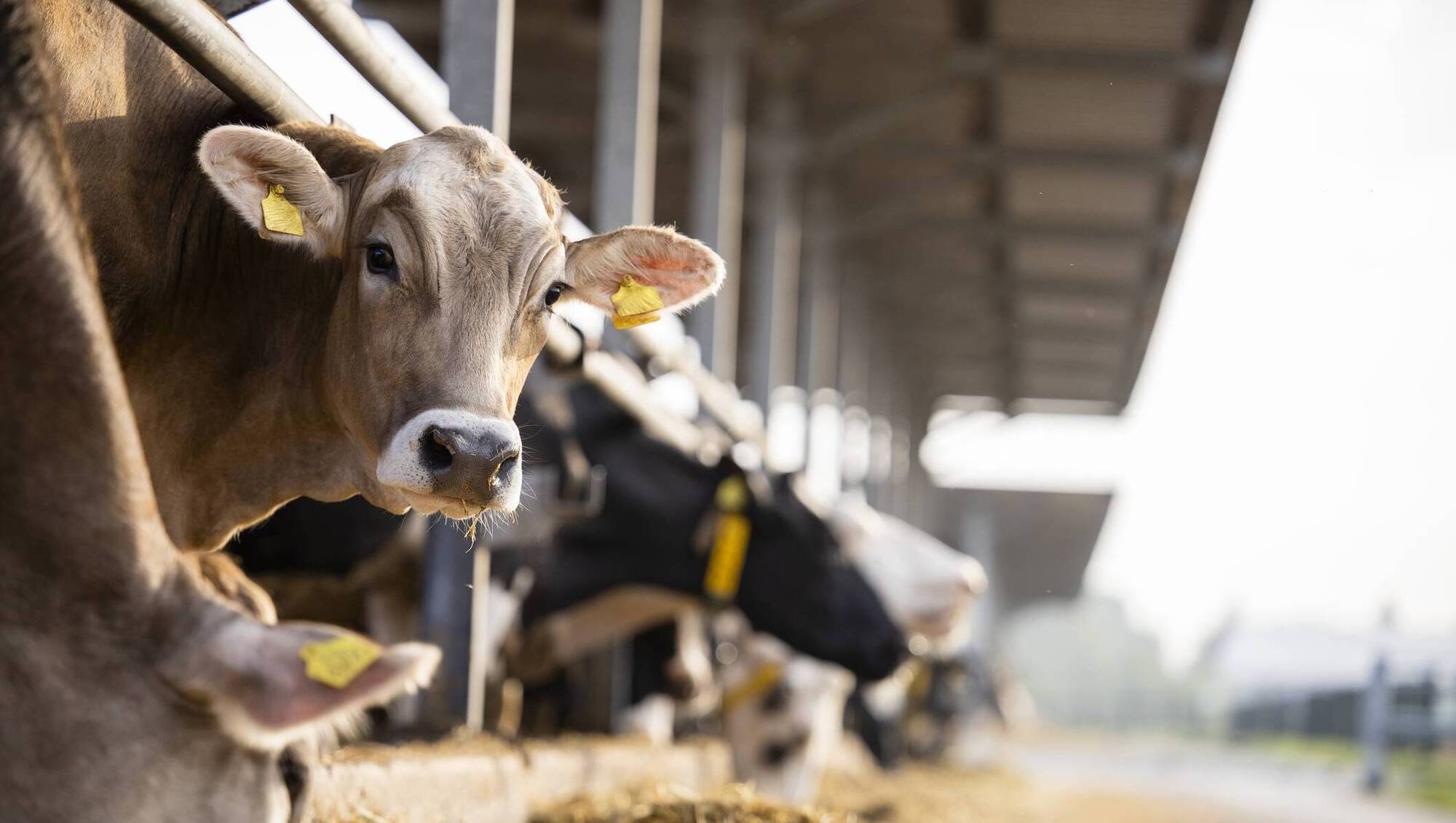
You should endeavour to feed your herd to its genetic potential, and this must be done with as much accuracy as possible, advises independent ruminant nutritionist Brian Reidy.

I wrote recently about getting dairy cows off to the best possible start to their lactation. This should be a given in any year, no matter what the milk price is or how much inputs are costing.
We must all watch costs in any livestock production system and, even in an excellent milk price year, unnecessary spending should be avoided. Moreover, when milk price is less than ideal, it is even more important to get cows milking well once calved and still indoors.
By doing so, they are performing strongly when they can harness high-quality grazed grass, which will reduce production costs significantly.
It is madness to suggest underfeeding fresh cows indoors and expecting them to maintain yield, somehow magically turning on the tap when they go to grass. This is a very flawed approach, in my view.
You should endeavour to feed your herd to its genetic potential, and this must be done with as much accuracy as possible. Use available forage analysis to guide your cows’ supplementary feed requirements, and bear in mind your first round of grazing will not be the best grass you feed all year.
The average milk solids delivered in Ireland to the main co-ops ranged from 430kg to 454kg in 2025, which was well up on 2024.
This clearly shows how much influence weather and growing conditions have on cow performance, if we let them. That level of production requires different feeding and management to a 600kg milk solids herd, of which there are many.
Grazing has proven difficult so far in 2026, and it looks like it will remain challenging as we move into March. Ground conditions are causing a significant delay introducing cows to grass, and this will have a knock-on effect if not managed wisely.
Traditionally, most herds can get some grass into cows when only a proportion of the herd has calved, with numbers increasing as more cows calve. This year, many more cows will have calved before turnout occurs. This increases the risk of ground damage and also means that the first rotation could end up being grazed too quickly if sufficient supplementary feeding is not provided at night.
If it is the start of March or beyond before any significant grazing is done, then the second round will need to be delayed, as there will not be sufficient growth to begin it in the second week of April.
This will be compounded by the reality that little or no fertiliser or slurry, at the time of writing, has been applied to these grazing swards, which will obviously contribute to a delay in regrowth prior to the second rotation.
If slurry has been spread, it has unfortunately gone out on heavier grass covers and much of this is now coated, which will significantly suppress appetite.
As a side note, all of the above underlines how important it is that Irish dairy producers endeavour to produce excellent-quality grass silage, so cows are on top-quality forage post-calving to help optimise intake and, ultimately, performance, in conjunction with well-balanced supplementation.
It is never the cow’s fault if we get bad weather at the wrong time. She has no influence on input costs, nor does she set the milk price. Underfed cows in early lactation will end up with a significantly lower annual yield and take longer to cover fixed costs. If they are not milking, they may as well go in calf.
- Brian Reidy is an independent ruminant nutritionist at Premier Farm Nutrition