Brian Reidy: Growth and weather need to pick up with grass growth below norms
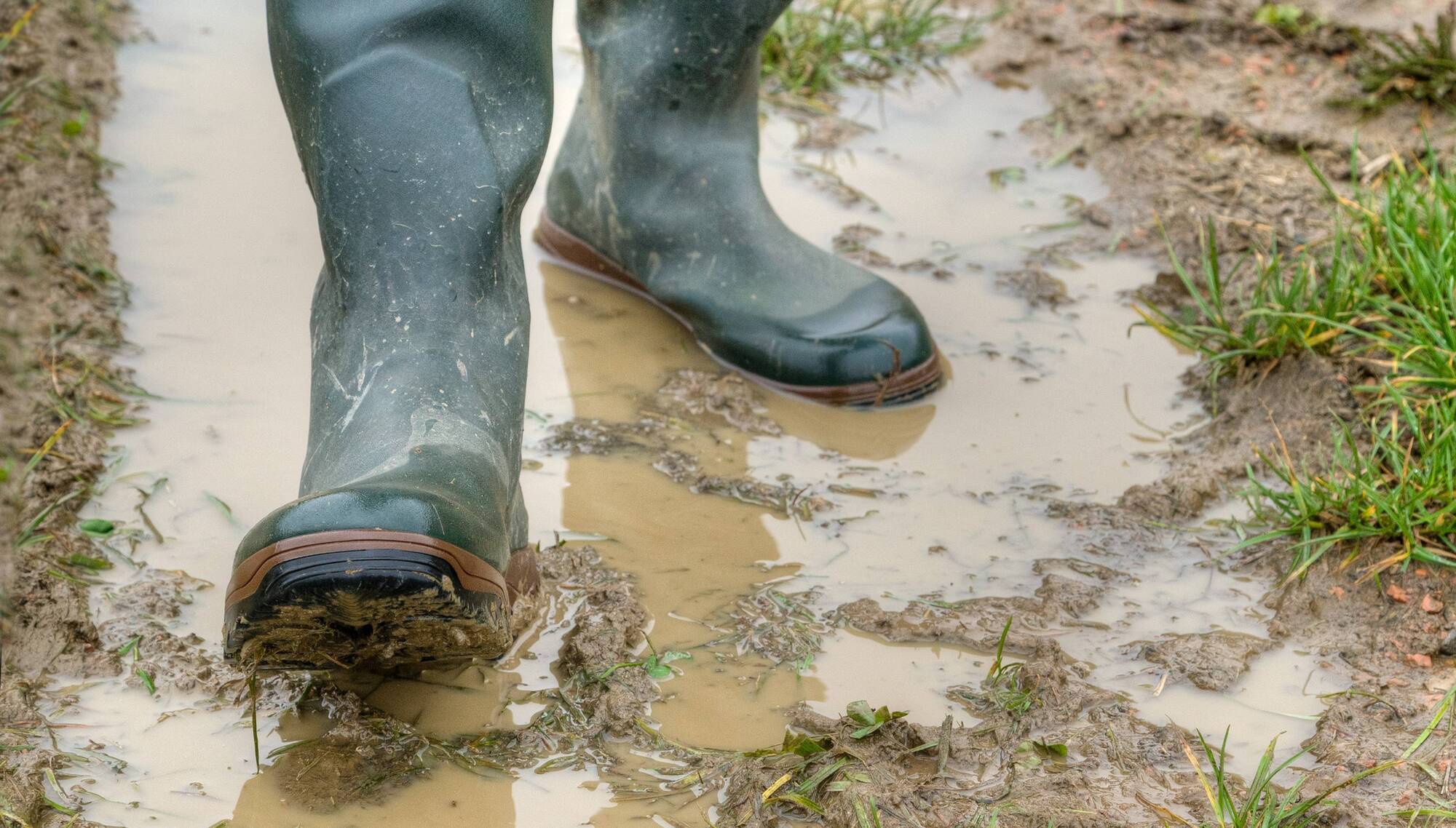
While we can have no influence on the weather, we can be set up for when it improves by having sufficient nitrogen out.

Well, so far it seems 2026 has decided to skip spring. Grass growth is still well below seasonal norms as I write — the rain is lashing down outside. By the forecast, it looks like it will settle beyond the coming weekend.
As we all know, when it does settle, it is always amazing to watch how quickly grass growth takes off when air and soil temperatures rise, and ground conditions dry up.
While we can have no influence on the weather, we can be set up for when it improves by having sufficient nitrogen out. Some are still finding it difficult to follow cows with fertiliser as the ground is still delicate in areas post-grazing.
Grazing has been so difficult to manage this spring, and even as we head into mid-April, a significant number of herds still have a proportion of first rotation to graze. At this point, it is advisable to devise a plan which allows you to mow off the remaining first rotation acres once conditions allow, as it is of inferior feed value at this stage and is impairing animal performance significantly.
Skipping on to the second rotation fully is critical, as many herds are heading into breeding and need to optimise energy intake with better quality forage. As a rule of thumb, you need 10 days of grass ahead of you at this time of year.
This has been difficult to achieve with current growth rates, but as it does inevitably every year, growth will take off, and you need to identify when that occurs and act on it rapidly. When you have well in excess of 10 days of grass ahead of you, then you must consider baling surplus grass as soon as possible.
The major issue for most is that during the poorer weather, growth was very poor, and a lot of paddocks will have very similar covers when growth improves, so a surplus can appear almost unnoticed.
But you can’t graze them all on one day, so surpluses must be taken out to maintain/improve grass quality and boost future growth. It is important to try to graze appropriate covers to maintain quality and optimise animal performance.
Again, it is worth noting grazing excessively strong swards will delay recovery and supply lower energy feed to all groups of stock.
Many factors need to be taken into consideration when identifying the ideal cover for your farm. Every farm is slightly different. Stocking rate, paddock size, land conditions, soil fertility, fertiliser applied, weather conditions, growth rates achieved, time of year and type of stock being grazed.
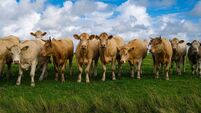
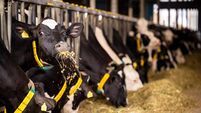
Dairy herds will have optimum dry matter intakes when offered 1,200kg to 1,500kg covers. Younger animals get best value from lower covers. Dry cows can be fed on much higher covers to reduce total energy intake. Covers between 1,200 and 1,600 would be an acceptable range for productive beef animals such as finishers or cows rearing calves and those being bred.
For most farmers, ground conditions are currently very delicate due to all of the recent heavy rain, coupled with the marking done in the first round.
Any repair of swards that is required should be done while the soil conditions are good. Many will be stitching in grass seed where poaching has occurred. Many are putting off reseeding due to economic reasons — it always pays for itself, so make it a priority where you are dealing with underperforming swards.
Rolling to aid sward recovery should only be done when the ground has dried out fairly well and should be avoided if the tractor is making tracks in the field ahead of the roller. Rolling too soon will only create a pan in the soil and cause more compaction, reducing overall sward performance and growth, and reducing silage yields significantly.
On the other hand, if you delay rolling too long, then you will not help to improve the ground and just burn diesel. With its current price, that is certainly a bad use of it. It's not easy to get the timing right.
- Brian Reidy is an independent ruminant nutritionist at Premier Farm Nutrition