Herd Tasks: Your weekly farming checklist
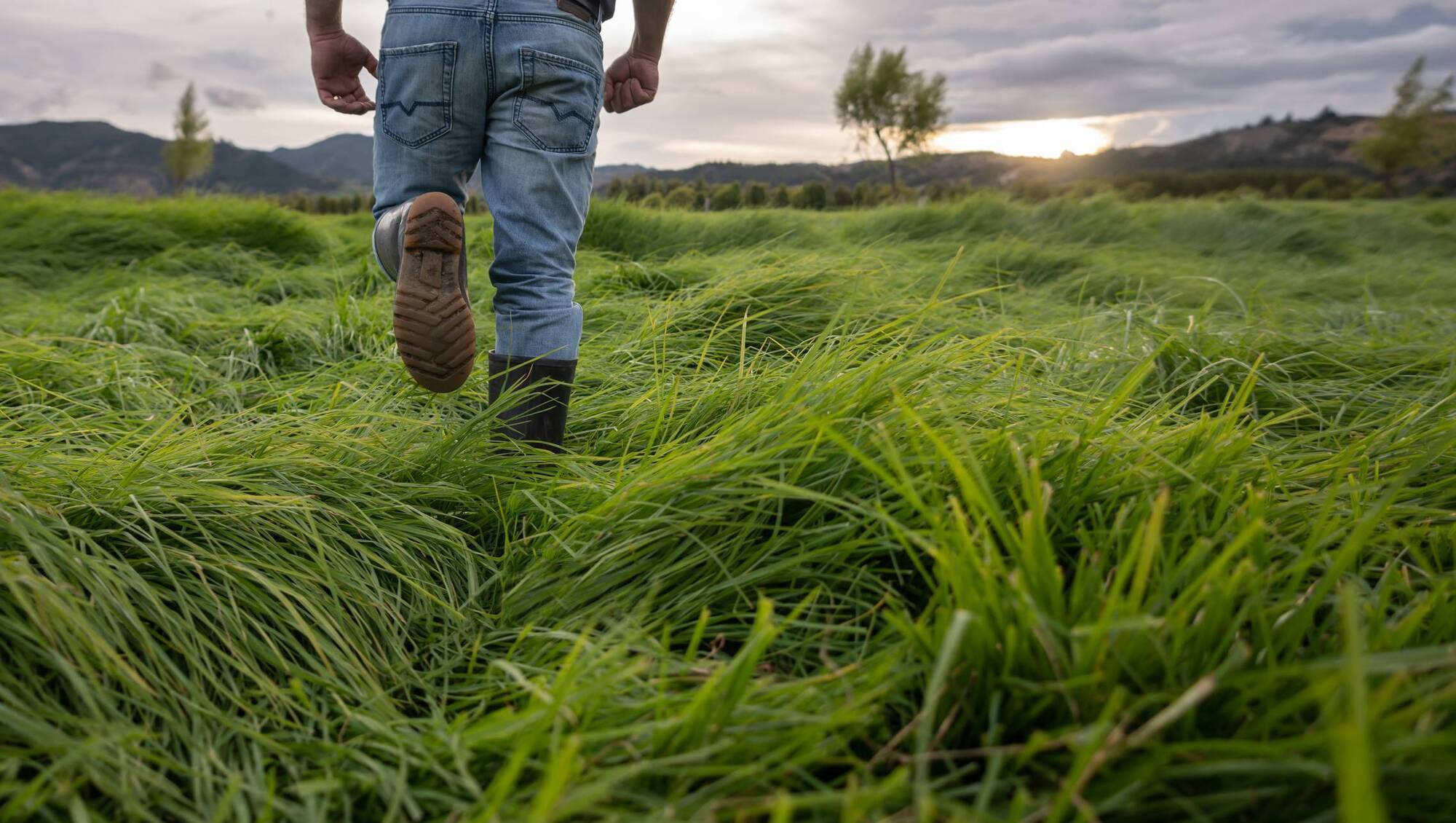
Have targets set for getting around the farm, but don’t become obsessed with pushing cows to grass if it means they do not achieve sufficient energy intakes to support performance targets, advises Brian.
- Have targets set for getting around the farm, but don’t become obsessed with pushing cows to grass if it means they do not achieve sufficient energy intakes to support performance targets, or if you are causing excessive ground damage to hit impractical planner targets.
- Adjust your grazing plan to start the second round when you actually have sufficient grass.
- Check water troughs ahead of cattle and clean them where necessary.
- Slurry application: When applying, take care not to spread heavy volumes on advanced grass swards. This will result in low utilisation at grazing.
- Put a fertiliser application plan in place. Many farms have no fertiliser out yet; plan to apply it once temperatures are forecast to rise and ground conditions allow travel, as the soil will respond well when days get longer and growth improves.
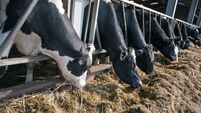
- Continue to feed dry cows an appropriate diet and minerals. It is easy to lose focus on the later cows to calve. Cows with a longer dry period can be more difficult at calving if their nutrition is not appropriate.
- Driving intake should be a priority to boost milk and fertility performance in fresh cows.
- Supply fresh cows with the best-quality forage available and balance with a sufficient volume of an appropriate concentrate.
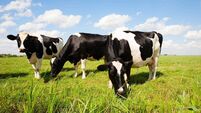
- Once the land dries up slightly, introduce cows slowly to grass and increase allocations each day for one week before leaving them out between morning and evening milking.
- Don’t forget the magnesium bucket for cows and calves when they go to grass. One bucket per 20 cows is the recommended rate.
- If turning cows and calves out to grass soon, continue to monitor calves suckling. Place them in a field with plenty of shelter for the first few days and nights.
- Continue to feed dry cows the appropriate dry cow mineral and keep an eye on body condition to ensure they are not over-conditioned, as those left to calve will have a longer dry period.
Read More