From hairdresser to dairy farmer: Katie Gleeson’s inspiring career shift
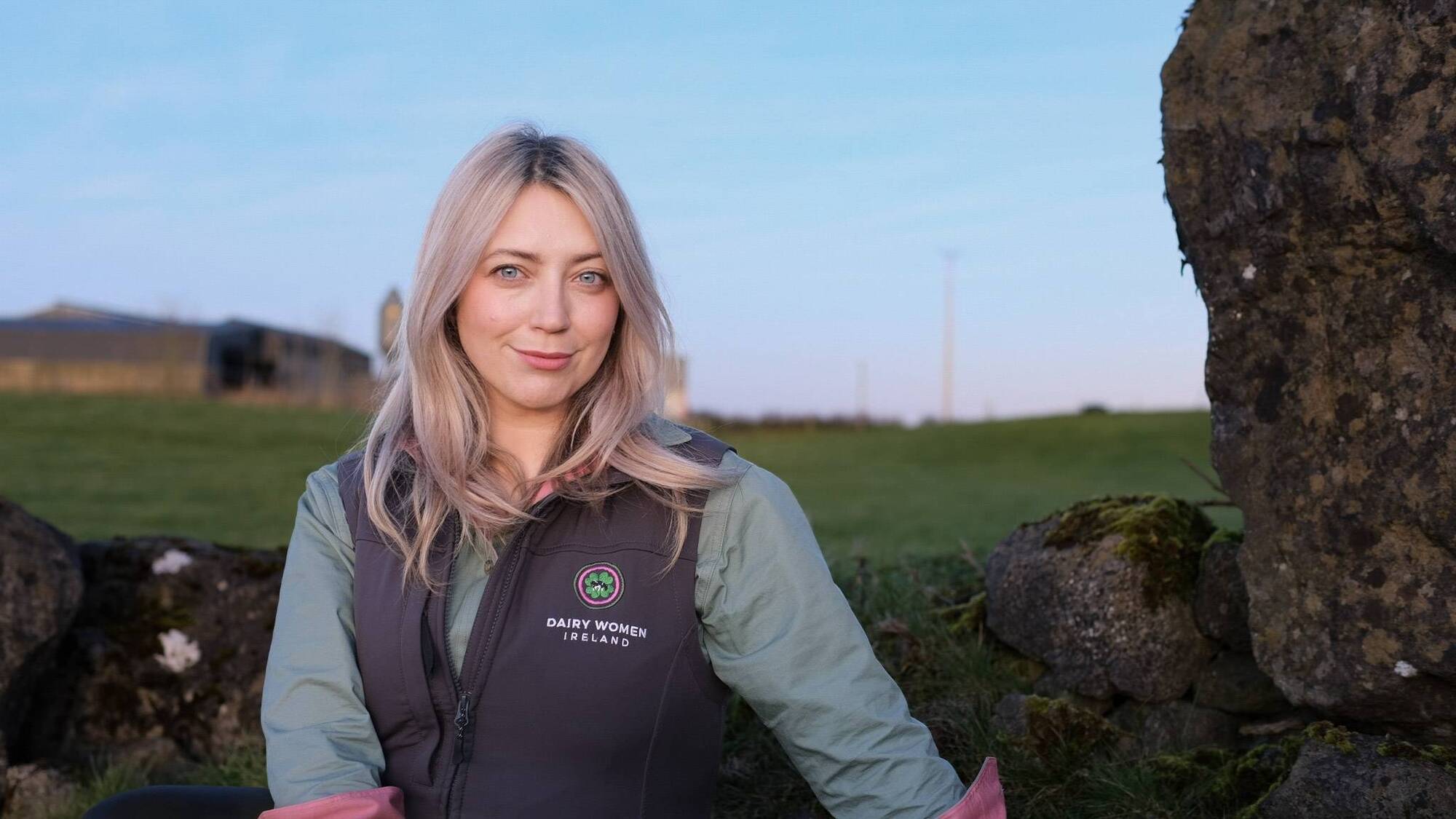
Dairy farmer Katie Gleeson. “It was certainly a challenge coming from a starting point where I didn’t know the difference between slurry and silage."
Not coming from an agricultural background has never been an obstacle for Katie Gleeson, a former hairdresser of fifteen years.
In fact, it has worked to her advantage, offering a unique perspective, that blends both the consumer’s and farmer’s point of view.
Now, as a busy mother of three, a full-time agricultural science student, and a content creator, Katie has seamlessly integrated into farm life alongside her husband, Phil, in Templemore, Co Tipperary.
“I worked in salons and eventually ran my own small business from home. It was a good career, but after having three children in three years, and Phil taking over the dairy farm, it became busier and more central to our family. My focus shifted, and I have never looked back.”
“My dad was a stonemason, and my mum was a preschool teacher, so farming wasn’t part of my world growing up. Even though Templemore, was a small rural town, when you don’t have family involved in agriculture, there is a disconnect and farming is not something at the forefront of your mind.”
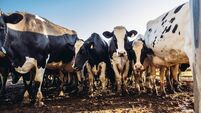
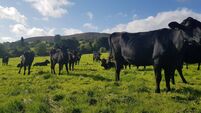
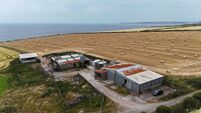
The Gleesons run a spring-calving, grass-based dairy farm on 150 acres, milking 100 Holstein Friesian cows and rearing dairy beef stores.
“It’s a system that works well for us, making the most of our land, buildings and grass-growing ability.”
“The farm has been in the Gleeson family for over six generations, and we’re proud to continue that tradition into the future.”
Katie’s role on the farm changes depending on the season. During the busy spring calving period, she is involved with calf-rearing, herding, milking, paperwork, and fitting in trips to the co-op or vets during school runs. “I enjoy working with Phil, the cattle and farming feels meaningful, which I love,” she added.
“It was certainly a challenge coming from a starting point where I didn’t know the difference between slurry and silage, to where I am today. Dairy farming has its own language, pace, and routines.”
“Phil is a born farmer, with a lifetime of knowledge and as someone with no farming background, I have a lot of catching up to do. But curiosity and optimism, are traits that have always served me greatly in life and fortunately required for farming.”
Katie finds many aspects of farming rewarding, particularly the sense of purpose it brings. “It is about producing food, working with the land, and contributing to society in a meaningful way.”
“The people I meet, who are innovative and passionate, as well as working with cows. I have so much respect for everything they provide us with, they are incredible creatures.”
For Katie, there’s no such thing as a ‘typical’ day. Mornings can involve milking, herding, getting the kids ready for school, and meeting content deadlines. Her days often include college lectures, herding at the outfarm, bedding calves, creating social media content, and attending meetings or events.
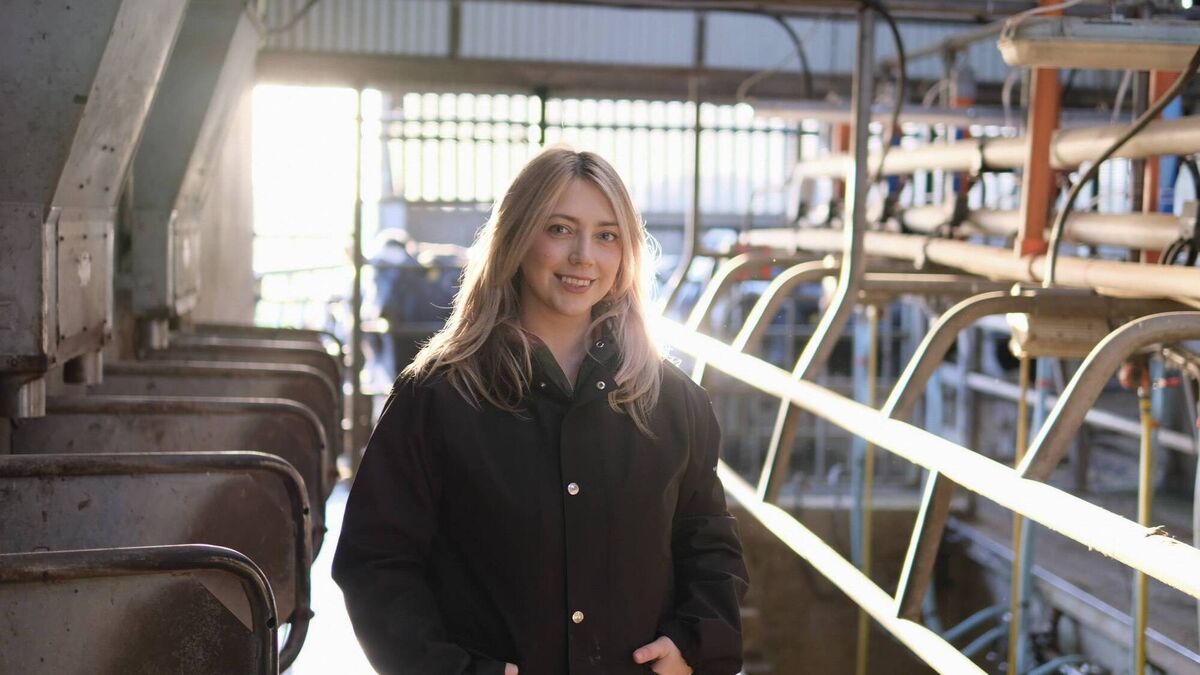
Afternoons are “a whirlwind” of homework, housework, dinner prep, and after-school activities. Evenings are spent catching up on coursework, writing or editing, and posting on social media for both her own accounts and others she manages. There is often a Zoom meeting “thrown in for good measure”, whether for Dairy Women Ireland (DWI) or other projects she is involved in.
“Life is busy, but I thrive on the variety. Through DWI, I participate in several committees within that organisation including the steering committee. The connections, support, and opportunities being led by women through DWI have been life-changing for me. We run regional, national and online events covering all aspects of our lives in the dairy sector.”
“That recognition of women’s roles has undoubtedly been given a greater platform in recent years. From the farmyard to the farmhouse, women play such a vital role on farms, often juggling multiple responsibilities.”
“Groups like DWI and WASG (Women in Agriculture Stakeholders Group) are doing great work to highlight and support women in agriculture, which is so important.”
“But we also need more action in relation to issues being voiced by these groups. Farming women don’t have time for platitudes and soundbites. They need resolutions to ongoing issues with continued support from across the sector.”
Katie is also involved with an agri-environmental programme in Tipperary called ‘Field Exchange’ pioneered by Ailbhe Gerrard of Brookfield Farm. Gleeson is one of eleven creative farming ambassadors who participate in regular workshops exploring sustainable farming practices, and the role of creativity in addressing issues within farming.
“Life is a balancing act. I am a big fan of triage - prioritise what needs to be done today first and the rest falls into place. I always keep the bigger picture in mind; I am good at connecting dots and investing my attention to daily actions that will bring progress.”
“Having strong family support is key, with Phil and I both recognising when to work together to ease the load. My children are a huge motivator.”
“I want them to grow up in a thriving dairy sector where they see opportunity, a viable livelihood and a strong community, not just media criticism and hardship as so often touted.”
With so many misconceptions about farming, Katie is one of many people trying to push the negative narrative that has evolved around agriculture and humanise farming: how much farmers care about their animals, their land, their work and their locality.
Posting under the ‘@kateinthecountry’ handle on Instagram, she shares stories that resonate and show “the beauty and importance” of farming to her predominately Ireland-based 26,000 followers.
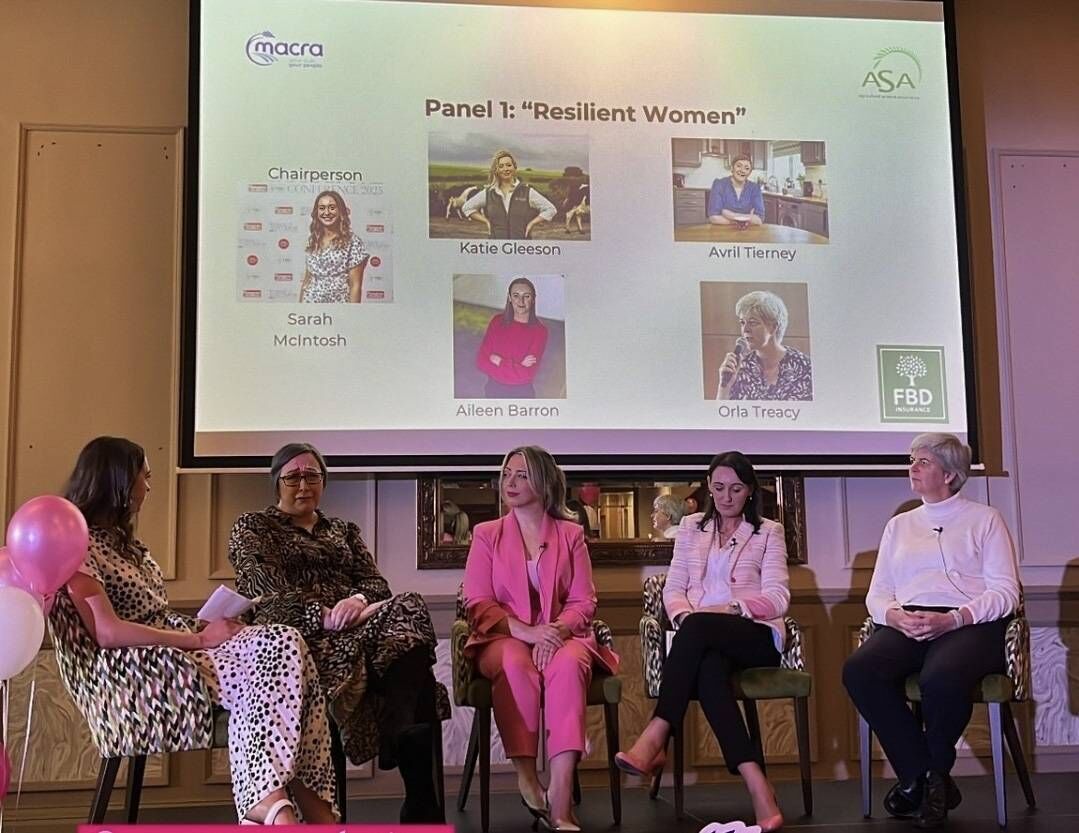
Her content has evolved from mainly photography to a mix of vlogs, photography and educational content centred around dairy farming, food, family, and life.
“I enjoy the creativity and freedom of social media but aside from a love for it, dogged consistency and learning how to pivot with the ever-changing social media platforms while building a community has been key.”
“Instagram is incredibly dynamic, just when you think you have a successful format figured out, the game changes and you have to be willing to adapt. Engaging with people has been key – it is about creating a conversation grounded in reality and positivity not baiting controversy.”
“It started with a camera and a love for capturing the countryside. Sharing my photos, thoughts and snippets of life on Instagram opened a whole new world for me.”
“From my kitchen table, I was able to connect with a wider community curious about rural life and following my journey into dairy farming.”
She was signed by a talent agency as a social media creator back in 2019 and works with national and international brands and organisations to create content.
“I also regularly work with businesses in my locality on their content behind the scenes. I am grateful I now have a platform to share stories that resonate and show the beauty and importance of farming.”
“I am all self-taught. My photography journey began as a hobby, and my social media skills have been years in the making. It has been a lot of trial and error, but I think that makes the process even more rewarding.”
“If you enjoy something, you just do it without overthinking it and the skills progress along the way.” Sustainability is a key theme in Katie’s work as she strives to highlight the positive steps Irish farmers are taking to protect the environment while producing high-quality food.
This commitment led her to enrol in a B.Sc. in Agricultural Science and Sustainability, a full-time programme offered through TUS in Thurles and Gurteen Agricultural College.
As well as a level eight higher degree, the course also includes the Green Cert and covers a blend of both agricultural and environmental modules covering everything from livestock management, farm business, ecology, farmland habitats and sustainable development policies.
“I am very fortunate to be able to take on a course like this in our locality. It is a full-time degree course, with about 20 hours per week on campus, with additional projects to complete at home. If all goes well, I’ll have it wrapped up by 2027.”
“I have a keen interest in the subjects and the theory we cover in the lecture hall is highly relevant to the spaces I frequent in life, adding extra context. My only difficulty is that of time - a few more hours in the day would be great.”
“I am keen to continue dairy farming at home but also exploring roles in outreach, education and advocating for family farms like ours. I hope to make a positive impact on the sector.”
“I want to keep advocating for dairy farms and their role in sustainability, growing my platform, and using my learnings to make a positive difference. I also hope to inspire others to see the value and potential of agriculture all the way from farm to fork,” she concluded.