Hundreds in Morocco gather near Ceuta border in anxious wait for missing loved ones
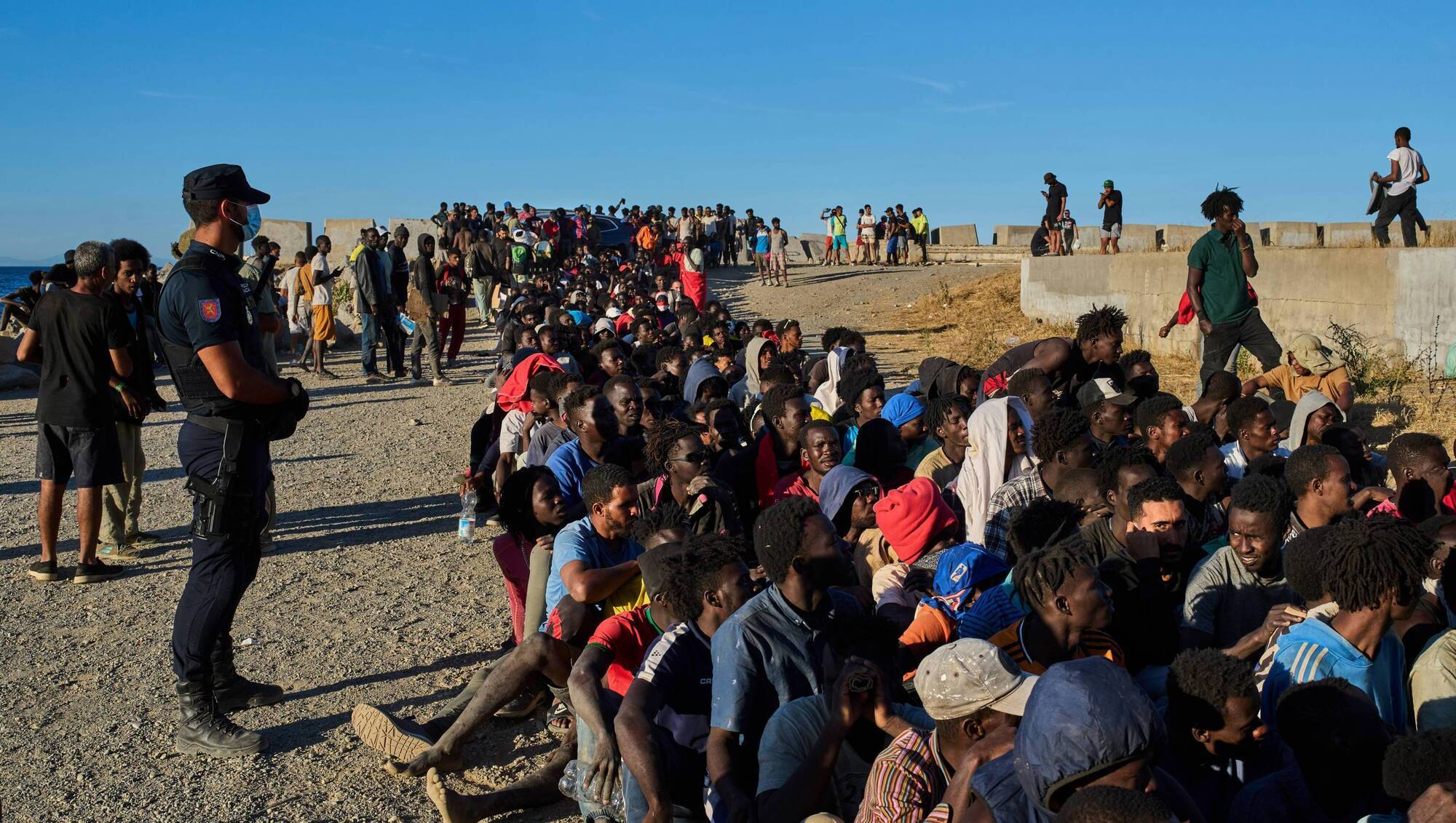
Migrants who crossed from Morocco into Spain line up for food distribution on a beach in the Spanish enclave of Ceuta, Monday, Aug. 3, 2026. (AP Photo/Bernat Armangue)
Hundreds of people have gathered in the northern Moroccan town of Fnideq, near the border with Spain’s Ceuta, flashing photos of their missing loved ones to passersby in the hope of tracking them down.
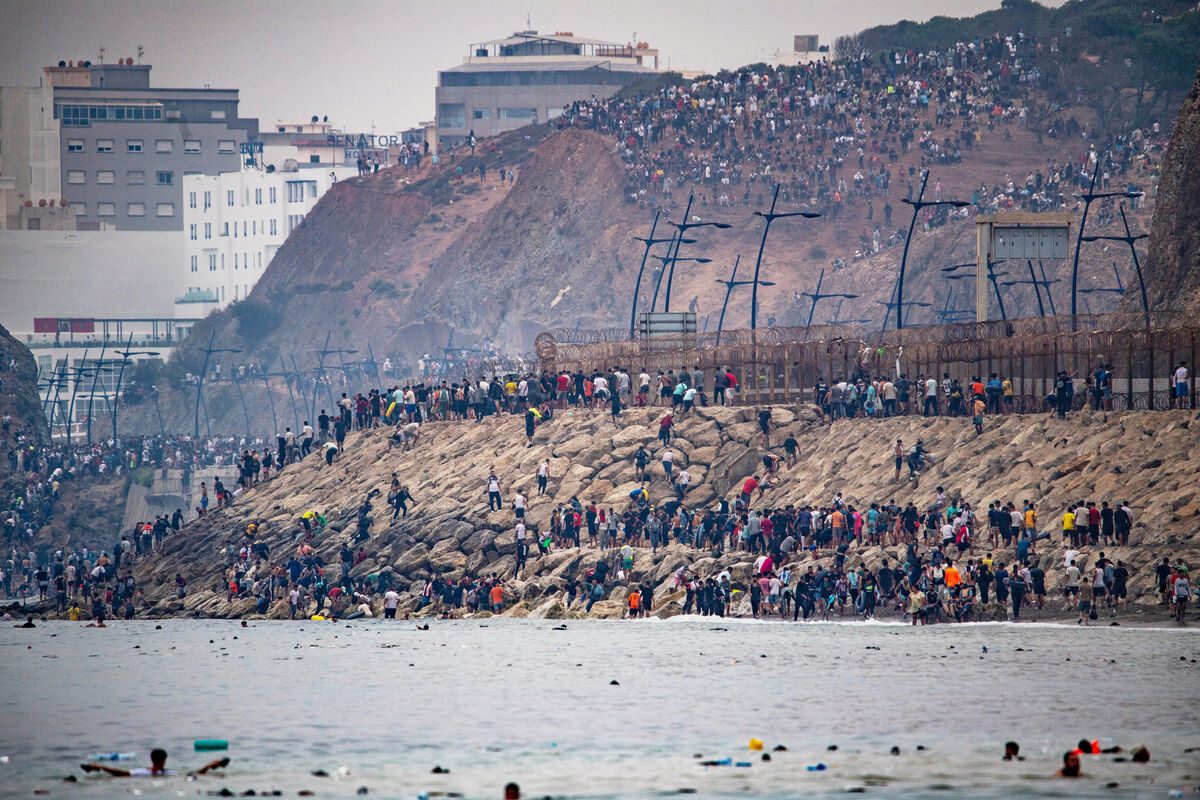
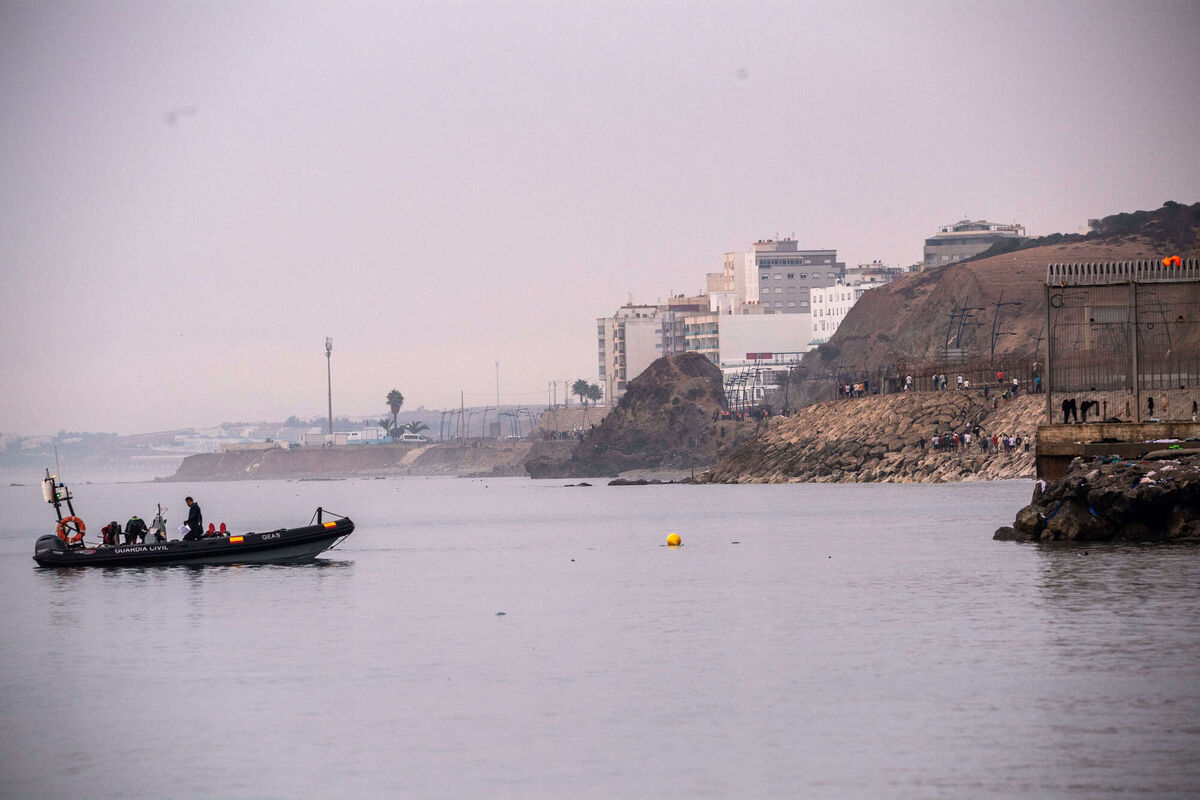
Their perch was the same small tranche of land that made headlines around the world last week as extraordinary scenes emerged of about 72,000 people making their way into Ceuta, a tiny Spanish territory in North Africa.
On Tuesday, as interior ministers from across the EU joined an emergency videoconference to grapple with the lingering tensions, the focus on the Moroccan side of the border with Ceuta was on the harrowing death toll.
At least 88 people have died in Ceuta, according to local officials, and another 11 in Morocco, while dozens of others remain missing.
“I have just one son,” said Hadijja, who had been waiting at the border since Saturday, scanning the steady stream of returnees for any sign of her 23-year-old son. “I haven’t had any news of him; he’s not answering his mobile phone.” She had travelled to the border from her home in Tangier, surmising that her unemployed son was among those who had made the crossing. “He didn’t tell me he was going to cross,” she said. “This is a tragedy.”
An estimated 70,000 people who arrived late last week in Ceuta had been returned to Morocco in recent days, Spain’s interior minister said Tuesday.
Referencing posts on TikTok, Facebook and WhatsApp that had claimed Morocco was letting people cross the border, people arrived at Fnideq by foot or packed into buses and cars as they joined the surge of people crossing into Spain.
Madrid sprang into action, working with Rabat to return the vast majority of those who crossed within 48 hours, even as it fended off a political crisis sparked by calls for Spain to be suspended from the Schengen free-movement zone.
As they returned to Moroccan soil, some said they had come home voluntarily. “I was hungry for days and filled with fear,” said Abselam, 19, from Kenitra in north-western Morocco.
A Ceuta resident had eventually taken him in, giving him food and a place to sleep, before he decided to return home. “It’s not worth it, there aren’t jobs for everyone.” Others said they had been forced out of the Spanish territory. “The police surrounded a group of us and escorted us all the way towards the border,” said Simo, 21, from Tetuan. “We didn’t really have a choice.”
In recent days, NGOs across Spain have voiced concerns that some of those who crossed into Ceuta and who were eligible for international protection were being returned before being allowed to exercise their right to request asylum.
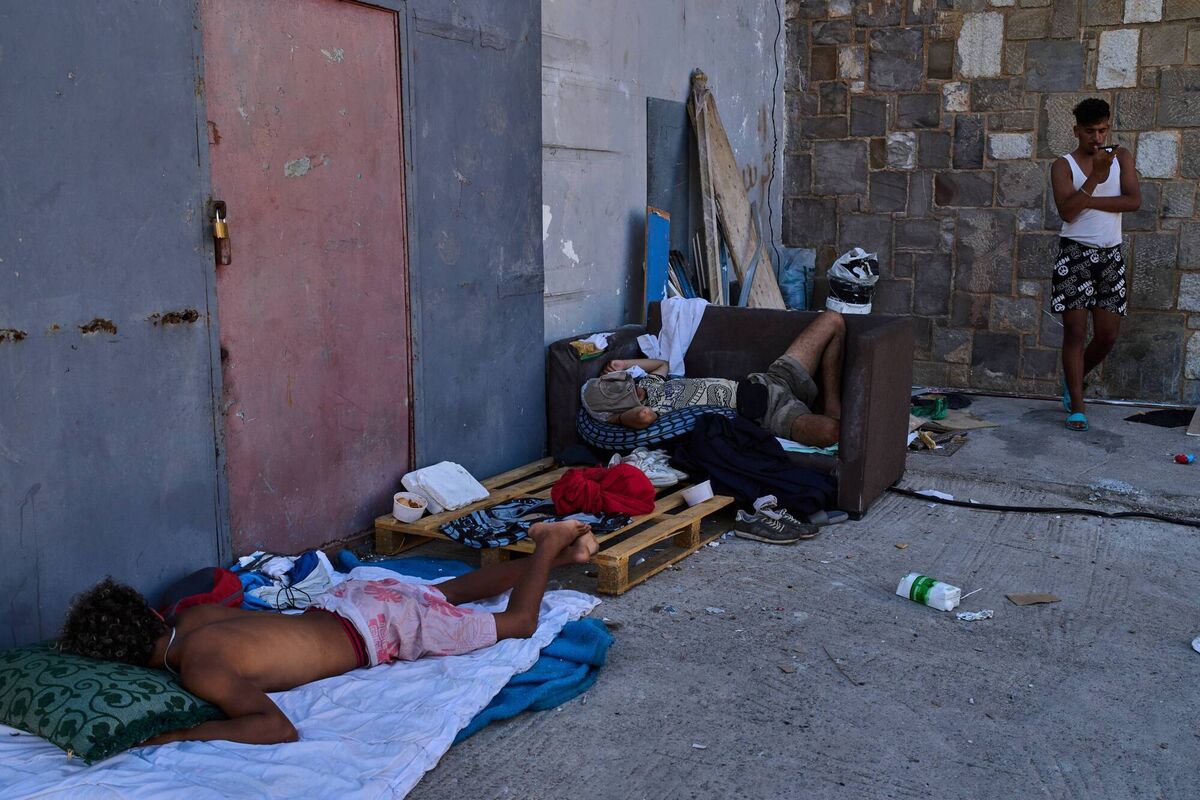
On Tuesday the Spanish government estimated that 2,000 people who had made the crossing were still in Ceuta. The tally includes at least 862 children who have been registered as unaccompanied minors, as Unicef Spain warned that dozens more could still be wandering the city’s streets unprotected.
“Many small children crossed over; we don’t know how many have disappeared,” Susana Hidalgo, a migration expert for the organisation, told the broadcaster TVE. The result was a “tremendously difficult” situation in Ceuta.
“There are many families on the other side of the border looking for their sons and daughters,” she said, while in Ceuta “there are 10- and 12-year-old children asking for phones so they can call their mothers and tell them they’re OK.”
Spanish police said on Tuesday they had set up an office in Ceuta to gather reports of missing people.
The concerns over the fate of unaccompanied children in Ceuta were heightened on Tuesday after Spanish media published a video that appeared to show a boy age 12 crying as he begged a soldier not to send him back to Morocco. After several bystanders intervened, pointing out that Spanish law impeded children from being deported alone, the operation – which played out just metres from the border – was halted.
Days after the sudden influx, questions continue to linger as to what led to the mass crossing. Morocco has faced mounting accusations over the role it may have played. “People felt that this, if not orchestrated, was at least encouraged or permitted by Morocco,” Juan Jesús Vivas, the long-serving conservative leader of Ceuta, said earlier this week.
The insinuation was rejected by a senior Moroccan official.
“It’s simplistic to say that Morocco should just have used force to stop them. That is to completely misunderstand this phenomenon,” the official told AFP.
“At a certain point, the Moroccan law enforcement forces could no longer confront the migrants because the numbers were very large” and because “the pull effect was very strong,” he added. “Could Spain, seeing them coming, have done something to stop them simply using weapons and security forces? That’s not possible.” In a statement published on Sunday, Morocco’s interior ministry laid blame with the “exploitation of the digital sphere” and “the spread of misinformation” to explain the mass crossing.
Spanish intelligence sources have suggested the influx could be traced to a hoax that had swiftly spread across social media after a Spanish supreme court ruling that migrants arriving by sea could not be summarily deported.
The Moroccan official said Rabat had sought to warn Madrid about the repercussions of the ruling. “We started engaging with the Spanish side around 22-23 July, when the networks began talking about this,” the official told AFP. “We explained that this ruling was going to create a problem. And it did create a problem.” The claim was rejected by Spain’s migration minister, Elma Saiz. “At no point was there any evidence, any report that alerted us to the magnitude of this unprecedented event,” she told reporters in Madrid.
The uncertainty hovering over what exactly transpired extended to Fnideq, where the relatives gathered at the border spoke in hushed tones of what could have happened to their loved ones.
Many held on to hope, citing the trickle of good-news stories that had emerged in recent days, such as that of Fatima, who had spent the day waiting at the border with her family for a glimpse of her brother, who had crossed into Ceuta days earlier.
“My brother’s phone had run out of battery, but yesterday he borrowed the phone of a Spaniard to call me,” she said. “He told me he would come back this morning, so here we are waiting. I’m sure he’ll arrive soon.”

CONNECT WITH US TODAY



Be the first to know the latest news and updates