Paula Hynes: We need to learn from the Bluetongue outbreak
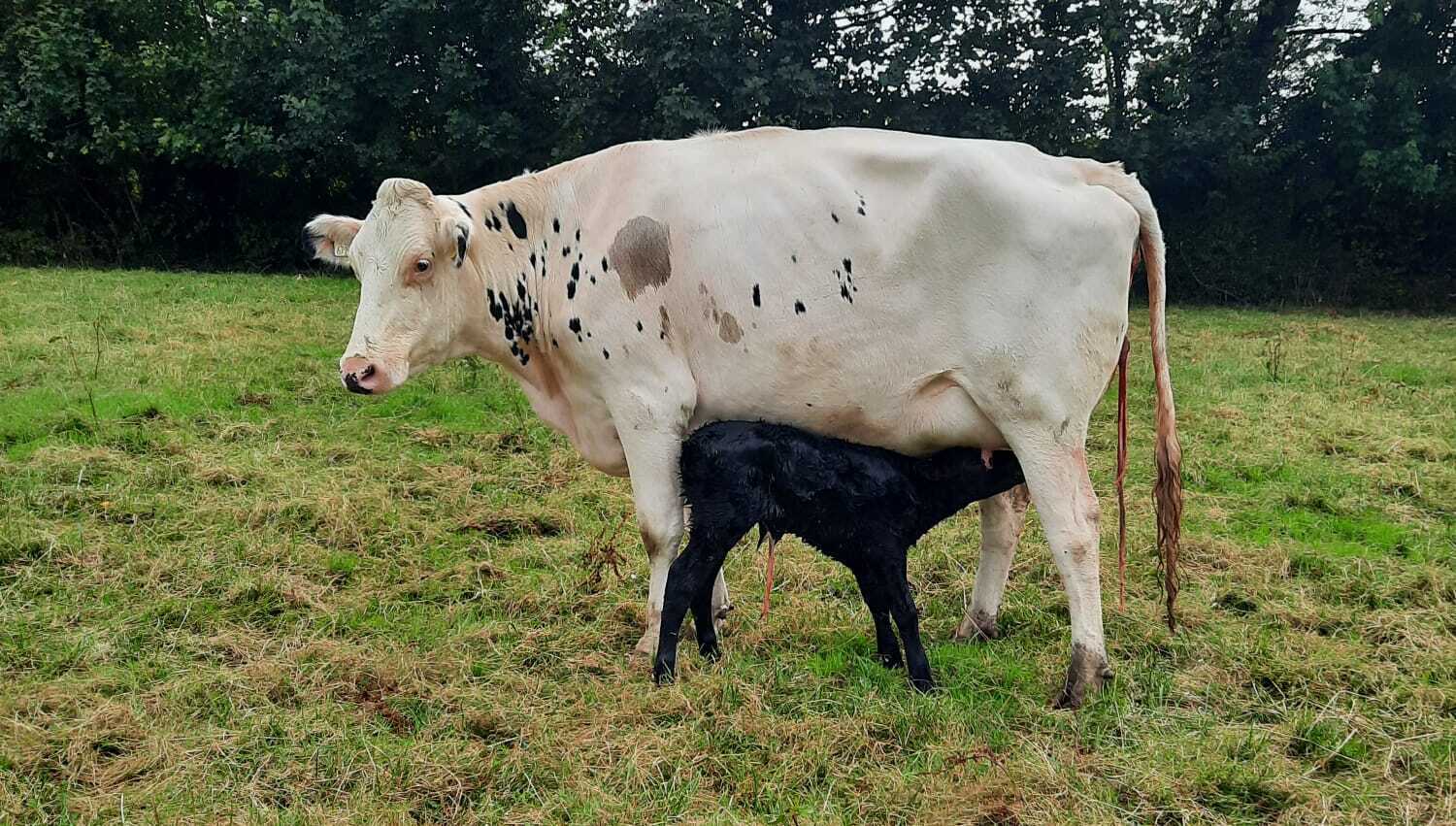
Zandra with her newborn Angus bull calf. Picture: Paula Hynes
The hope for us, and indeed the entire UK livestock industry earlier this year, would have been that Bluetongue restrictions in the UK would be lifted this autumn or, at the very least, they would apply for regionalisation, where livestock from non-high-risk areas could be exported to the island of Ireland, including Northern Ireland.
For those of you who don’t know what the signs of the Bluetongue virus are in bovines, sheep and other ruminants, it can cause sudden severe drop in milk, abortion, redness around the eyes, mouth and at the top of the hooves, loss of appetite, and nasal discharge.

A ban on livestock imports from the UK has been in place since the autumn of 2023 when the first cases of Bluetongue were detected in the UK.
Unfortunately, over the last few weeks, new cases have been detected in the high-risk areas of Essex, Norfolk and Suffolk. This week, a case was detected in East Yorkshire, the first time a case has been detected outside of the high-risk zone and now a 20km temporary control zone has been set up in East Yorkshire; movement restrictions apply to cattle, sheep and other ruminants along with semen and embryos.
Even outside restriction zones, it is quite a lengthy and costly process to ensure Embryos are Bluetongue free.
It now looks like our Jersey heifer based in Lancashire won’t make it to Ireland this year either, but she will be heading to Staffordshire for the All Breeds All Britain calf show later this month; we’ll have to make a further plan for her after that show.
There are now over 40 new cases of Blue Tongue on 15 different holdings, and it seems these numbers will rise further over the next couple of months.
As the new case was announced in East Yorkshire, DEFRA has granted an emergency permit for Bluetongue vaccines to be used in the UK; there is good evidence that mortality rates are lower and livestock show reduced clinical signs of the disease when they have had the vaccine.
There are three vaccines that have been developed for the latest strain of Bluetongue and these have been unauthorized for use in the UK, however the latest DEFRA move may still mean farmers will have to wait another couple of weeks for the vaccine while the license is being processed.
Licenses may well be granted geographically, especially to high-risk areas; these vaccines reduce the clinical signs of BTV-3, they are not preventative vaccines, so vaccinated animals would still not be eligible for export.
Bluetongue has been spreading rapidly across mainland Europe since October 2023 after a four-year absence of any cases detected; with no vaccine authorized for use by the EU, an emergency decree was issued by the Federal Ministry of Food and Agriculture in Germany to allow the use of the three vaccines as Germany struggled to contain the virus which is spread by midges.
Back home on the farm, the team has been finalised for the National Dairy Show; it is only a month away now; they all know their job, so some have been given a rest from the halter, and it is simply a case of keeping them fed and their beds clean.
It will be nice to have a few milkers there, all of which are being walked every day, and also get a few hours out at grass. We will concentrate on washing them in the short term and also get a pre-clip done on them.
We had another heifer calved this week, she is a previous heifer Georgie showed named Zandra, we couldn’t get her incalf to sexed semen, so we eventually served her to Angus and she had a bunter of an Angus bull calf.
Zandra was milking over 25 litres a day within 48 hours of calving so she is going to be a super cow in the milking parlour, her calf was well able to drink too and is guzzling eight litres of milk a day.
We should see a few more calve over the coming days as Petal is due on her second calf, and another two-year-old heifer named Papoose is springing nicely. due to calve to Crushabull, she won a few classes for us last season and was fifth at the National Dairy Show.
We have spread our final round of fertiliser; the farm was blanket spread with Pasture Sward, which we seemed to get a really good response to over the last month, the farm is growing well, and we are building grass at a good rate as we will start our final grazing rotation in early October, so as we will have a bank of grass for day time grazing in January.
With our show season quieter here, Becky has been busy at Panda Holsteins preparing for UK Dairy Day, which is Holstein UK's biggest one-day National dairy show.
Cows have been washed daily all week and clipped by the weekend with the trailers packed with feed and show gear so she could have a relaxing weekend before the long drive up from Devon to Telford. She will be showing a senior two-year-old, and it looks like she has chosen well, as the heifer was classified last weekend and scored VG87.
UK Dairy Day is a fantastic show, with top-class cows with all dairy breeds catered for, a huge array of trade stands and a super place to socialise. We travelled over last year to watch her show there, but unfortunately, we will have to watch it on livestream this year, so it will be another few weeks before we catch up with her in person.