Teagasc advises rechecking cattle two to three weeks after lice dosing
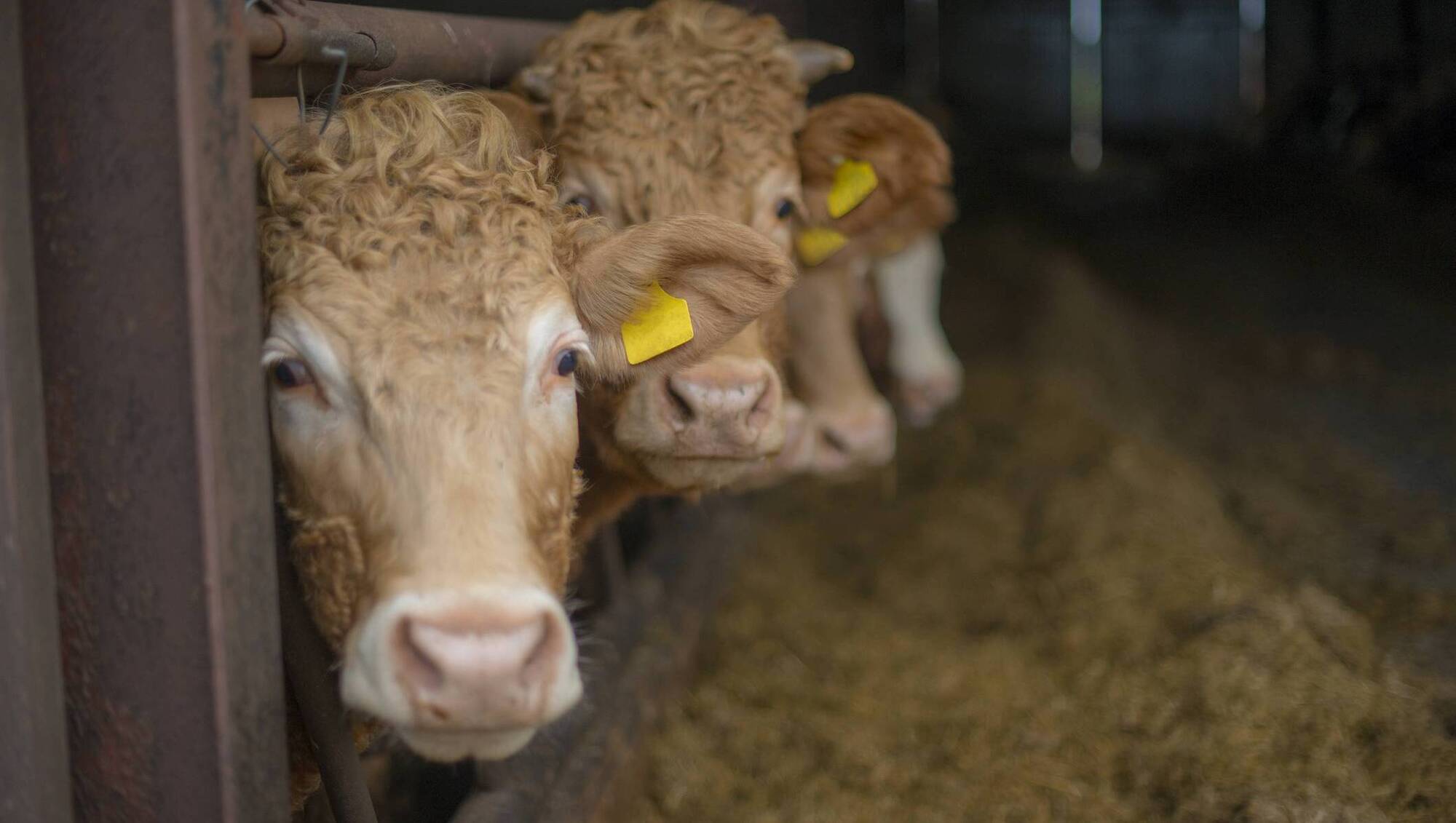
Lice thrive during winter because cattle grow thicker coats, which provide an ideal environment for infestation.
Now may be the time to recheck cattle two to three weeks after lice treatment.
Farmers are being advised to repeat treatment if necessary, as newly hatched lice may not have been killed by the initial dose. The advice comes from Teagasc beef specialist David Argue, who highlighted the importance of clipping and effective lice control in protecting cattle performance over the winter.
Lice and mite infestations pose a much greater risk once cattle are housed. These parasites cause intense itching and skin irritation, leading to restlessness and hair loss. As affected cattle spend more time scratching than eating, performance can drop quickly during the winter months. Early detection and prompt treatment are therefore essential.
Clipping cattle along the back and around the tail head reduces sweating, helps animals stay cleaner, and makes it more difficult for lice to move and multiply. Clipping also improves the effectiveness of pour-on treatments by ensuring the product reaches the skin.
Lice thrive during winter because cattle grow thicker coats, which provide an ideal environment for infestation. In contrast, lice numbers tend to fall in summer, when coats are shorter and animals are exposed to more sunlight.
Adult lice live on the hair and move down to the skin to lay eggs. Once these eggs hatch, young lice develop rapidly and can become adults within weeks. Without effective treatment, populations can build quickly, leading to severe irritation and skin damage.
Injectable and pour-on avermectins are effective against sucking lice and mange mites, but only pour-on treatments control biting lice. Pour-ons spread through the fat layer beneath the skin, where biting lice feed. For best results, backs should be clipped before application, and under-dosing should be avoided.
All animals in a group should be treated at the same time to prevent reinfestation. Bought-in cattle should also be treated before being added to housed groups.
Since December 1, new veterinary medicine rules mean many commonly used parasite treatments now require a veterinary prescription. All prescriptions are issued and recorded through the National Veterinary Prescription System.