Ask a solicitor: No will, no spouse, no children — who inherits the farm?
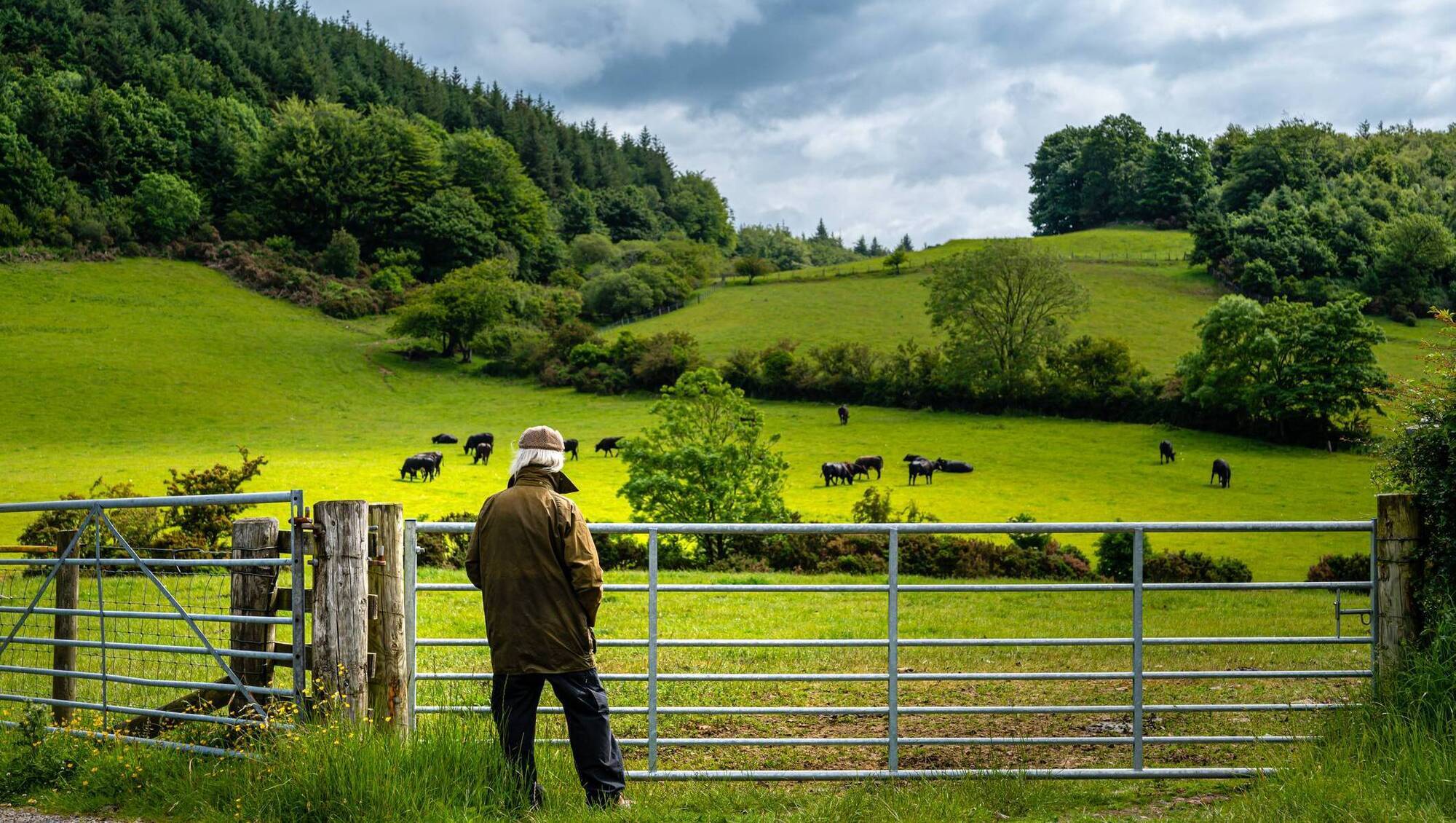
In intestacy, the estate is distributed in a fixed order, depending on which relatives are alive at the time of death, writes solicitor Karen Walsh.

Dear Reader,
I am very sorry for your loss. When someone dies without a will, the law steps in and decides who inherits their estate. This is known as intestacy, and the rules are set out in the Succession Act 1965. These rules are strict and must be followed, even where family members may have their own views on what the deceased “would have wanted”.
In intestacy, the estate is distributed in a fixed order, depending on which relatives are alive at the time of death. Because your aunt had no spouse and no children, the law will look next to her parents. If her parents are deceased, the estate then passes to her brothers and sisters, and if any of them have died, their children (your aunt’s nieces and nephews) may take their parent's share.
Only if there are no surviving siblings or nieces and nephews does the estate move further out to more distant relatives. Aunts, uncles and cousins may inherit, but only if the closer categories of relatives have all passed away. Friends, carers and long-term partners who were never married or in a civil partnership do not automatically inherit under intestacy.
In addition to inheritance rights, someone must also administer the estate. Where there is no will appointing an executor, an eligible family member applies to become the administrator. The Probate Office sets out who is entitled to do this, and the same order of priority applies — parents first, then siblings, then nieces or nephews, and so on. The administrator has the job of gathering the assets, paying any debts, and distributing the estate strictly in accordance with the legislation.
Sometimes difficulties arise where one relative feels they should inherit more because they provided care or financial support to the deceased.
Given the disagreements already beginning within your family, it would be wise for one person — ideally the closest relative entitled under the Act — to take the lead in making an application for a Grant of Administration. A solicitor can guide you through the process, ensure the correct beneficiaries are identified, and help prevent disputes from escalating.
You should seek assistance in determining who is next of kin and who is entitled to administer the estate, from a solicitor.
Email: info@walshandpartners.ie
- While every effort is taken to ensure the accuracy of the information contained in this article, Karen Walsh does not accept responsibility for errors or omissions howsoever arising. Readers should seek legal advice in relation to their particular circumstances at the earliest opportunity.