Paula Hynes: We need to use common sense when it comes to bluetongue
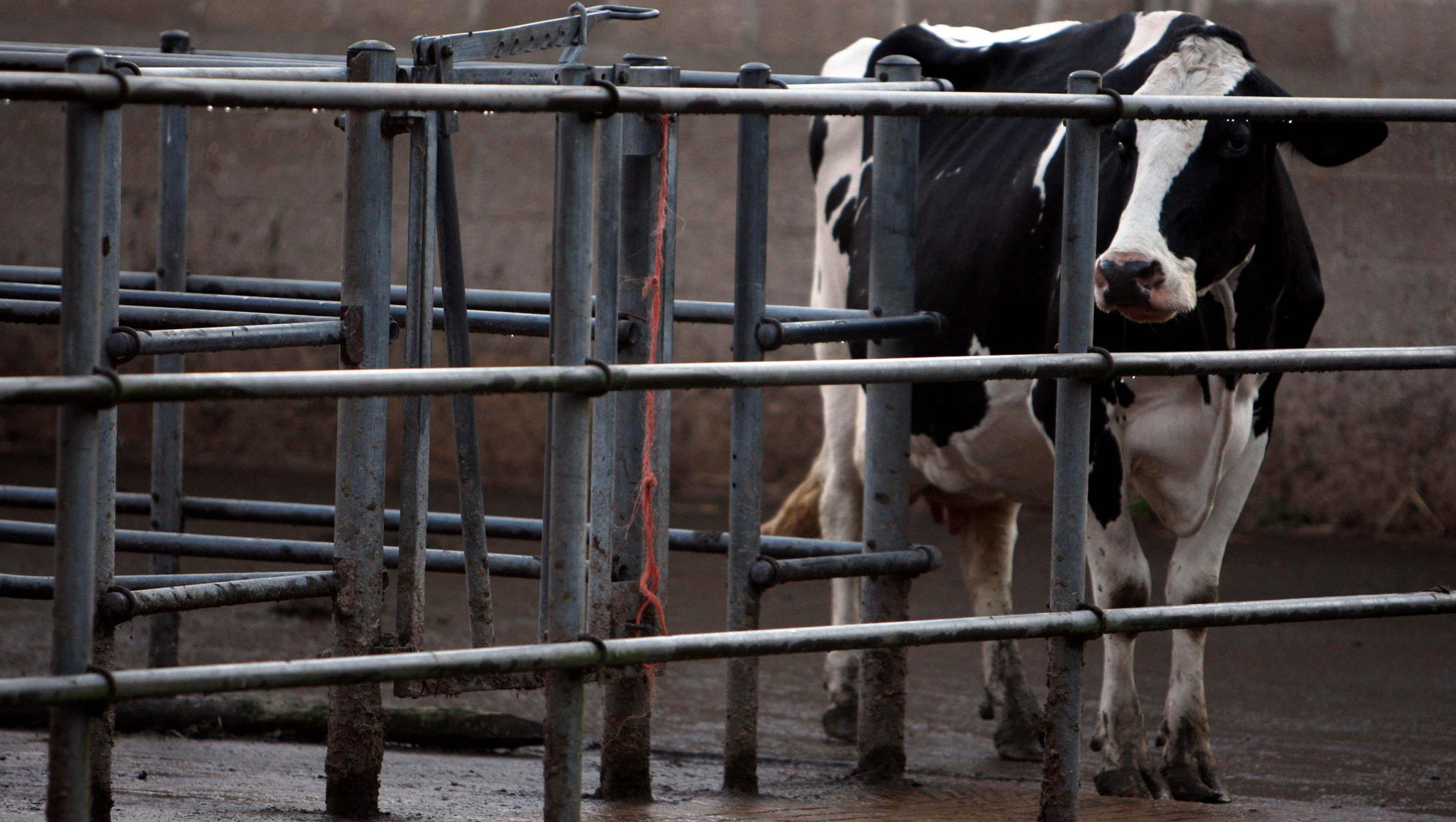
We need to be vigilant as regards bluetongue, and also hope that Northern Ireland can control it and we do not have any cases detected in Southern Ireland. File photo

As I am writing this, I wonder to myself how much the bluetongue situation will have evolved in Northern Ireland.Â
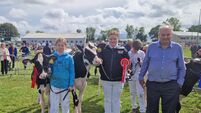
As it stands, the girls have been given the opportunity to compete in the showmanship classes at the RUAS Winter Fair thanks to friends of ours in Northern Ireland who have animals competing at the show. We will see over the next 48 hours if we will travel up as we also await what the show livestock committee decides at their meeting tomorrow.
What does frustrate me with the bluetongue outbreak in Northern Ireland is the terminology being used by some media sources and also the misinformation and conspiracy theories being spread by some on social media.Â
I read yesterday that entries from the Republic of Ireland have been “banned” as have entries from the temporary restriction zone. “Banned” is a very strong use of words. The reason entries from the South will not compete at the show is because the animals cannot return home after the show due to the temporary restriction on exports from Northern Ireland.Â
Likewise, herds within the temporary restriction zone are simply complying with DAERA guidelines.
On social media, some say it is too cold for midges and as BTV 3 is spread by biting midges, disease spread is not possible. It is crucial to reiterate that this is not true and even this morning I noticed on our farm with the damp dark conditions outside, every light was home to midges and we could feel the little blighters biting us.Â
The disease poses no risk to humans or the food chain. It does however, pose a massive financial threat to farms.Â
Some say it doesn’t cause that much of an issue in cattle or dairy herds, but it can cause a dramatic reduction in milk and lameness, along with other health issues. Severe cases in cattle can cause abortion, deformities and death.Â
The big threat with BTV 3 is to our sheep farmers, where infected sheep will have a mortality rate of up to 75%. The disease has killed over 1.5 million sheep in Holland, and it also causes widespread abortion in infected sheep flocks.Â
BTV 3 is not an attempt by governments to further cripple farmers; it is a notifiable disease which poses a huge threat to our livestock sector and our exports, and as an island nation, we have the opportunity to control it and eradicate it. The four months ahead are the best opportunity for DAERA in Northern Ireland to control the disease.
The first two cases detected were at an abattoir with the cows originating from the Clandeboye herd, which has excellent management and biosecurity measures. Further tests on that herd showed a further three positive cases and 44 further animals showing antibodies.Â
These 44 animals became the concern due to the fact that they showed antibodies, which would suggest the animals were infected at an earlier stage, possibly one to two months ago the herd was not vaccinated for BTV 3.
Further tests on herds are being conducted within the temporary restriction zone. On Saturday, December 6, a further suspected case was detected in a cow in Greyabbey, Co. Down. This is within the original control zone and also means a new 20km temporary control zone has been established around the Greyabbey farm.Â
I have mentioned BTV 3 vaccines, which are being used in some countries. The current vaccines simply limit the symptoms and do not stop the spread of the disease; they also come at a huge financial cost.Â
The most important thing we as farmers can do is use common sense and not be sucked into conspiracy theories. We need to be vigilant as regards the disease and also hope that Northern Ireland can control it and we do not have any cases detected in the Republic of Ireland.
On the home front, the mundane winter chores continue, scraping and liming cubicles, keeping everything fed on a daily basis and walking around keeping an eye out for any autumn calvers showing heats. Kiki was served last week and we begin pregnancy checking some cows and heifers tomorrow.Â
Another milestone passed last week as the first Rathard animal was registered in the UK, Becky's cow Magic — which is housed with James and Steph Doherty of Firstlook Genetics calved in mid-November, now on her second lactation — she had a heifer calf sired by Detective and so Rathard Detective Mystery was registered last week.Â
If Magic progresses well over the winter she may well be shown early next year as a milker. There should be another exciting few arrivals this week as Georgie's Jersey heifer Ravina is due to calve in the UK and a heifer Becky has a half share in is due to calve in Australia.Â
She is the heifer Becky had on the halter to win the showmanship in IDW for the second time last January. Becky gets plenty of updates via photos and videos of the heifer in Australia as does Georgie with Ravina. They seem very happy with how both heifers are progressing and at least Becky will see her heifer in person within a few weeks when she heads back to Australia.
We will soon be calving at home again but thankfully there's another three weeks before night watch begins so we’ll be crossing the fingers for no early surprises and a silent night for Christmas.
Many will be preparing to travel home for Christmas, my suitcase has one last adventure with a magical festive trip before the turkey and ham needs to be purchased.Â
It will be nice to have Becky at home with us this year for the Christmas dinner but she will be busy packing a few days beforehand to ensure nothing is forgotten and her bag is not overweight for the Aussie trip, and once again she will ring in the New Year before us.