Weaning suckler calves to reduce stress and optimise value

Early Spring-born suckler calves will be weaned over the coming weeks and months.
Weaning suckler calves to reduce stress and optimise value

When weaning calves, reducing stress must be your priority. Stressed weanlings are much more prone to illness such as pneumonia.

Weanling sales are up and running around the country with the last autumn calves and the early spring calves from this year in the rings. As is always the case, good money is being paid for quality stock. The gap is widening as quality weanlings are getting scares for many reasons.

Grass growth continues to be very slow, and supplementation is required in many yards for both Dairy and beef stock. 1st and 2nd cuts have not yielded very strong this year and the prospect of making a decent 3rd cut are disappearing by the day as the weather is seriously depressing growth. Straw is not very plentiful around the country and if the grass shortage continues for much longer, demand will increase significantly as very little silage will be left to purchase. 

The Maize harvest looks like being early this year and demand for it if available for sale is extremely strong. At the risk of repeating myself, it is very important that all farmers sit down and do their feed budget as soon as they can. For many it may not be impossible to gather sufficient forage stocks to get through the coming winter. A plan must be put in place to either source sufficient feeding or look at reducing animal numbers down to numbers more suitable for available feed stocks. Neither are ideal scenarios and you must tease out which is best for your system.

Weaning early spring-born calves

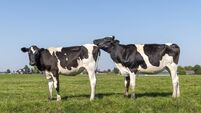
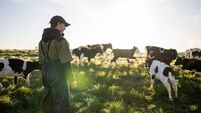
Early Spring-born suckler calves will be weaned over the coming weeks and months. Many will consider weaning early this year so that cows can be taken off grazing to reduce demand. Calves will also be weaned early as prices are strong at the moment.

Good weaning practices will help to optimise the price you get. Buyers know which animals have been weaned well and can spot the ones who have just come out from under their mother. Even with the price of concentrates, it is still good practice to feed creep around weaning. It reduces stress on the calf and reduces their dependency on their mother’s milk. This in turn makes it easier for the suckler cow to dry off without the associated complications. The creep feed supplied to calves should include good quality ingredients, be palatable and must include minerals. Once weaned, it will pay to feed quality weanlings even more concentrates pre-sale as it will optimise weight and also spare grass for other animals.

Reducing Weaning stress

When weaning calves, reducing stress must be your priority. Stressed weanlings are much more prone to illness such as pneumonia. Any dosing, vaccinations, castrating etc., should be done well in advance of weaning or well after they have settled post-weaning. Once weaning has occurred then the calves really should remain on creep feed for at least 2 weeks, but as I mentioned above, it will be wise to feed them on to optimise sale weight.

Some will wean calves and leave them in an adjoining paddock separated by a few strands of electric fence to reduce the noise. Others will put cows indoors on straw and send the weanlings to a well-fenced paddock where the creep feeder or trough remains for concentrates. Over the past few years, I have found housing weanlings on silage and meal and leaving cows to a bare paddock to work very well and it is much easier to monitor calf meal intake in this way.

Managing dry suckler’s

A bare paddock for 3 to 4 days or plenty of straw for 3 to 4 days indoors after taking away calves is usually ample to dry off suckler cows. If you have issues on your farm with mastitis, consider tubing cows. Once dry and settled many will let dry sucklers follow other stock to clean out paddocks. Remember that most sucklers at drying off have plenty of condition and don’t need to put any more on, particularly if they have been dried off earlier and will have a longer than usual dry period.

More in this section

Farming

Newsletter

Stay ahead of the season. Sign up for insights, expert advice and stories shaping Irish agriculture.

Cookie Policy Privacy Policy Brand Safety FAQ Help Contact Us Terms and Conditions

© Examiner Echo Group Limited