One in seven households struggle with energy bills as ESRI urges targeted supports
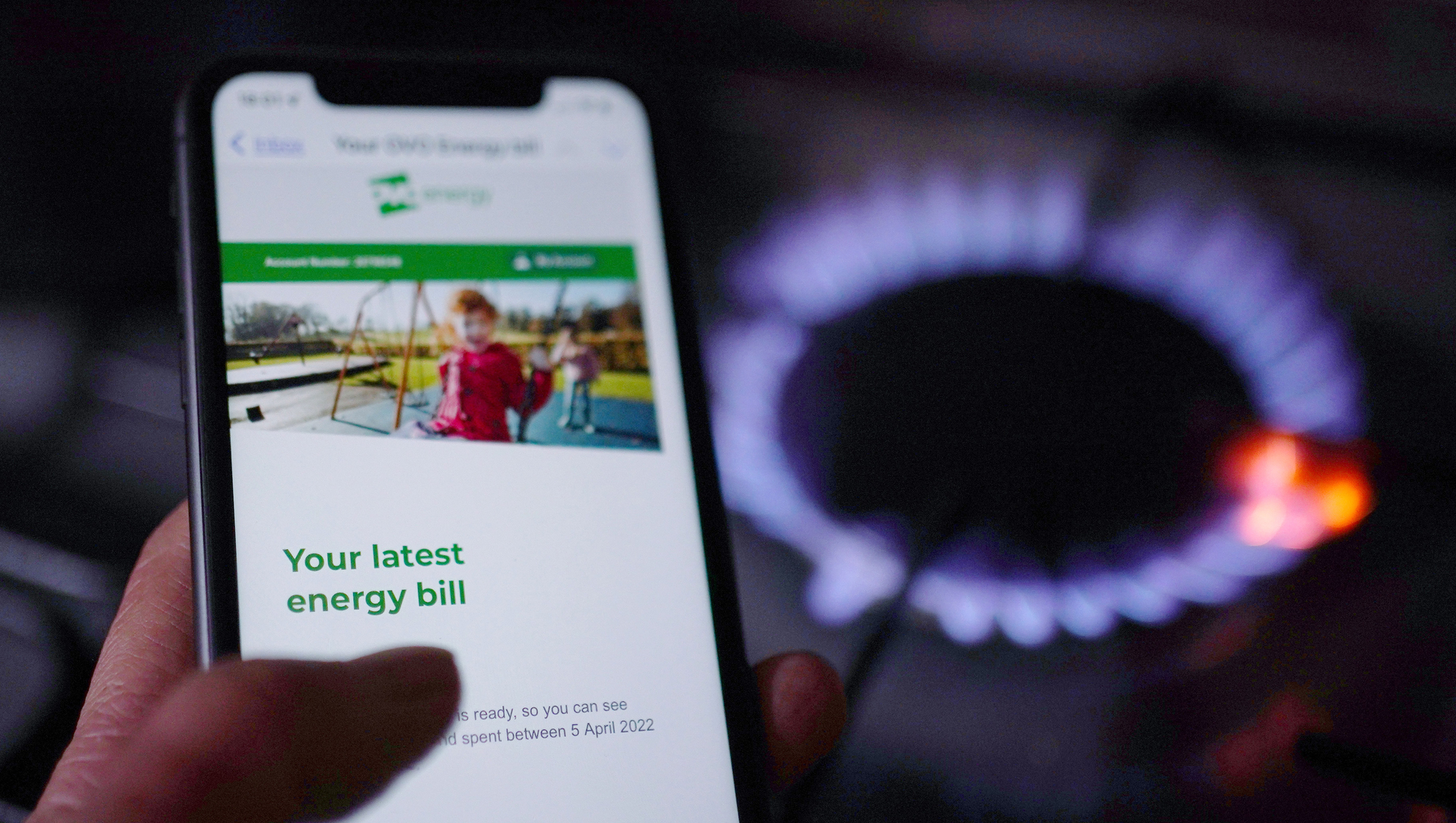
Targeted energy supports could cost far less than universal credits, as one in seven households struggle with bills. File picture
Targeted supports for households unable to keep their homes warm and the lights on would cost the Government hundreds of millions of euro less than the universal credits rolled out in recent years, new research suggests.
Furthermore, the research found that one in seven households in Ireland cannot afford to keep their home warm or pay their energy bills in full.
Research from the Economic and Social Research Institute (ESRI) into energy poverty in Ireland suggests that the number of households experiencing difficulty with energy bills is broader than headlines suggest, with over 30% of households experiencing some form of energy affordability challenges when multiple factors are considered.
Read More
“Tackling energy poverty requires a monitoring system that reflects the multiple ways it can be experienced,” ESRI postdoctoral research fellow Dr Andrés Estévez said.
“Targeted interventions can deliver more adequate support to those most in need at a fraction of the cost of universal measures.”
In the Department of Energy-funded study, the ESRI examined households’ experiences of energy poverty in Ireland, which is defined as being unable to afford essentials such as adequately heating a home, lighting, cooking or powering appliances.
It said it can be a deep-rooted problem driven by low disposable income, high energy costs and poor-quality housing.
However, it argued that accurately identifying households in difficulty will become increasingly important to ensure they receive support.
“The transition to a low-carbon economy will require substantial investment and is likely to increase energy costs for households and businesses,” the study said.
“Assessing affordability risks is essential to ensure that the costs of the transition are distributed fairly and that vulnerable groups are not left behind.”
The ESRI said that relying on a single measure of energy poverty does not give an accurate picture of the scale of the issue, with groups more likely to experience energy poverty including renters, households with unemployed members, female-headed households, single parents and rural households.
Such households are also more likely to be on welfare supports such as housing assistance, child-related payments and fuel allowances, which the ESRI said reflects overlapping challenges that lead to energy poverty.
It found that households in Ireland experiencing energy poverty would need, on average, around €480 a year in additional income to move out of energy poverty, at an estimated cost of around €370m.
This estimated cost is significantly less than the €550–€575m spent on universal electricity credits in 2024, suggesting that targeted measures could deliver similar support at roughly 65% of the cost.
The ESRI research also comes as the latest data from the Central Statistics Office showed that energy prices are rising in Ireland, with the conflict involving the US, Israel and Iran having an impact.
In the space of just a month, energy prices rose by 2.6%, according to its flash inflation statistics released on Wednesday.
Over the last year, energy prices have climbed by 15.5% in the 12 months to April 2026.

CONNECT WITH US TODAY



Be the first to know the latest news and updates