Hazell Mullins: Ketosis — the spider's web of cow diseases
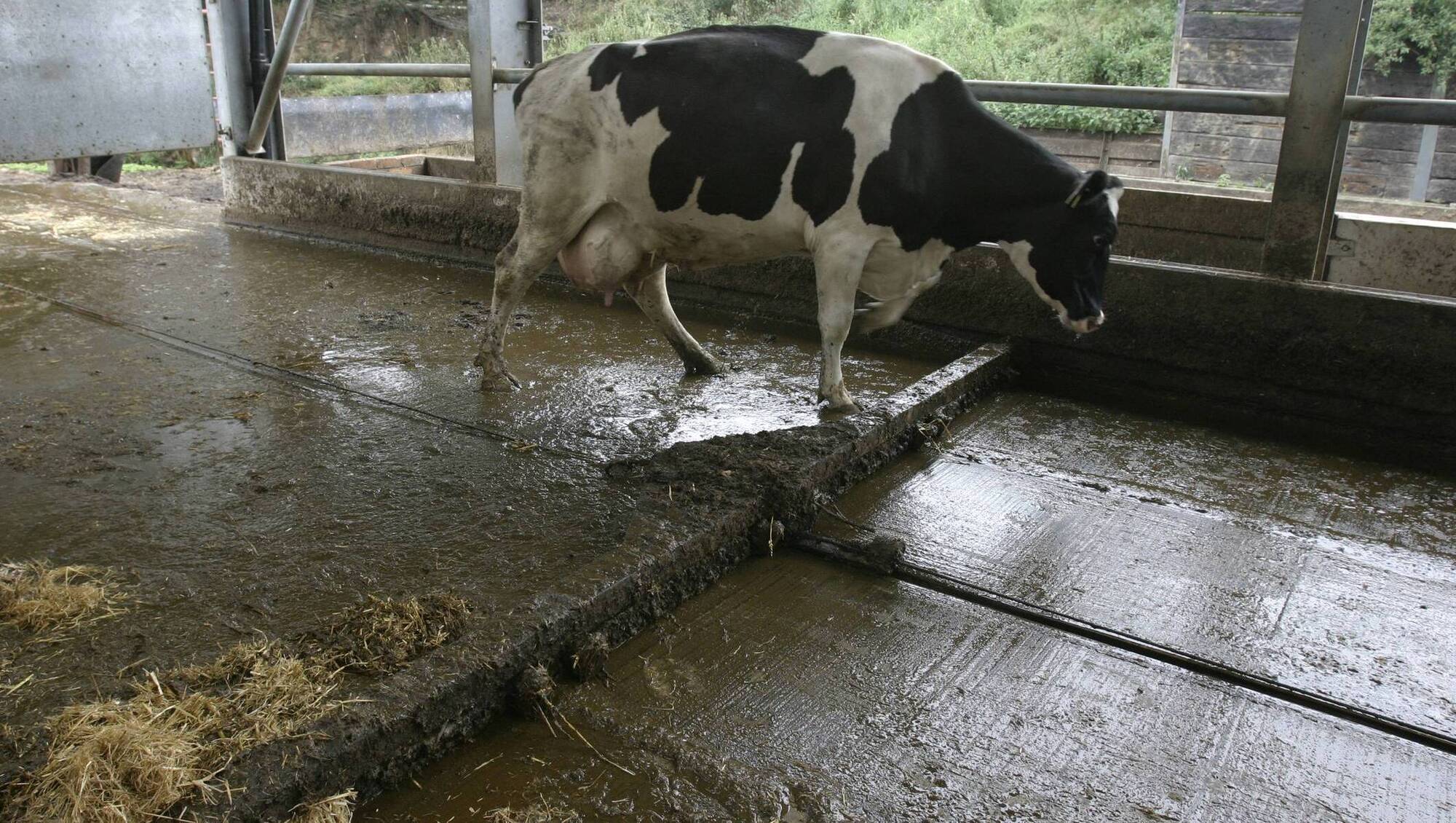
After stomach pumping her with a yeast/ bicarb mix, I suggested keeping her inside and feeding hay to settle her stomach.
I know we are all sick of talking about the effects of this weather but it is difficult to avoid. It’s difficult to avoid now. It is having a knock-on effect on the quality of milk supplied, especially affecting milk protein levels.
At this time before breeding, it is important for animals not to be in negative energy balance as it can have a knock-on effect on fertility.
Usually at this time of year in the early grazing season, we see the opposite of the low fat percentage in the milk — it is a strange year.
Last week, I had an interesting case that started as one problem and transformed into something more complicated. I was called to a cow that sounded exactly like a left displaced abomasum candidate (LDA) to a tee, one-week post calving, not eating ration and severe milk drop in a high-yielding cow.
I almost said to the farmer to get the warm water buckets ready for surgery, but veterinary is funny and sometimes cases surprise you.
I placed my stethoscope on the left side of her abdomen, searching high and low for any sign of “pings” that form due to the build of gas in the abomasum on the left.
To our surprise, there was no indication she had a displacement of any kind after another thorough investigation on the right-hand side.
It just shows to always do a full clinical exam on all patients despite the fact they may be displaying typical signs of a certain condition — it’s an important lesson that we all learn very early in our vet career.
Out comes my toolbox of diagnostics, my thermometer, my glove and my stethoscope’s job is far from over either. Her temperature was the first alarming find, reading extremely low at 35.5C, her heart rate was slightly elevated and finally, on rectal examination, she had a very severe scour.
The farmer had not noticed this before but I think we found our answer. What caused this? Was it nutritional, perhaps an acidosis episode from too much ration or did it involve a bacterial cause?
We discussed her management the previous day and it was the first day since calving she was out grazing, I decided to treat her for a nutritional scour. After stomach pumping her with a yeast/ bicarb mix, I suggested keeping her inside and feeding hay to settle her stomach.
I went on my way and didn’t think much about her until I got a phone call the following day at lunchtime to say she was no better and she was not eating anything.
I was surprised by this result as I thought with some TLC she would be 'right as rain' (pardon the pun). I thought more about why she was not eating and also the possible connection with being freshly calved.
Ketosis was a possibility — this is where fat is broken down as an energy source to sustain energy needs. In cows, it can cause them to not eat, which worsens the problems — the nausea of the cow world.
Taking a blood ketone reading confirmed my suspicion, reading of 2.2 mmol/L with anything over 1.2 mmol/L considered high. The device I use is the same as a diabetic would use to check their ketone levels. We added into her treatment some propylene-glycol 200ml twice a day on day one and then 100ml twice a day for the following two days.
I also gave her an injection of vitamin B12 IV, which increases the production of glucose to counteract the requirement for the breakdown of fat energy stores.
Any cow after calving that stops eating for whatever reason can lead to the development of this type of ketosis. This cow had not developed nervous ketosis, which usually has the classic sign of a cow licking gates and disorientation.
Ketosis can lead to an increased risk of LDA formation due to the lack of rumen fill, meaning this cow was not out of the risk category yet. Excess ketones increase the risk of infections such as metritis due to immune dysfunction and have a detrimental effect on subsequent fertility.
Cows that are most at risk of developing type 1 ketosis like this cow are usually over-conditioned, high-yielding cows just like this cow. Cows post-twins or cows with underlying conditions such as lameness are also at a higher risk of developing ketosis. Talk to your vet today about preventative treatments for at-risk cows.
This is why I love being a cow vet, the science behind conditions is fascinating and how an unassuming simple sick cow can be a spider web of interconnecting conditions.
It keeps vets on their toes and every day is a learning curve. I am currently sitting in Stansted airport after an amazing wedding in Essex. That old friend, the sun, made an appearance which made it an extra special day. Congratulations to the new Mr and Mrs Joyce.
Read More