Toxic shock and FMA Syndrome on the farm
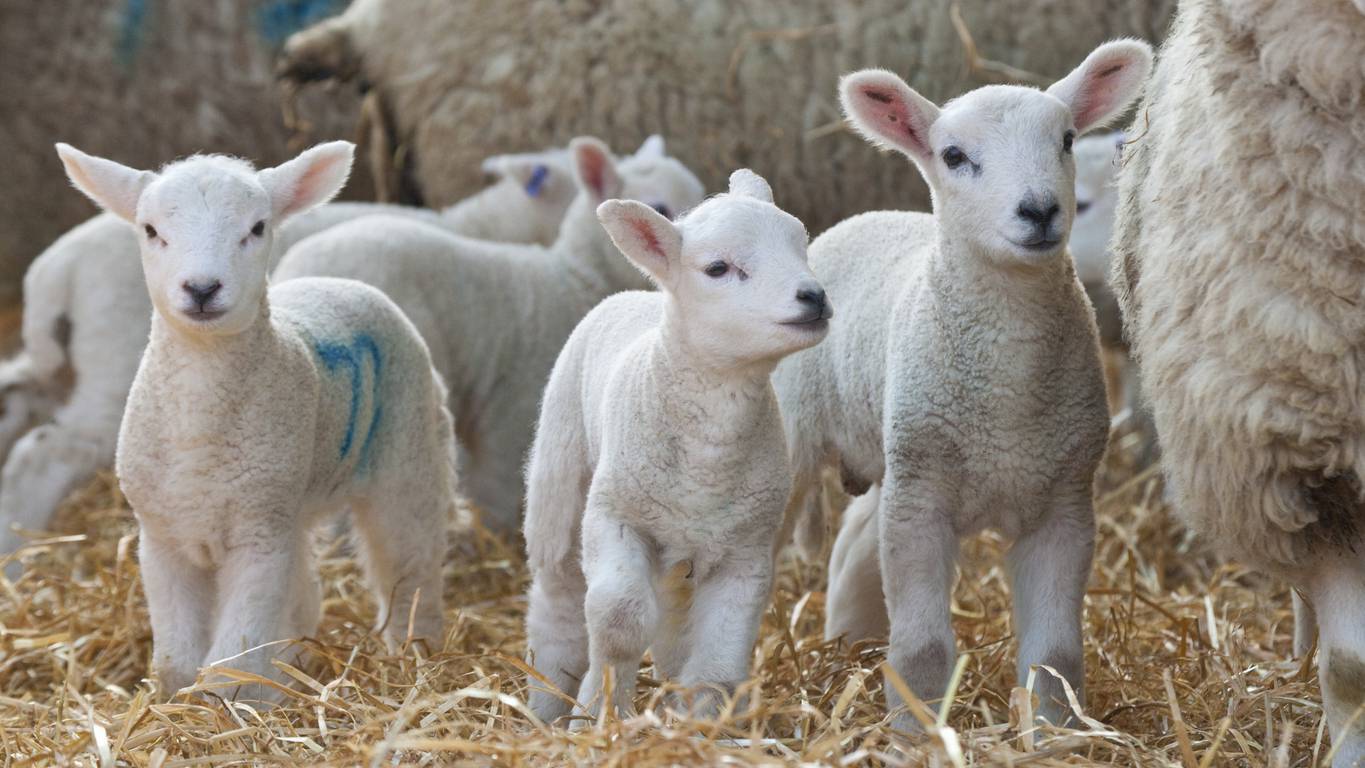
The newborn lamb's stomach has a neutral pH, which allows the perfect conditions for E. Coli proliferation when ingested, warns farm vet Hazell Mullins.
Due to the toxic shock suffered by lambs, treatment often goes unrewarding, none the less we always try and save them, which was the case for the little ram lamb I found that morning. Fluids are essential to combat the shock to prevent organ failure.
A standard treatment protocol involves administering warm fluids spiked with glucose orally, a warm water enema to help with gut movement to excrete the toxins and system antibiotics prescribed by your vet.
The old reliable heat lamb or the common scenario of the lamb brought in by the stove will help tackle the low temperature that the shock causes to their body.
Good hygiene practices and colostrum management go hand in hand to prevent Watery mouth. The key aim is to prevent excessive E. Coli ingestion and maximise the lamb's immune system.
Just like in calves, colostrum is liquid gold for lambs; they need 50-60ml/kg of good quality colostrum within two hours of birth. The 5 Qs of colostrum still remain the same for lambs: Quickly, Quantity, Quality and sQueaky clean.
The cleanliness of the colostrum is very important for watery mouth prevention as Ecoli bacteria can be ingested under the disguise of the colostrum.
It is important to particularly focus on triplets to ensure they intake enough colostrum and to have frozen stores available if possible for these situations.
Making sure the ewe's teats are clean is the first step in the hygiene chain to prevent watery mouth. Steps need to be taken to make sure the lamb is not ingesting excess amount of E.coli from the environment.
The basics of the shed hygiene need to be put in place: lots of fresh straw, good drainage and lots of fresh air to reduce infection pressure. Feeding the lamb promptly can help reduce the lamb scavenging the environment for milk.
Immunity-boosting products specifically aimed at E.coli in the newborn lamb are available on veterinary advice. The POM product “Locatim” is licenced in Switzerland for watery mouth prevention in lambs and licensed here in Ireland for calf scour prevention.
It is an oral supplement of concentrated antibodies that is given at birth to work alongside colostrum’s naturally occurring antibodies. Speak to your vet about its use and the protocols recommended.
As we know with human research gut health is the key to our overall health. Products such as 'Precision Microbes' at a rate of 6ml orally can be given to lambs at birth to encourage a healthy gut to aid protection against watery mouth.
The historic use of antibiotics to prevent watery mouth no longer adheres to EU medicine regulations and the responsible use of antibiotics.. Discuss with your vet today a plan to prevent watery mouth in your flock this lambing season.
This week, I really hope the weather gives us a little breathing space, and we see our old friend, the sun, again. My cows are fed up being inside, as am I with cleaning cubicles.
I am going to see Sister Act at Cork Opera House on Sunday night with my friends, which will no doubt be a tonic for my 'FMA syndrome'.
- Hazell Mullins BVM BVS, is a large animal vet based in Carrignavar, Co Cork.