Kieran Coughlan: Farmers are sick to their back teeth of layering regulations
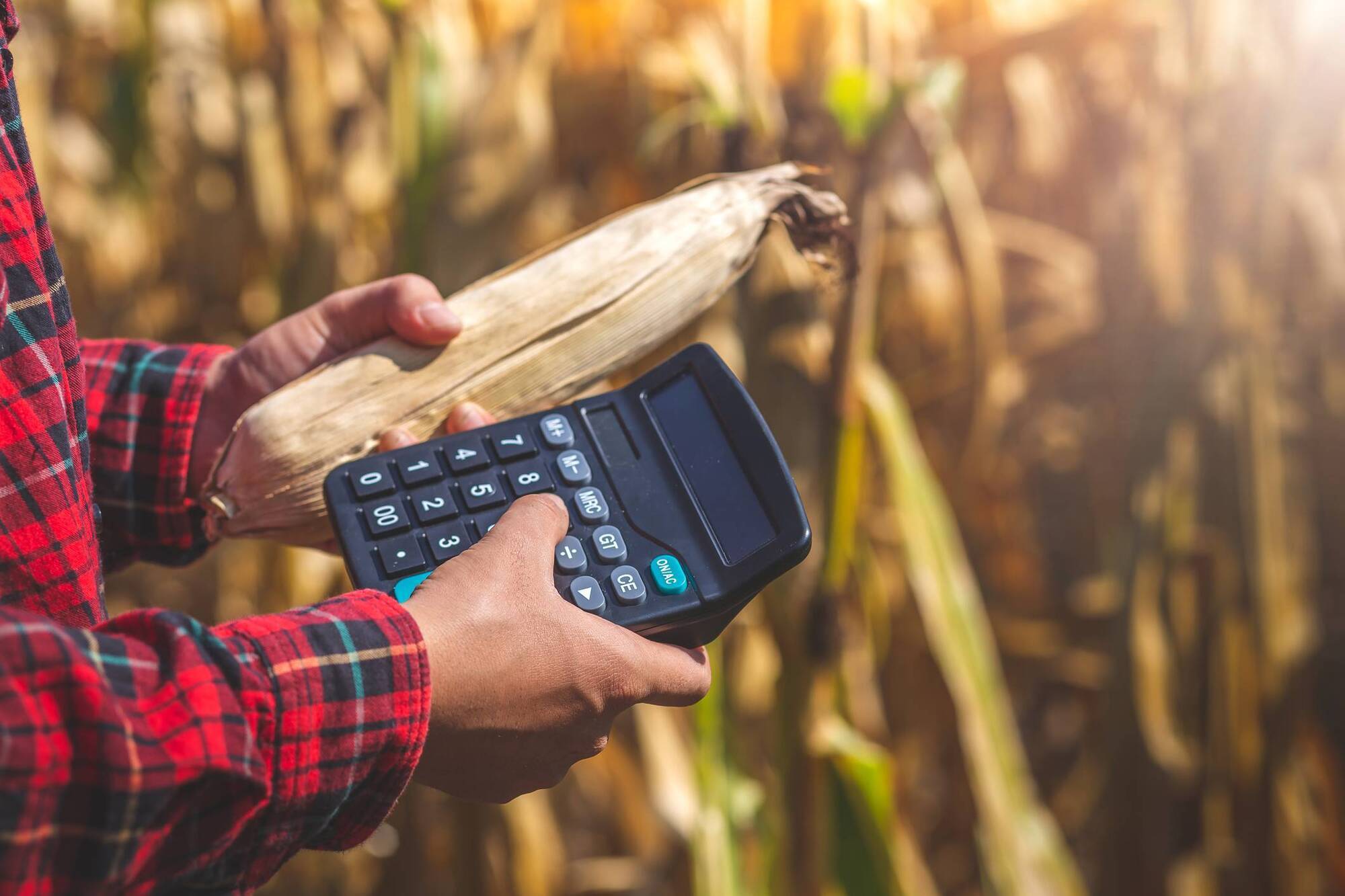
The problem farmers now face is that intensification and scale no longer serve the purpose of increasing margins where land supply, land cost, and regulations create limiting factors, writes rural accountant Kieran Coughlan.

The problem farmers now face is that intensification and scale no longer serve the purpose of increasing margins where land supply, land cost, and regulations create limiting factors, writes rural accountant Kieran Coughlan.

The result of the recent referendums should mark as a warning to the main political parties ahead of the forthcoming local, european and general elections. Farmers are sick to their back teeth of the layering up of regulations over many years but at what seems like an accelerating rate over recent years and there is a distinct possibility that this may play out when it comes to the casting of votes.

Be it at national or EU level, paying lip service to farmers and introducing ‘schemes’ doesn’t cut it. Promising to reduce regulations doesn’t cut it either when farmers were previously promised that more than a decade ago and the contrary has happened.


The underlying lack of profitability in farming is the elephant in the room, and unless this is addressed in a meaningful way with a clear trajectory that farmers will buy into, then expect politics to be lacklustre at best towards the incumbents, with farmers more willing than ever to vote outside of their usual camp.

Schemes to encourage new entrants and women into farming are welcome, and I would applaud the introduction of the same, but what is the point in bringing in new entrants when those who are already established are struggling?

Farmers would be more amenable to a heavily regulated environment if a tangible difference were noticeable to the bottom line. The number of farmers in Europe has dropped by a third in fifteen years. Here in Ireland, the number of people who have declared farming as their main occupation has dropped from 77,678 to 65,412, a drop of 16% in 11 years. The average age of farmers remains stubbornly high despite the incentives to bring in new blood. 

In more specialised sectors, the decline in farmers has been stark, with about 60 growers left in field vegetable production in the country and only 300 commercial potato producers. The number of tillage farmers has also declined at an astounding rate from about 23,000 in 1991 to 9,400 in 2020. 

Dairy farming bucked the trend for a period post-quota removal, but this year, anecdotally, the number of dairy farmers exiting has experienced a considerable upswing. One could say it was ever thus and that the number of farmers has always been in decline and there is an element of truth to that. 

However, farmers have historically had the option to specialise, intensify and scale up their businesses in order to maintain their competitiveness by increased efficiency, and this, to some degree, helped obviate the decline in margins. 

The number of truly ‘mixed farming’ farmers is pretty small, and most farmers specialise in their own particular sector. The problem farmers now face is that intensification and scale no longer serve the purpose of increasing margins where land supply, land cost, and regulations create limiting factors. 

Intensification has also served to undermine the opportunity for farmers to have diversified income streams and has made their businesses more exposed to the volatility in profitability specific to their own sector. 

Specialisation also means that it becomes harder for farmers to switch from one sector to another, with the costs of switching to dairying or switching to tillage running into hundreds of thousands, not to mention the risks associated with learning on the job.

Dogged determination, being top class at one’s job and making shrewd business decisions will see the best of farmers succeed in their own specialism, and for others, continuation as a farmer will require the shoring up of household income with off-farm employment or pension income. Farmers are acutely aware that their businesses have been subject to a ratcheting up of regulations and stagnating profits and are also aware that they’ve reached the cliff edge. 

Making farming more profitable and economically sustainable doesn’t necessarily require any more additional CAP funding, little seems to have been done to ensure a fairer share of profits between retailer, processor and farmer or the introduction of below cost selling rules. The political entities that can tap into this and convince the farming electorate that they will arrest the slide will surely be rewarded in the ballot box.

  • Kieran Coughlan is a young trained active farmer, fellow member of the Association of Certified Chartered Accountant and Chartered Tax Advisor.
x

More in this section

Farming

Newsletter

Stay ahead of the season. Sign up for insights, expert advice and stories shaping Irish agriculture.

Cookie Policy Privacy Policy Brand Safety FAQ Help Contact Us Terms and Conditions

© Examiner Echo Group Limited