Incentivising voluntary livestock reductions and developing a proposal for a cow reduction or exit scheme are listed among the critical measures for success in the Government’s new Climate Action Plan 2024.
The plan calls for accelerated climate action after 44% of agriculture’s emission ceiling was already expended in 2021 and 2022, leaving the sector needing to reduce emissions by, on average, 8.3% annually for 2023, 2024 and 2025 to remain within the ceiling.
However, this is marginally better than Ireland’s overall performance, having expended 47% of a five-year ceiling in the first two years.
The plan, which is subject to public consultation and environmental assessment, lists five key agriculture climate actions for 2024 and 2025.
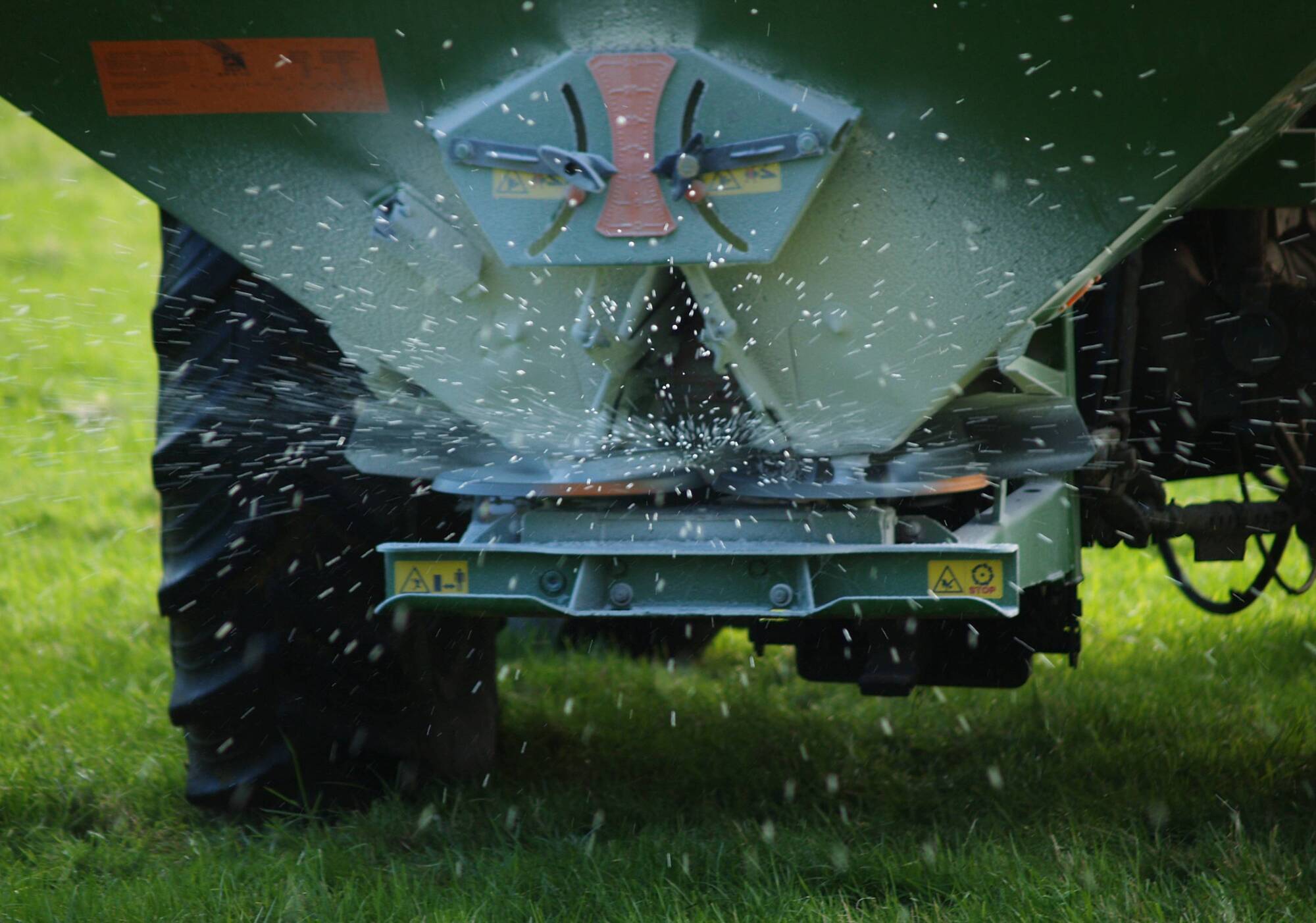
They include reducing nitrous oxide (22.8% of agriculture’s emissions), with a maximum usage target by 2030 of 300,000 tonnes of nitrogen fertiliser, the main source of nitrous oxide emissions. There has been substantial progress on this, with the use of chemical nitrogen down to about 343,000 tonnes. The 2025 target is 330,000 tonnes. Sales of chemical nitrogen fertiliser had peaked in 2018 at 408,000 tonnes. Rising prices in 2022 led to a decrease in sales of 14%. Official data suggest that volumes continued to fall in 2023, despite prices falling. The new climate plan calls for maintaining the reduction trend, through nutrient management practices, and using more low-emission fertiliser.
The risk of the rebound in chemical N use, if prices fall further, will have to be managed by continued farmer focus on using organic sources instead, and improving nitrogen use efficiency, supported by knowledge transfer programmes. Nitrates legislation on water quality is also putting pressure on sales.
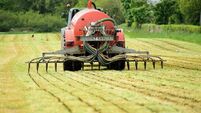
The Government supports more efficient and lower-emission nitrogen use through the establishment of multi-species swards and clovers, which add atmospheric nitrogen to soils, thus reducing chemical nitrogen requirements. There is also funding for low-emission slurry spreading and for the transition to organic farming.
Animal breeding for low methane is also seen as a key climate action. The new carbon sub-index was added to the dairy breeding index in November 2022, to help genetic selection for lower emission animals. To advance in this area, data collection is key. But individual milk yields are recorded in only half of the dairy herd, this must increase to 90% by the end of the decade.
The 2023 publication of the world’s first national genomic evaluations for methane emissions in Irish beef cattle will enable breeding programmes to reduce emissions.
Methane from cattle is 62.5% of Ireland’s agricultural emissions, a further 11% is attributed to cattle manure management.
Action on low-emission feed and fertiliser is also seen as key to the delivery of climate targets. Low-emission animal feed that includes ingredients such as lipids, methane inhibitors, halides (oxidising methane inhibitors) and lower protein content offers real promise, but food and feed safety will always come first.
In particular, a methane inhibitor that can reduce emissions significantly while animals are grazing outdoors will be key for emission reductions in the second carbon budget period. But these technologies are still in the early stages of research. Also being researched and developed are more low-emission fertiliser products. Replacement of calcium ammonium nitrate with inhibited urea, and using low-emission compound fertilisers with high ammonium rather than high nitrate, are required. There is also increasing potential for more efficient use of animal slurries, and for replacing chemical nitrogen with bio-fertilisers and with digestate from biomethane production.
A substantial increase in total cattle numbers took place between 2011 and 2017, in the form of dairy herd expansion. Numbers have been stabilising since then, with a reduction of 1% in 2022. For beef and dairy farmers who are encouraged to destock or exit, alternative land uses will be a key requirement. The diversification options could include organic farming, growing grass for biomethane, tillage, afforestation, lower-intensity grasslands, or water table management on drained organic soils.
Ireland’s target to increase organic farming nearly 150% by 2030 will play a key role to reduce fertiliser and pesticide use, and bring environmental benefits. The 150% increase would achieve 0.3 Mt of the planned 2021-2030 emissions reduction of 5.56–6.05 Mt of carbon dioxide equivalent. Attracting the average livestock farmer (stocking rate 1.2 LU/ha) to organics would reduce emissions even more. The Government’s budget allocation for organic farming increases from €13m in 2022 to €36m in 2023 and €57m for 2024. But up to 60% of organic lamb and 30% of organic beef are lost to the conventional sector, and options will be explored this year to prevent that leakage.
The Government has committed to delivering up to 5.7 TWh of indigenously produced biomethane. This renewable fuel will be essential for decarbonising other sectors of the economy, such as high-temperature industrial heat for manufacturing, but also with the clear objective of land diversification and income opportunities for farmers.
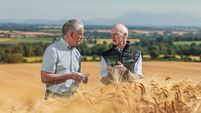
Because the tillage and horticulture sectors are the most carbon-efficient sectors of Irish agriculture, it is important they are increased. In 2023, there was a slight reduction in tillage crops, for which it was a challenging year. The target is to grow the tillage area sustainably to 400,000 hectares by 2030 (from 348,500 ha in 2022). This could include 40,000 ha of beans, incentivised by the increased Protein Aid budget, from €3m to €7m. Growing more home-grown proteins and cereals for feeding Irish livestock is a key objective.
The new forestry programme will help farmers to diversify and reduce emissions. But planting so far has been at only about a quarter of the Government’s target of 8,000 ha per year.
The government says sustainability must be combined with enhanced production, without impacting food availability and affordability. It notes that grazing livestock dominates Irish agriculture, and with 90% of production exported, maintaining and verifying Ireland’s reputation for high-quality and sustainably produced food is imperative.


Cancel anytime