Lice alert - a consequence of a longer housing period?
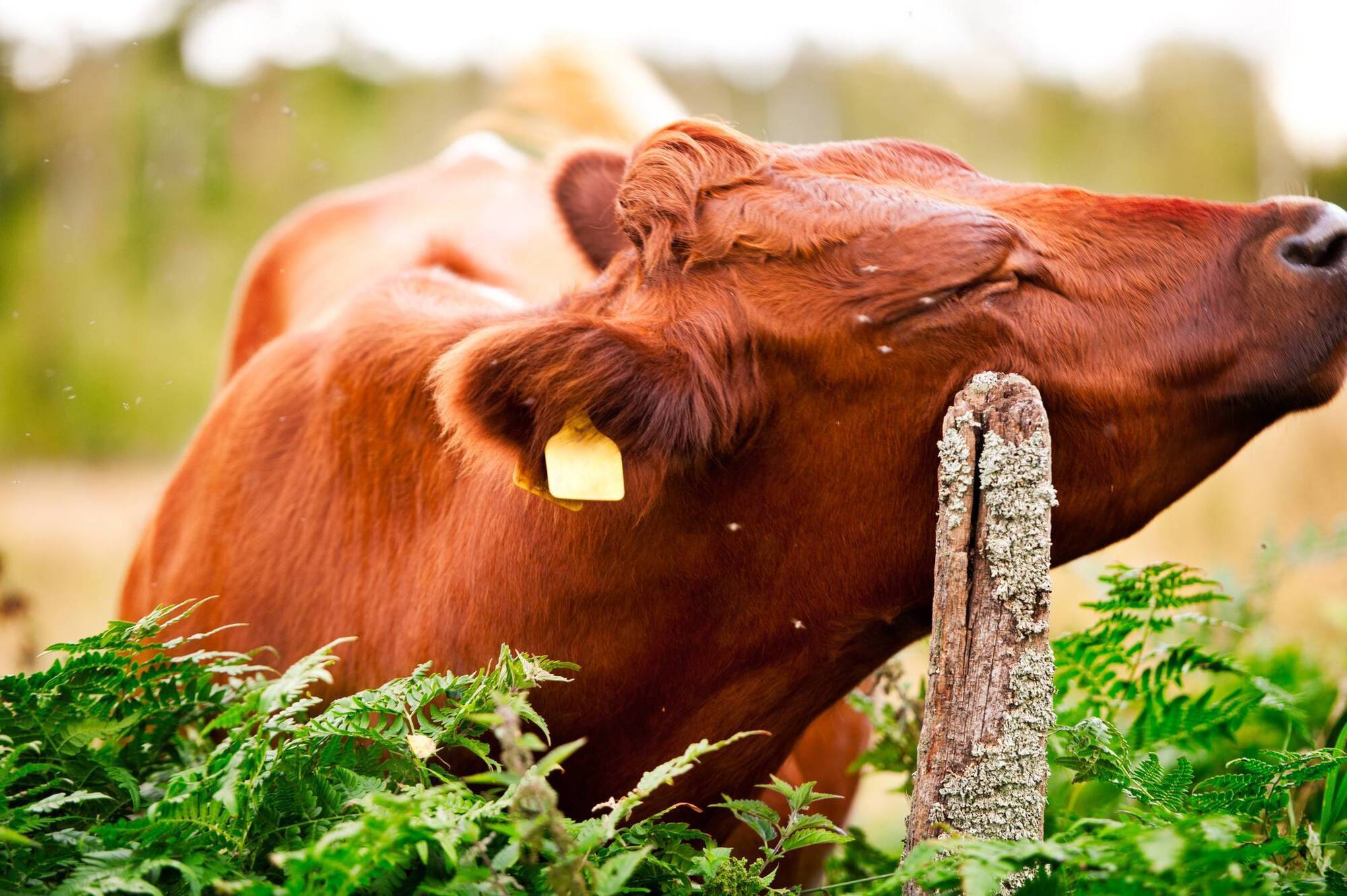
Cows excessively scratching themselves can be a sign of lice.
It’s that time of year when I tend to notice patches of hair loss on the cattle while I'm out testing. They may even delay going into the crush in exchange for a good scratch on the shed wall.
January is usually notorious when it comes to lice infestations, and even more so this year perhaps due to the increased housing time. So apologies in advance for the imminent scratching that this week's article may induce.
Just like when parents get the dreaded “nits alert" letter from the school, it is never a nice concept to think little creatures are crawling on our cattle’s skin.
They are visible to the naked eye so you can sometimes spy one scurrying out of sight - thankfully, cattle lice are host-specific and humans are not their cup of tea.
Two types of lice affect cattle: chewing lice that feed on the skin and hair, whereas suckling lice feed on blood by piercing through the skin. Areas of scaly skin, dull hair or hair loss in areas will be noted with an infestation and seeing animals scratching against areas in the shed. Suckling lice can cause anaemia due to excessive blood loss in a heavy infestation.
They can be told apart quite easily under a microscope as the chewing louse has a wide mouthpiece compared with the spear-shaped mouthpiece on the sucking louse, ideal for drinking blood.
Lice are associated with winter housing due to animals being in close contact with each other, having longer hair and the lack of direct sunlight. Immune system stressors such as overstocking, poor feed quality, late stage of pregnancy and other underlying health issues can increase the severity of a lice infestation.
Lice not only have a major welfare implication for cattle, but they also impact production due to subsequent weight loss and milk drop.
Treatment involves breaking the three-stage life cycle of the louse; egg, nymph and adult. Eggs (nits) are laid by the adult female on the hair shaft of the animal, they then hatch into nymphs which then undergo three further moults to become an adult louse.
This life cycle can take three to six weeks, taking place on the host animal as they don’t survive off the host for very long. They are fascinating creatures, really, in the fact that they are host-specific due to the ability of their legs to grasp certain hair types.
This week, we used a spot-on synthetic pyrethrin-based product which will kill the nymph and adult stages of both sucking and chewing lice on all animals in the yard.
Our story this year is that we noticed that our weanlings and heifers that had their pre-housing pour-on dose had no obvious signs of lice infestation.
The cows, on the other hand, were beginning to show signs of mild hair loss around the tail area and neck. They were given a lice-only product at housing, which covers for up to six to eight weeks, with the longer winter housing period this year we needed to repeat the dose. The cows are in late pregnancy now, which can increase susceptibility to a lice infection. As with any type of pour-on dosing, make sure to do it on a dry day, always administer the required dose per weight of the animal and adhere to withdrawals. It is important to treat all the in-contact animals at the same time.
Targeted lice products are best to use at this time of year to reduce the unnecessary use of anti-parasitic. Going back to the basics of farming, using appropriate stocking rates, supplying good quality feed and early treatment of disease will all help to prevent lice infections on the farm. Discuss with your vet the best protocol for lice prevention and treatment that will work best on your farm this winter.
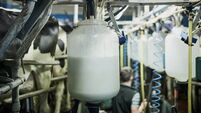
That is enough lice talk for one day and now a welcomed break from phantom head scratching. My five early heifers that have calved are naturals in the parlour, no teenage tantrums to report just yet. It is a joy to have some baby calves on the ground, a novelty still until perhaps the middle of February when the shed begins to fill and sleep begins to diminish. Back in Mitchelstown this week, enjoying the beautiful snow-capped Galtees from all angles.
- Hazell Mullins BVM BVS, is a large animal vet based in Carrignavar, Co Cork.