Grass silage quality - how does 2023 fare?
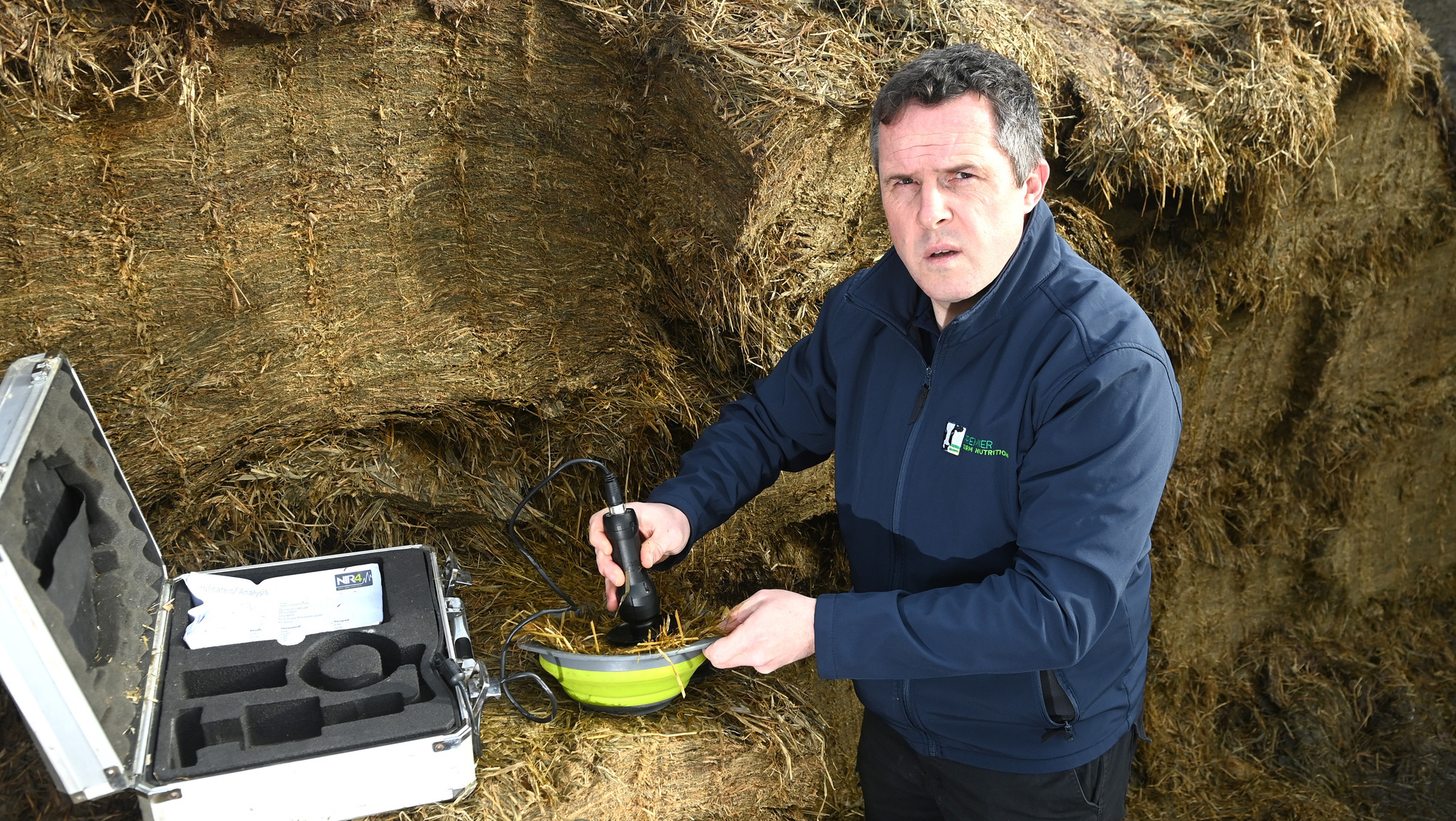
Many 2023 second-cut silages are very dry and will require careful management at feed-out, writes ruminant nutritionist Brian Reidy.
Ruminant nutritionist Brian Reidy has been testing silage samples across the country. Picture; Eddie O'Hare

Ruminant nutritionist Brian Reidy has been testing silage samples across the country. Picture; Eddie O'Hare

Silage Pits and Bales are being opened all around the country as the recent weather is making housing necessary to avoid damaging paddocks and, more importantly, maintain intakes and animal performance. 

Even if you have plenty of grass still to graze, stock will be better off in until conditions are more suitable to get it grazed off. 

For dairy herds, housing by night will support performance better and allow cows to go out day for a few hours, at least, well into the winter if conditions allow. 

For growing cattle for beef or breeding, these are not consuming enough grass at this stage in the year with the current conditions. Supplementation or housing are now required to maintain target weight gains and growth.

2023 grass silages

As usual, grass silage quality varies greatly around the country. The feed value of this year’s silage has been significantly influenced by the weather, early May first-cuts are excellent, late May and early June cuts are average, and many second-cuts are bordering on being too dry and not great quality. 

In general, Dry Matter Digestibility (DMD) figures are between 65 and 70 for first-cuts, with some early cuts closer to 75. Second-cuts are below 60 DMD in some yards. 

Many first cuts are very low in protein as the crops either didn’t get enough nitrogen or, in many cases, the growing conditions were poor, meaning much of the Nitrogen was still in the ground at cutting.

Feed value of grass silages

Firstly it is very important that your silage gets to the lab as fresh as possible for the most accurate result. 

I continue to use my mobile NIR for analysing silages on the spot for customers, and it really has helped to advise while standing in front of a pit or bale with instant, reliable results.

The sample is fresh and a fair representative sample of the available forage, which means more accurate diet recommendations can be given in real-time.

When you get your silage results, what figures do you look for?

Most immediately look for the DMD, but there are more important figures to look for as this is not an analysed figure but a factor of several other characteristics of the silage being analysed.

The pH of silage is the main indicator of preservation and should, for good preservation between 3.8 and 4.2; drier silages will be higher in pH but can still be stable.

The Dry Matter of your silage determines the amount of fresh feed that animals can consume. Many 2023 second-cut silages are very dry and will require careful management at feed-out.

      The use of a shear grab will be a big help to reduce the surface area of the pit face.

      The potential for mycotoxin problems in this material is significant. High ash results will be an indicator. Take action quickly if you see animal health or performance issues.

Metabolic Energy (ME) and UFL are an indication of the energy that will be available to your animals per kilo of Dry Matter consumed. Energy is what produces meat and milk in ruminants.

    Protein is essential for healthy, productive animals, and it is essential to encourage good appetite.

    There is a big variation in silage protein this year, with some as high as 20%, but most are in the 10-13% range.

      Extra protein supplementation will be needed at low percentages to maintain animal performance.

There has been a trend over the last few years for silages to have higher than desired Ash contents. This is entirely down to field management before, during and at harvest. 

Mowers too tight to the ground, silage fields not rolled, tedders and rakes scratching clay and stones off the ground, all of these contribute to excess ash in silages and contribute to poor preservation, spoilage and poor intakes.

  • Brian Reidy is an independent ruminant nutritionist at Premier Farm Nutrition.
x

More in this section

Farming

Newsletter

Stay ahead of the season. Sign up for insights, expert advice and stories shaping Irish agriculture.

Cookie Policy Privacy Policy Brand Safety FAQ Help Contact Us Terms and Conditions

© Examiner Echo Group Limited