Kieran Coughlan: Budget scraps for farmers or a real change of policy?
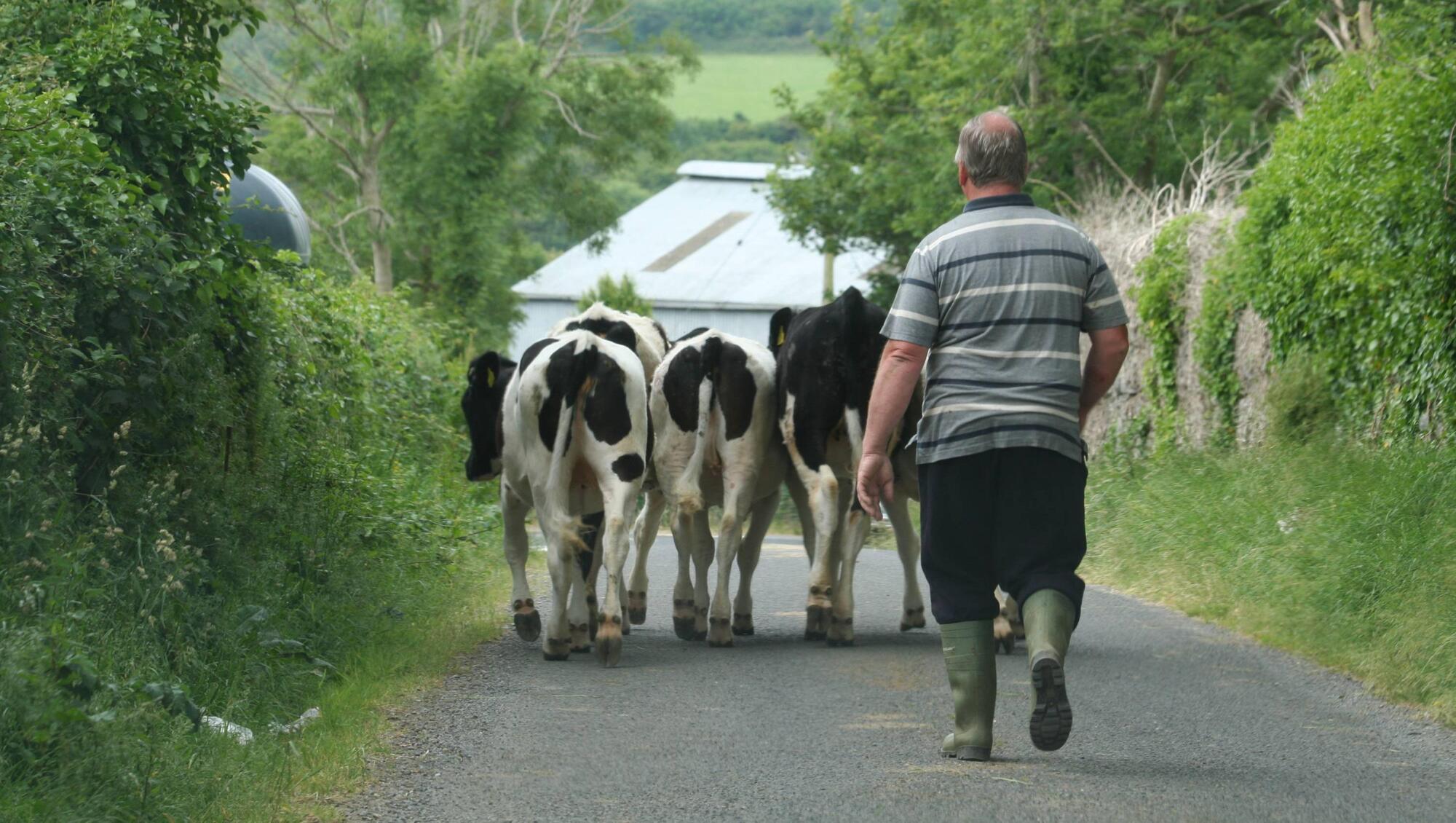
It’s clear it won’t be a giveaway budget in respect of any noticeable difference that will be felt in the payslips or yearly tax return
Kieran Coughlan: Budget scraps for farmers or a real change of policy?

For farmers, the three biggest inputs are feed, fertiliser and fuel.

Helping farmers is less about the scraps thrown out at budget time and more about the overall policy. With just days to go, the Department of Finance will be considering options ahead of this year's budget

The Government parties have already framed the pot as being about €1bn in tax measures and about €5bn in spending measures. 

The tax package is proportionally small compared to how previous budgets have been split, and even the total tax package is also proportionally small compared to previous years. 

It’s clear it won’t be a giveaway budget in respect of any noticeable difference that will be felt in the payslips or yearly tax return for the self-employed. 

Nonetheless, there is always an opportunity to tweak the system. Last year, a generous uplift to the lower rate tax bands soaked up the majority of the tax pot and it seems this year there will also be movement in this direction. 

Unfortunately for farmers and other self-employed persons, that won’t be felt until next year. For farmers, the main issues on the table are the squeeze on profitability margins being experienced on farms and the disruption that regulation will bring about to their businesses, which ultimately will also have a bearing on profitability in the coming years. 

For farmers, the three biggest inputs are feed, fertiliser and fuel. Both feed and fertiliser have seen some moderation in prices, albeit the prices for all three inputs are well ahead of their 10-year long-term averages when excluding the spike coinciding with the outbreak of the war in Ukraine

Farm gate prices falling

Farm gate prices seem to be falling back towards long-term averages at a quicker pace than costs are dropping, especially for tillage and dairy

Fuel in the form of diesel, kerosene and electricity costs remain stubbornly high. Already we know agricultural diesel prices are set to increase again as a result of additional carbon tax, which is set to increase every year towards 2030. The current price of diesel is already well above the long-term average and heading north of €1.20 per litre. 

The expected ban on diesel from Russia is expected to put further pressure on fuel costs. An unwinding of the reduced excise levies applicable to green diesel has also added 2c to the price of green diesel since the start of the summer. 

Pre-budget submission

The IFA has made its pre-budget submission and is seeking an extension of the double deduction for carbon tax which applies to farmers using green diesel to agricultural contractors. 

While there is some movement by many of the electricity suppliers in Ireland to reduce prices, the prices being paid by farmers are a multiple of what existed in recent years. 

The Government's temporary business energy support scheme offered some reprieve for hard-pressed businesses, but this scheme is now closed. 

Many farmers are currently paying 44 cents per KW for electricity up from 18c per KW in 2021 and 24 cents per KW before the invasion of Ukraine, meaning electricity prices remain at double normal levels. 

On interest levels, many farmers availed of SBCI schemes which offered attractive interest rates and non secured lending such as the Brexit Impact Loan Scheme. 

Here too, farmers are getting hit with a massive uplift in interest rates where loans are pegged to the underlying ECB rates. 

Squeeze on farmers severe

The squeeze on farmers is severe and the Government parties will need to make a big effort towards addressing the issues farmers are facing if they hope to be rewarded with any rural votes in the next election. 

The undermining of farm profitability globally will without doubt lead to future food inflation as a result of producers exiting, limiting production due to cashflow issues or reducing investment in their businesses as a result of a lack of confidence. 

The budget can deliver funding for schemes to support farmers in the short term, can reintroduce business energy support schemes and defer tax collection under the covid deferral scheme. 

Adequate profitability for farmers on a year-on-year basis without the dramatic swings is what most farmers would hope for. This can’t be delivered in any budget but is delivered through a mix of domestic and international policy. 

Land leasing exemptions could be adjusted to only apply where 10% of the land is planted in forestry or where the land forms part of a holding qualifying for the eco-scheme payments. Farmers could be given the freedom to claim capital allowances at a pace of their choosing. 

Whether those pulling the levers of power will make brave decisions in the space will be revealed next week.

More in this section

Farming

Newsletter

Stay ahead of the season. Sign up for insights, expert advice and stories shaping Irish agriculture.

Cookie Policy Privacy Policy Brand Safety FAQ Help Contact Us Terms and Conditions

© Examiner Echo Group Limited