Ploughing Championship: Spotlight on protection of bee population
About 50% of humankind’s diet is sourced directly or indirectly from crops pollinated by bees
Ploughing Championship: Spotlight on protection of bee population

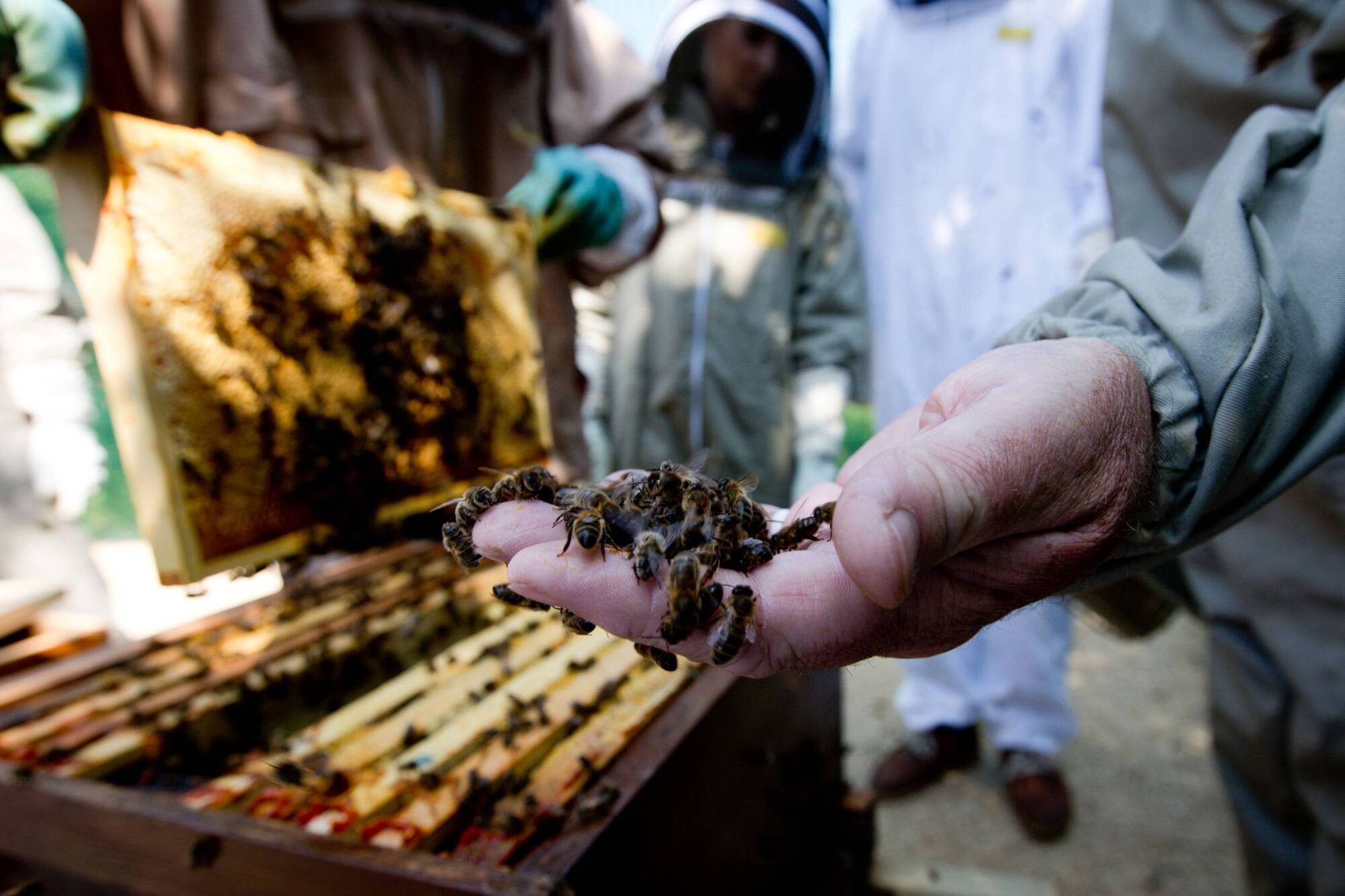
One of the thriving hives at the apiaries at the University of Limerick, one of many new centres where beekeepers are working to reverse the national decline in numbers of honey bees. Picture: Sean Curtin / FusionShooters
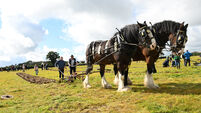
Ratheniska will be buzzing next week — and not just because of the hustle and bustle of the ploughing championships.

It will be also due to the exhibits of beekeepers, honey producers and related stakeholders, which have been popular features at the event over many years.

Bee and pollinator populations are currently under threat from changes in land use and agricultural practices which have greatly reduced their food resources and access to nesting sites.

The fact that about 50% of mankind’s diet is sourced directly or indirectly from crops pollinated by bees is likely to be highlighted at various exhibits during the week.

Stakeholders have repeatedly called for an end to the importation of non-native honeybees on the grounds that it potentially threatens the island’s bee species.

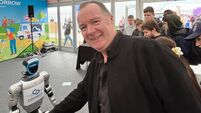
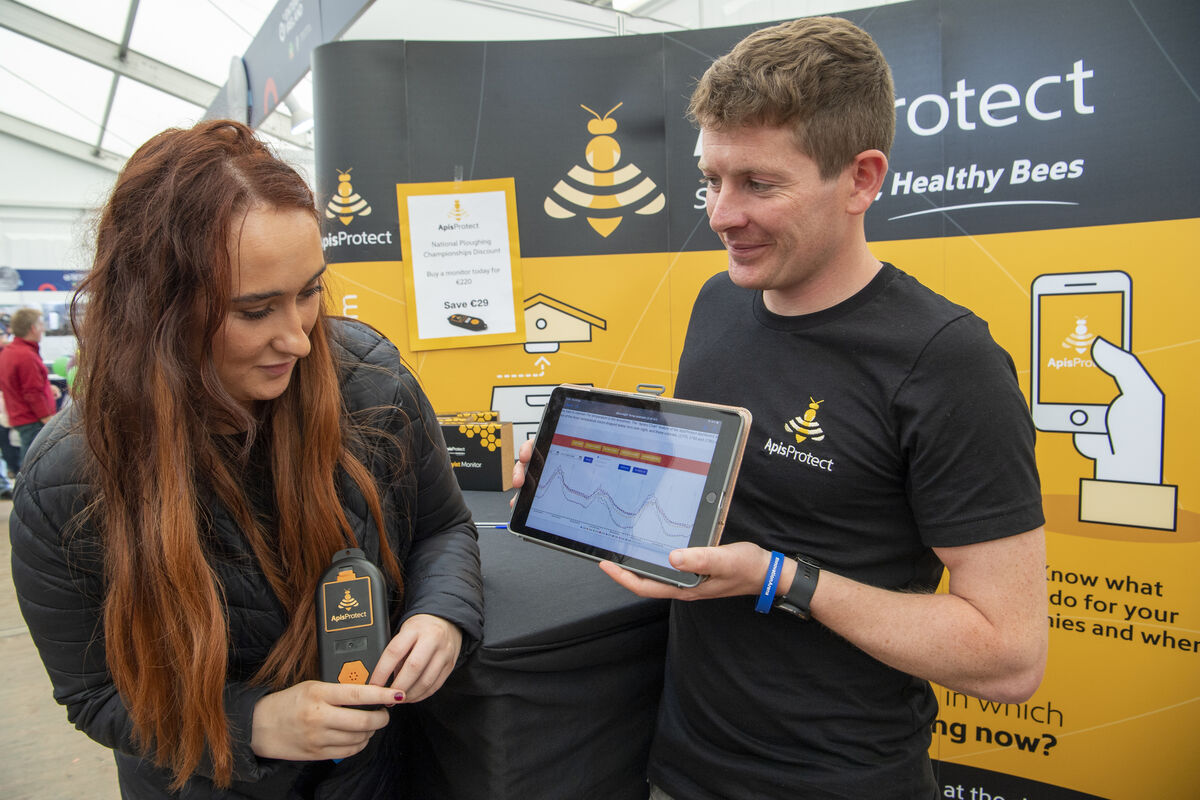
Chloe O'Connor, Cork, and Eoghan Stanton, Galway, of Apis Protect showing a monitor for science-driven healthy bees in the Innovation Ireland stand at the 2022 National Ploughing Championships, Ratheniska, Co Laois. Picture:  Dan Linehan

They have urged members to purchase native local bees from reputable beekeepers and consumers to support Irish honey producers.

And they are likely to do so again at the ploughing championships where their stands always attract a lot of public interest.

Agriculture Minister Charlie McConalogue, speaking in the Dail in May, said pollinating insects such as bees are vital for protecting biodiversity and the landscape, and regulating the natural environment.

He said the Department is making considerable efforts to make Ireland more pollinator-friendly and to support the conservation, study and improvement of the native Irish honeybee, which is under threat from disease and cross-breeding.

“We have successfully installed three hives of native Irish honeybees on the roof of Agriculture House on Kildare Street [Dublin] and host three hives in the Department apiary located at Johnstown Castle [Wexford], he said.

The Minister, replying to Social Democrats leader Holly Cairns, TD, said the Department provides support via grants to assist bee-keeping associations with the conservation of the native Irish honeybee.

In addition, the Investment Aid Scheme for the development of the commercial horticulture sector provides a mechanism for individual beekeepers to avail of funding to help them purchase tangible assets for their enterprise.

In relation to the farms managed and operated by the Department, measures have been implemented that are bird, bat and bee and biodiversity-friendly.

This is in line with best practice and initiatives such as the All-Ireland Pollinator Plan. It includes the placement of beehives, bird and bat boxes at its farm at Backweston, Co Kildare.

Minister of State Pippa Hackett, speaking during a recent visit to the farm of Ken Gill in Clonbullogue, Co Offaly, said protecting bees and other pollinators, particularly through evidence-based agricultural production practices, is important.

“In Ireland, one one-third of our wild bee species are threatened with extinction and Bumblebee populations show a worrying year-on-year decline of 4.1% since 2012,” she said.

x

More in this section

Farming

Newsletter

Keep up-to-date with all the latest developments in Farming with our weekly newsletter.

Cookie Policy Privacy Policy Brand Safety FAQ Help Contact Us Terms and Conditions

© Examiner Echo Group Limited