Audit sought of current carbon sequestration of agricultural land
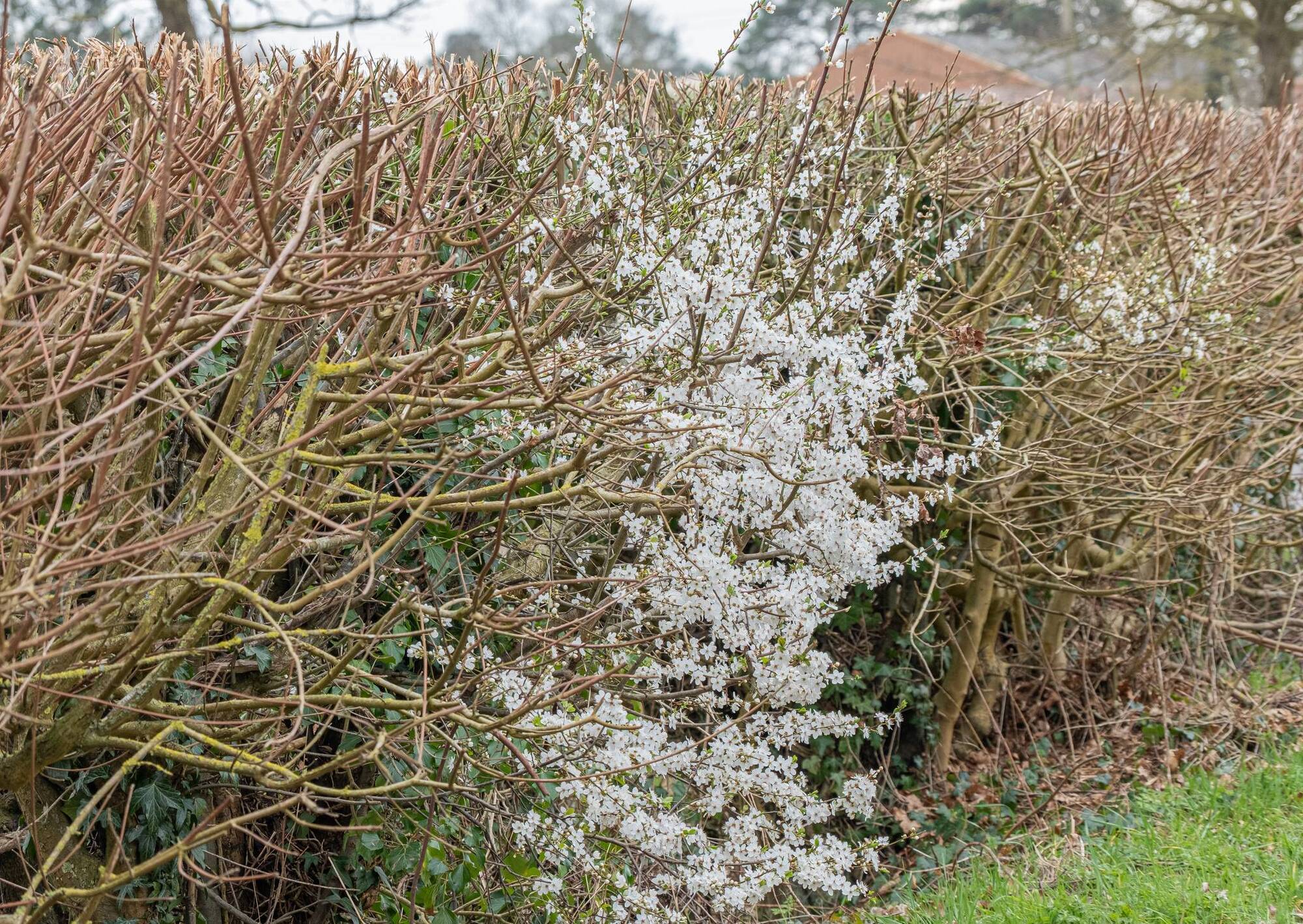
'The lowly, common hawthorn can support more than 200 insect species. That alone is something that should be acknowledged.'
Crazy debates, some of which involved bullying, took place over the summer with regard to carbon budgets for agriculture, a politician has claimed.
Senator Erin McGreehan said the narrative by some media and elected representatives around the conversation shows a level of misunderstanding by the majority of Irish agriculture.
And, as a result, it often threatens and downgrades the sector, she said, stressing that such a narrative can be very difficult for farming families.
Speaking in the Senate, she said many people in the agri-sector struggle to make ends meet. While trying to keep farms going, they are hearing that they need to cut emissions.
“They agree with that, but they feel taken advantage of because farm holdings big and small are the carbon sink of the nation and there is no acknowledgement of this by the State.
“Trees, grass, soil, and even sheep's wool sequester carbon.
“The lowly, common hawthorn can support more than 200 insect species. That alone is something that should be acknowledged,” she said.
Senator McGreehan sought an update on Department of Agriculture, Food and Marine (DAFM) actions to audit and calculate the current carbon sequestration of agricultural land and farm holdings.
“We are entering an era that could be an exciting time for farmers. We could be empowering our farmers and we could be giving them control in working towards net-zero agriculture.
“We could also be allowing them to send energy from solar panels back onto the grid.
“There are acres of roof space across the country, but for some bureaucratic lack of will they are denied the ability to do this.
“I passionately believe the science will back me up when I say that many of our farmers are actually farming at net zero,” she said.
Senator McGreehan said accurately measuring on-farm carbon emissions and carbon sequestration will create a new value for farmers.
“Knowledge is power, and it is vital that we empower this industry to understand the baselines and to drive improvements in its efforts to mitigate climate change,” she said.
Senator McGreehan urged relevant Government Departments (Agriculture and Climate Change) and the Environment Protection Agency to work together to ensure farmers know what they are emitting, what they are sequestering and what they have to do to reduce that balance.
Minister of State Malcolm Noonan said DAFM is undertaking many projects and work that will benefit the improved reporting of the land use, land use change and forestry inventory.
“In Ireland, due to a temperate climate and to the prevalence of sustainable farming and forestry practices, we are fortunate to have a wide range of high-quality soils with stable reserves of soil carbon.
The many beneficial roles of soil carbon are well known. It increases resistance to soil erosion and improves water retention and fertility while also acting as a reservoir for biodiversity.
“These are all essential ecosystem services that we rely on for our overall health and wellbeing. We are looking at the co-benefits of carbon, soil, and water quality,” he said.
Minister Noonan said the DAFM has provided funding for the formation of a nationwide network of best practice demonstration and research farms under the Teagasc SignPost programme.
This will allow farmers to view novel approaches to carbon sequestration activities such as multi-species swards, liming, clover incorporation and improved fertiliser management.
It will involve accurate measurement and baseline setting to allow continuous monitoring and verification. However, carbon sequestration is only one small part of the overall approach.