Ireland secures a three-year extension to its nitrates derogation
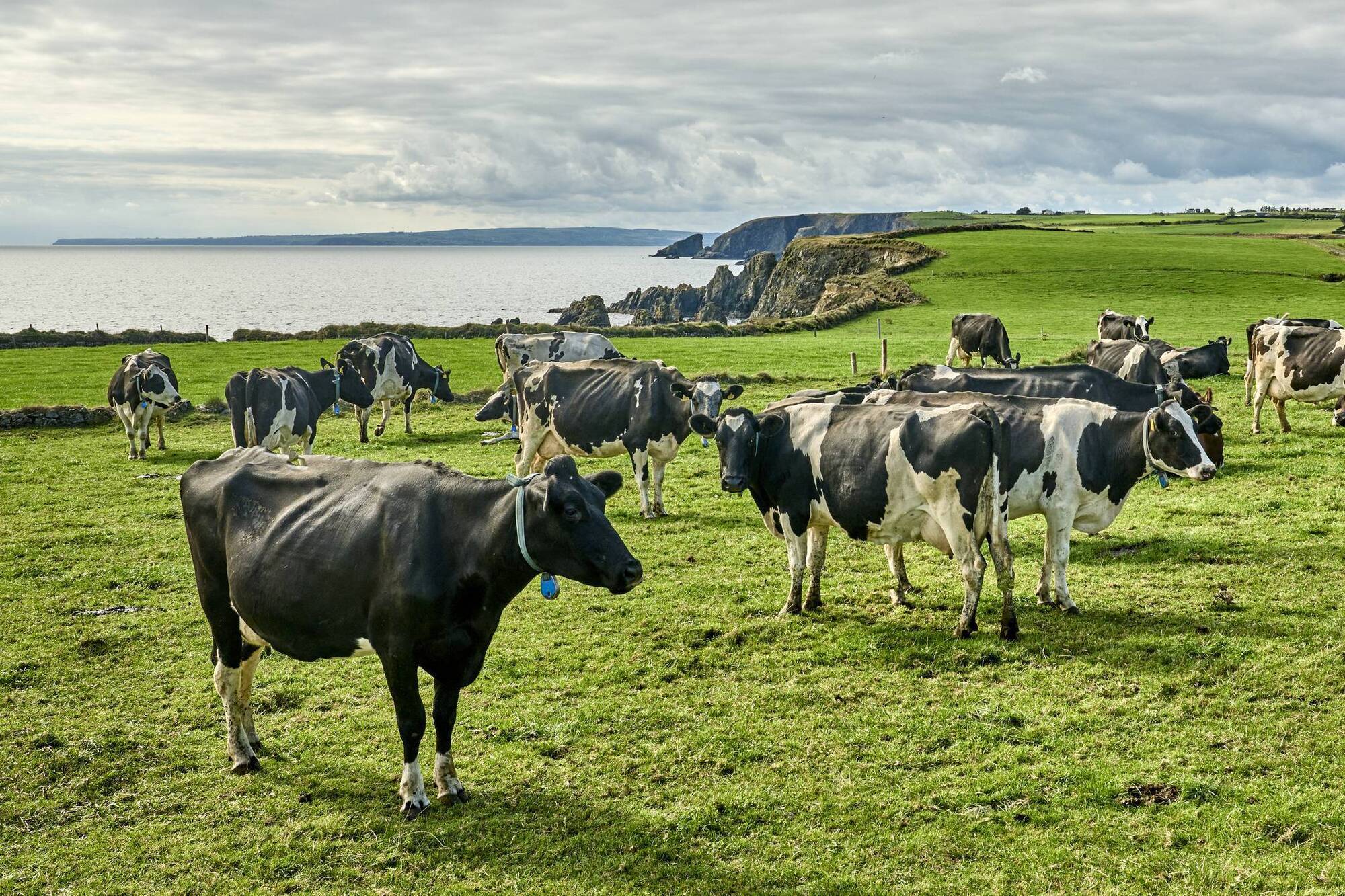
'Ireland’s request was based on the scientific criteria, which align with Ireland’s grass-based, outdoor production model.'
Ireland has secured the continued availability of the Nitrates Derogation with the European Union approving a three-year extension.
Following an extensive push by Ireland, the agreement means thousands of Irish farmers can continue to use more fertiliser than their European counterparts, arguing that progress has been made to improve water quality in rivers and that our grass-based dairy system is more beneficial.
The decision sets out the conditions under which Ireland must operate for the derogation. This includes the need to demonstrate enhanced compliance with the Habitats Directive, along with several additional requirements from 2028 for derogation farmers in Ireland’s four catchments with the greatest gap to target in terms of nitrogen load reduction, the Slaney, Barrow, Nore and Blackwater catchments.
Minister for Agriculture, Food and the Marine, Martin Heydon said Ireland’s request was based on the scientific criteria which align with Ireland’s grass-based, outdoor production model. "Today’s vote marks the success of that part of the process. We now begin the next stage, commencing the work of addressing the key conditionality within the derogation decision”.
IFA President Francie Gorman said the vote in Brussels recognises our grass-based system and comes after a concerted campaign across the sector to convince the EU Commission that the focus on water quality is bringing about improvements.
“This outcome is not an ‘opt out’ from the Nitrates Directive as some like to portray it. Higher stocking rates are provided for under Annex 3 of the EU Nitrates Directive and those who apply annually for permission to operate at higher stocking rates will have to implement many additional measures,” he said.
The President of ICMSA, Denis Drennan, welcomed the decision as a sensible and proper recognition of our unique grass-based system.
“From a farmer perspective, the very strong focus of farmers on improving water quality needs to be maintained and accelerated. Farmers have made huge strides and investments in this area over the last number of years and this needs to be continued. ICMSA firmly believes that farmers will continue to play their part”, said Mr Drennan.