Public to have their say on Garda body-worn cameras ahead of national roll-out
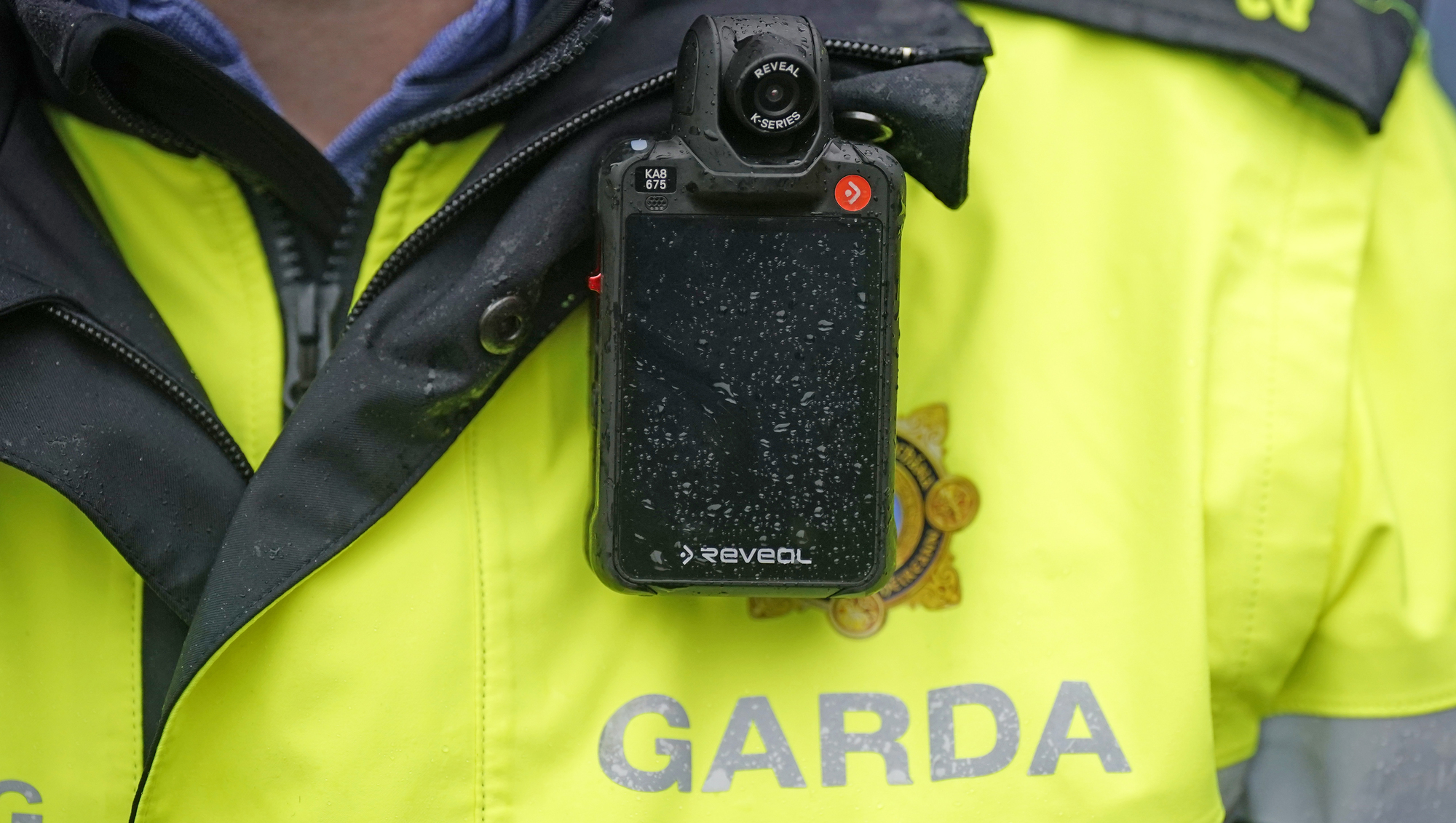
Gardaí say the devices can help with preventing, investigating, detecting and prosecuting criminal offences, although concerns have been raised around issues such as privacy.
The code of practice for members of An Garda Síochána using body-worn cameras has been put out to public consultation ahead of their roll-out countrywide.
The technology, which has been trialled in five Garda station since 2024, sees video and audio-recording devices attached to a garda’s clothing, which the garda must actively switch on to retain footage.
Gardaí say the devices can help with preventing, investigating, detecting and prosecuting criminal offences, although concerns have been raised around issues such as privacy, data protection, and the potential use of the cameras with facial recognition technology in future.
Having first been put into use in Store Street, Pearse Street and Kevin Street stations in Dublin, Henry Street in Limerick City and Waterford Garda Station, the gardaí have put in place a programme team to accelerate the national roll-out of the cameras, along with an updated draft code of practice.
As part of the code of practice, it sets out exactly when the cameras can be used and when they can not.
It said the Garda Commissioner would only consider certain situations as requiring the mandatory use of body-worn cameras.
This includes incidents which “protect and uphold the integrity of members of An Garda Síochána, allow for the gathering of evidence required for potential proceedings, involve the use or potential use of force, [and] involve incidents of serious public disorder”.
Also, the body camera use would be mandated to protect the integrity of criminal proceedings due to the duty of gardaí to seek or preserve and retain any evidence relating to the guilt or innocence of the accused.
The code of practice said the commissioner “may add to, or remove from, the list” as operation demands dictate.
It specified such devices may not be operated to make a covert recording, within court premises, for the interviews of individuals in custody suites, during an intimate or strip search, or to record Garda work practices.
Gardaí added engagement with relevant Government departments will take place alongside the public consultation.
“Exact timelines on the roll-out of body cameras are dependent on financial approval and completion of the procurement process,” a statement said.
Last year, the now-former Garda commissioner admitted the body-worn camera system was open to potential abuse by rogue gardaí.
Drew Harris also warned Garda members they would face dismissal from the force, and potential criminal prosecution, if they were found to have shared or leaked footage of incidents captured on Garda body-worn cameras.
In a warning to gardaí, Mr Harris said: “An investigating member obviously has to review the footage in terms of [preparing] a file, so if somebody really wants to act outside our rules and instructions and indeed our discipline code, then on their head be it.”
However, Mr Harris added the trial of the cameras had been very effective in managing serious disorder in Coolock, North Dublin, during anti-immigration protests.
The deadline for submissions to the public consultation is January 13.


CONNECT WITH US TODAY



Be the first to know the latest news and updates