Further pressure piled on pig industry
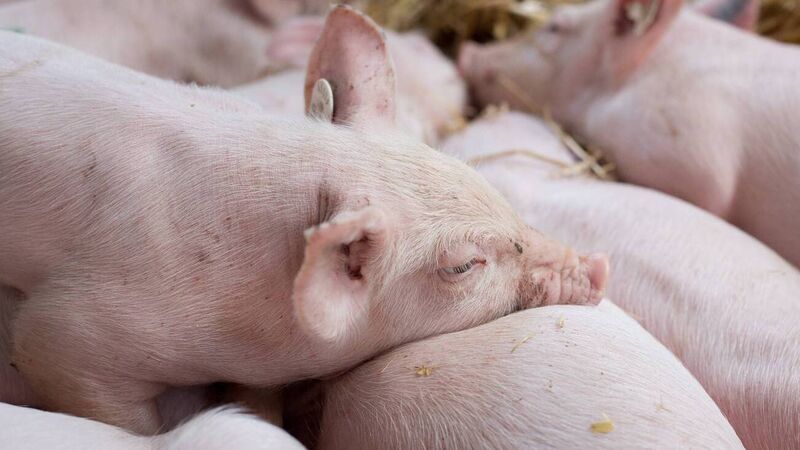
The average 600-sow unit in Ireland is forecast to lose about €45,000 for the month of June. Picture: iStock
The EU's pork industry is predicted to shrink by 6%-8%, as increased costs for farmers and processors come up against a slump in exports to China and declining consumer confidence worldwide.
In Ireland, 10% of pig farmers have already exited the sector in recent months, with a further 20% at risk of leaving, according to a report by the PwC professional services firm, commissioned by the Co Longford-based Kiernan Milling.
An EU pig oversupply in the second half of last year, and the resultant lower prices for pigs, put pressure on farm profitability, while increased labour, energy, and freight costs weighed on processors' profit margins, according to Rabobank, the multinational banking group focused on the food and agri sector.
Its animal protein analyst, Eva Gocsik, said the margin squeeze in the pork industry has worsened since Russia invaded Ukraine.
Ms Gocsik said margin pressure would persist over the next six months, and the next few years would be challenging for many in the pork supply chain, as the market attempts to rebalance production and consumption.
Last week, Agriculture Minister Charlie McConalogue opened a second Pig Exceptional Payment Scheme, with €13m of EU funding, offering up to €100,000 per farmer, to support the viability of the sector. Applications will close on July 11.
An earlier Irish-funded Pig Exceptional Payment Scheme of up to €7m, offered up to €20,000 per farmer. Applications closed on March 20.
However, Eva Gocsik of Rabobank warned that Government interventions and market subsidies for pig farming can have adverse effects, "as these can lead to farms that are less economically viable remaining in the market, causing pressure on margins to persist only longer".
She predicted EU feed commodity prices will remain elevated into mid-2023, keeping the cost of this key pig production input high for pig farmers.
One of the main reasons for the EU pig industry's slump compared to 2020 is that China’s pork imports slumped from record-high levels.
The total EU27 plus UK pork production had already shrunk by 2.5% by February. However, on the demand side, exports were down by 30%, with volumes to China having declined by 60%.
For market balance, the loss of exports will require EU pork production to shrink by 6% compared to 2021, said Ms Gocsik. However, that would require pork consumption by EU consumers to hold up.
Instead, Rabobank is predicting the EU27 and UK consumers will eat at least 2% less pork this year. If that happens, pork production needs to decline by 8%, for market balance.
With inflation hitting a record level of 7.4% in April in the eurozone, and interest rates rising, consumers may cut spending, by buying cheaper cuts, or shifting to chicken, which is usually cheaper than pork.
The IFA said last week the average 600-sow unit in Ireland is forecast to lose about €45,000 for the month of June.
Recent pig prices were running 5% higher than 12 months previously, and about 12c/kg behind the EU average price.