Almost €1m raised to trial and scale zinc oxide alternative for pigs
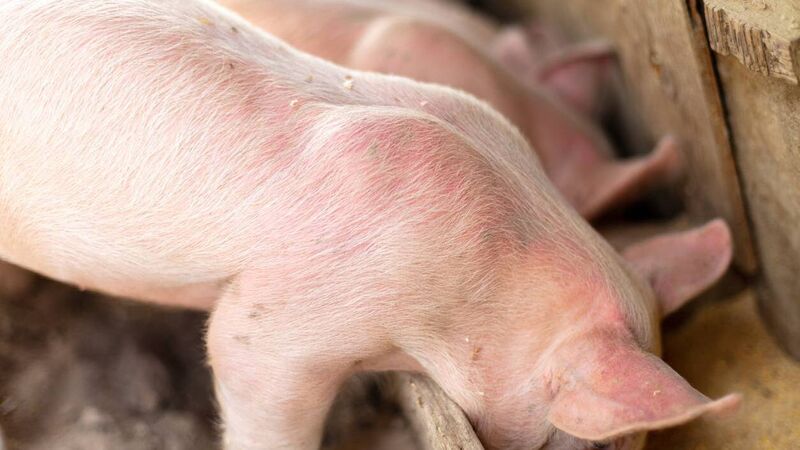
Zinc oxide is due to be banned in Europe from June 2022, with the lack of any effective replacement previously expected to cost EU pig producers as much as €1bn a year in lost production.
Almost €1m (£800,000) has been raised to scale and trial a potential alternative zinc oxide for the pig industry.
Zinc oxide is due to be banned in Europe from June 2022, with the lack of any effective replacement previously expected to cost EU pig producers as much as €1bn a year in lost production.
However, Belfast-based firm Aramune Technologies raised the new equity funding to develop an industrial-scale process to manufacture its first product which could help tackle antimicrobial resistance, while maintaining current production levels.
The Queen’s University Belfast spin-out is developing natural, plant-derived feed materials which can be mixed with standard animal feeds to replace antimicrobial agents and promote growth.

Their venture is supported by a syndicate of investors which includes QUBIS, which is the commercialisation arm of Queen’s University, Co-Fund NI (managed by Clarendon Fund Managers), the QUBIS Innovation Fund (managed by Sapphire Capital Partners) and a local private investor.
The active compound, which is also called Aramune, is designed to be mixed with standard animal feeds to replace zinc oxide and other antimicrobials.
After extraction from the source plant, Aramune takes the form of a fibrous plant material which when added to its regular diet will modulate (rebalance) an animal’s immune system, improve its gut microbiome, and help them resist harmful gut bacteria that might cause ill health and compromise performance.
The equity raised will enable the business to field cultivate their source plants, industrially scale their compound extraction procedures and undertake more commercial trials.
Trials have been carried out on its effects on mice and piglets, with an early piglet trial, conducted in collaboration with a large commercial feed producer, showing the performance of treated piglets was not dissimilar from those treated with the antimicrobial agent zinc oxide.
Further pre-market piglet trials are planned to determine the optimal feed inclusion rate of commercially-optimised Aramune, with additional studies planned in collaboration with commercial partners to study its effect in the diets of pigs, poultry, farmed fish, crustacea and companion animals.
Brian Green, Chief Scientific Officer of Aramune Technologies, said: “This investment is a vote of confidence in the commercial potential of our research, and it follows on from Aramune’s recent successes."
In 2021 the firm won £300,000 of funding from Innovate UK and was the regional winner of the InterTradeIreland Seedcorn investor readiness competition.